
Children experience a wide range of emotions from an early age, but understanding and managing them is a skill that develops over time. Play is one of the most effective ways to help children recognize, express, and regulate their emotions. Through different types of play, children can explore feelings in a safe environment, practice social interactions, and develop essential emotional intelligence.
In this article, we will explore how play supports emotional development, the different types of play that help children process emotions, and practical ways parents and educators can encourage emotional growth through play.
—
The Role of Play in Emotional Development
Play is more than just entertainment—it is a vital tool for learning and personal growth. When children engage in play, they experiment with different roles, scenarios, and emotional responses, which helps them understand their feelings and those of others.
Through play, children can:
Identify and name emotions
Learn to express feelings in a healthy way
Develop empathy and perspective-taking
Build coping strategies for difficult emotions
Strengthen their ability to self-regulate and manage stress
These skills are crucial for long-term emotional well-being and success in social relationships.
—
Types of Play That Support Emotional Recognition and Regulation
Different forms of play offer unique opportunities for emotional learning. Here are some of the most effective types of play that help children recognize and manage emotions:
1. Role-Playing and Pretend Play
Pretend play allows children to step into different roles and explore emotions in a safe, imaginative way. By acting out real-life or fantasy scenarios, children can process their own feelings and practice responding to emotions in others.
For example:
Playing “family” can help children express emotions related to relationships and communication.
Acting as a doctor or teacher can help children practice empathy and problem-solving.
Creating imaginary scenarios with dolls, stuffed animals, or action figures can provide a space for children to work through fears or frustrations.
Encouraging pretend play with costumes, props, and storytelling can help children express their emotions more freely.
2. Art and Creative Play
Drawing, painting, sculpting, and other creative activities allow children to express emotions they may not yet have words for. Art provides a nonverbal way for children to process feelings, whether it’s happiness, sadness, frustration, or excitement.
Encouraging children to:
Draw a picture of how they feel
Use colors to represent different emotions
Create a “feelings journal” with drawings and stories
This kind of self-expression can help children better understand their emotions and develop a sense of control over their inner world.
3. Storytelling and Books
Stories offer a powerful way to help children recognize emotions in themselves and others. Reading books about emotions and discussing the characters’ feelings can help children develop emotional vocabulary and empathy.
When reading together, parents and educators can ask:
“How do you think the character feels in this situation?”
“What would you do if you were in their place?”
“Have you ever felt the same way?”
This encourages children to reflect on their own emotions and think about how others experience feelings differently.
4. Physical Play and Movement-Based Activities
Active play, such as running, dancing, or playing sports, helps children release pent-up emotions and learn to regulate their energy levels. Movement-based activities can be particularly beneficial for managing stress, frustration, or anxiety.
Examples include:
Playing tag or running games to release excess energy
Practicing yoga or mindfulness exercises to promote relaxation
Engaging in dance or music-based activities to express emotions physically
These activities help children connect their emotions with their physical experiences, teaching them how to calm themselves when needed.
5. Social Play and Cooperative Games
Playing with others is one of the best ways for children to learn emotional regulation. Through social play, they practice taking turns, managing frustration, resolving conflicts, and understanding different perspectives.
Board games, team sports, and group activities encourage:
Patience and waiting for a turn
Dealing with winning and losing gracefully
Understanding and respecting others’ feelings
By engaging in cooperative play, children learn how to manage their emotions in social settings, preparing them for real-life interactions.
—
How Parents and Educators Can Encourage Emotional Learning Through Play
While play naturally helps children process emotions, adults can enhance this learning by being intentional and supportive. Here are some practical ways to foster emotional development through play:
1. Provide Open-Ended Play Opportunities
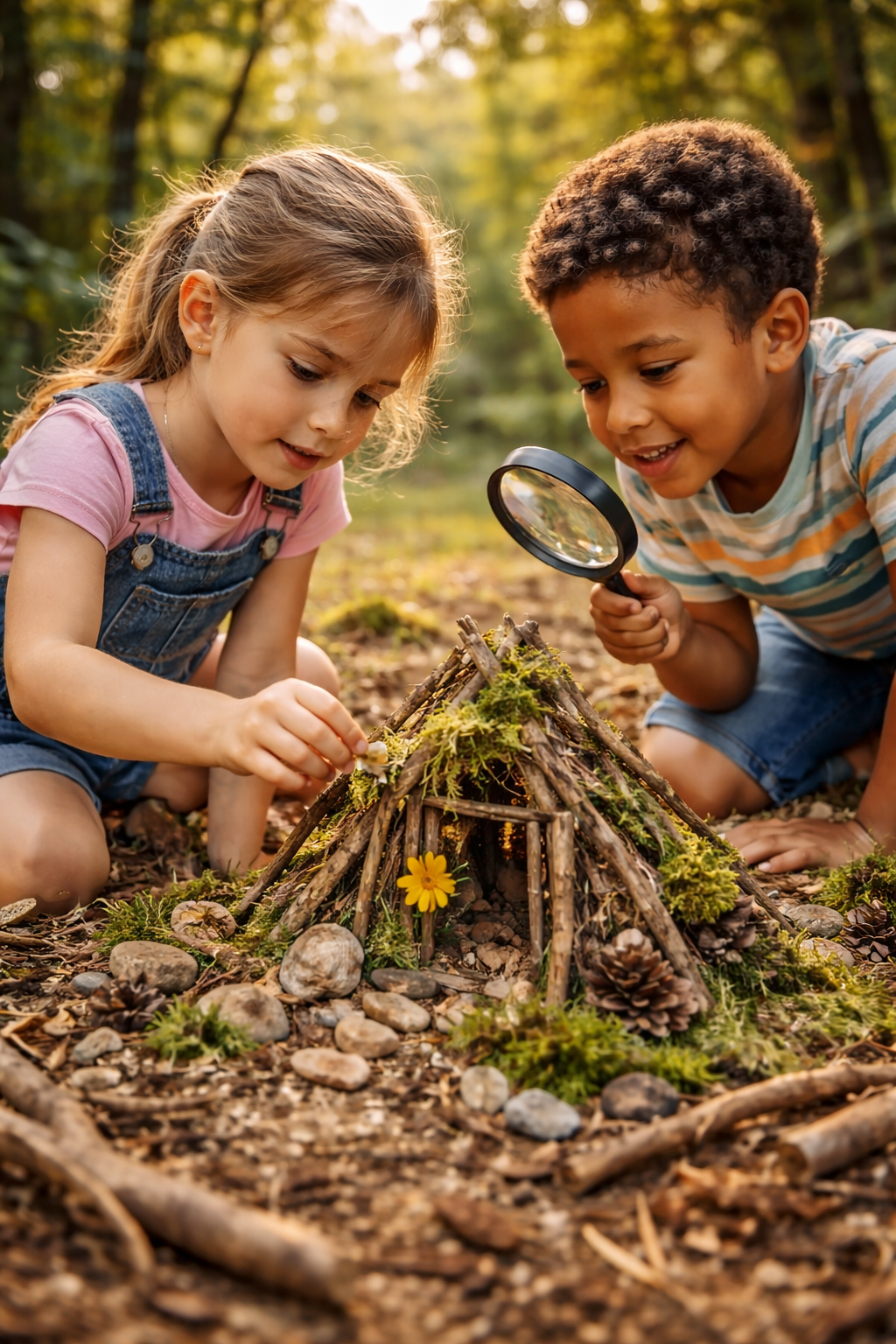
Give children access to toys and materials that encourage imagination and self-expression, such as dolls, costumes, building blocks, art supplies, and musical instruments.
2. Play Along and Model Emotional Awareness
Join children in their play and model how to express and regulate emotions. For example, you might say, “I’m feeling a little frustrated because my tower fell, but I’ll try again!”
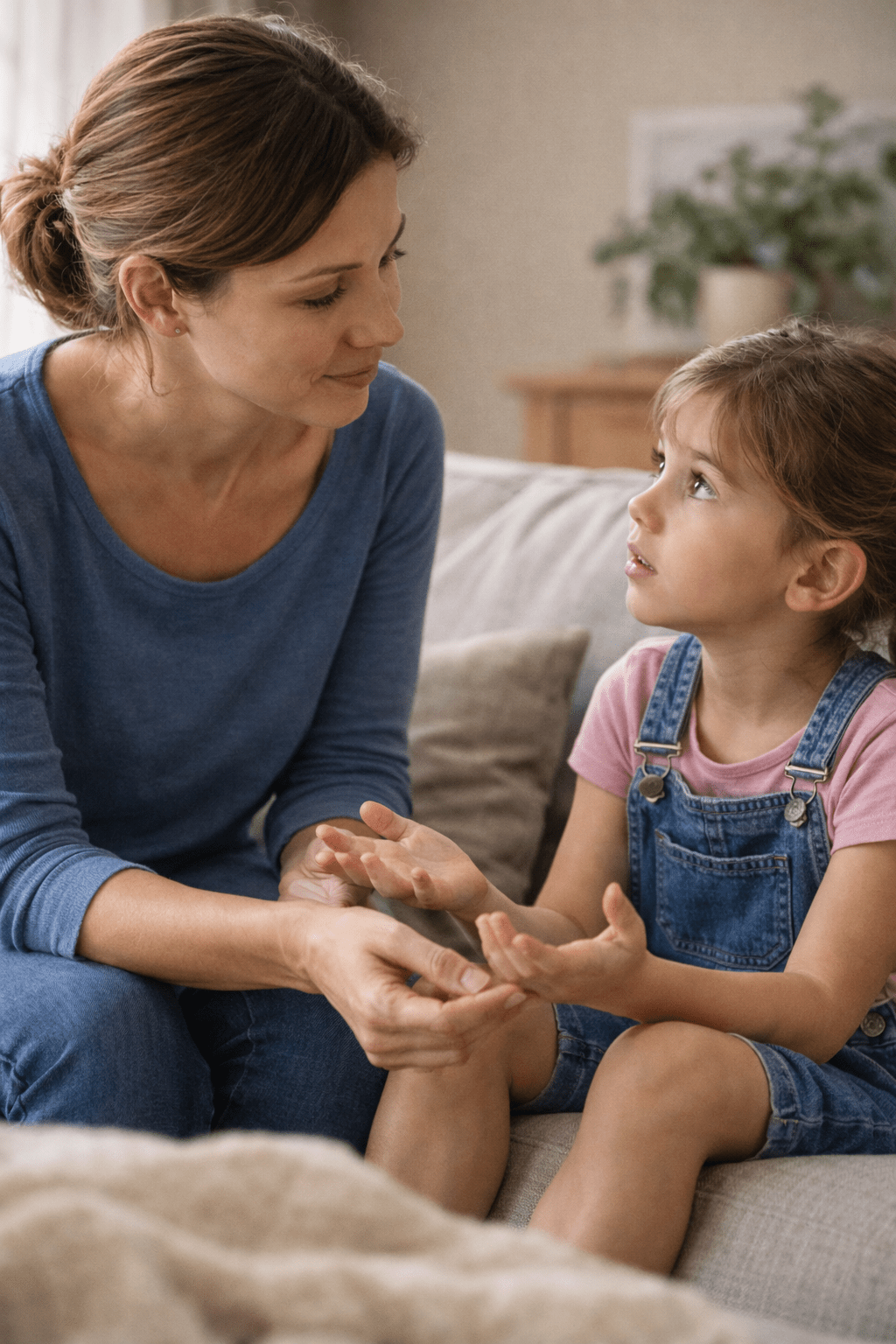
3. Use Play to Talk About Emotions
During or after play, ask open-ended questions about feelings. “What did you feel when your character had to solve the problem?” or “How did you feel when we finished the puzzle together?”
4. Encourage Problem-Solving Through Play
When conflicts arise in social play, guide children in finding solutions instead of immediately stepping in. Ask, “How can we make sure everyone feels included?” or “What could we do differently next time?”
5. Create a Safe and Supportive Play Environment
Ensure children feel comfortable expressing emotions without judgment. Let them know it’s okay to feel sad, angry, or frustrated and that play is a safe way to explore those feelings.
—
Final Thoughts
Play is a powerful tool for helping children recognize and manage their emotions. Through role-playing, creative activities, storytelling, physical play, and social interactions, children develop essential emotional skills that will serve them throughout life.
By encouraging play-based emotional learning, parents and educators can help children build confidence, resilience, and strong emotional intelligence. In the end, fostering emotional awareness through play leads to happier, more self-aware, and socially capable children—ready to navigate the world with empathy and understanding.
Would you like to explore specific games or activities in more detail? Let me know, and I’d be happy to help!





 Bright Minds Journey
Leave a comment