
Introduction
In today’s fast-paced world, children are often exposed to various stressors, from academic pressures to social challenges. Helping them develop strong emotional resilience is crucial for their overall well-being. One effective way to foster emotional development in children is through mindfulness. Mindfulness practices encourage self-awareness, emotional regulation, and empathy, providing children with the tools they need to navigate life’s ups and downs.
By incorporating mindfulness into their daily lives, children can cultivate better emotional intelligence, cope with stress effectively, and build stronger relationships. In this article, we will explore the role of mindfulness in children’s emotional development, its benefits, and practical ways to integrate it into daily routines.
Understanding Mindfulness
Mindfulness is the practice of being fully present in the moment, acknowledging thoughts and feelings without judgment. It involves focusing on the present rather than dwelling on the past or worrying about the future. For children, mindfulness can be a valuable skill that enhances their ability to manage emotions, build positive relationships, and develop a sense of inner peace.
Mindfulness is often associated with meditation, but it extends beyond that. It can be practiced in daily activities, including eating, playing, and even interacting with others. Teaching children to be mindful helps them approach life with a sense of curiosity and openness, making it easier for them to handle challenges and conflicts constructively.
The Benefits of Mindfulness for Emotional Development
1. Enhances Self-Awareness
Mindfulness helps children become more aware of their emotions, thoughts, and bodily sensations. By paying attention to their feelings, they can better understand their emotional responses and recognize patterns in their behavior. This self-awareness is a crucial foundation for emotional intelligence and helps children identify and name their emotions, which is the first step in learning how to manage them effectively.
2. Improves Emotional Regulation
Children often struggle with managing their emotions, leading to frustration, anxiety, or impulsive reactions. Mindfulness teaches them to observe their emotions without being overwhelmed by them. Through mindful breathing and meditation, children learn to pause before reacting, helping them respond to situations in a calm and thoughtful manner.
By practicing mindfulness, children develop the ability to take a step back and assess their emotions before acting out. This skill is especially useful in social interactions, where emotional regulation can prevent conflicts and encourage more positive relationships with peers and adults.
3. Reduces Stress and Anxiety
Mindfulness practices, such as deep breathing and guided imagery, have been shown to lower stress and anxiety levels in children. When children learn to focus on the present moment, they become less consumed by worries about the future or regrets from the past, leading to a greater sense of calm and well-being.
Studies have shown that children who practice mindfulness regularly experience fewer symptoms of stress and anxiety. This is particularly important in today’s world, where academic expectations and social pressures can be overwhelming for young minds.
4. Strengthens Empathy and Compassion
Mindfulness encourages children to be more present in their interactions with others. By fostering a sense of kindness and non-judgment, mindfulness helps children develop empathy and compassion for themselves and others. This strengthens their social skills and ability to form meaningful relationships.
Practicing mindfulness allows children to develop a deeper understanding of how their words and actions affect those around them. This heightened sense of empathy can improve their communication skills and foster a more positive social environment both at home and in school.
5. Boosts Focus and Attention
Practicing mindfulness can improve a child’s ability to concentrate and stay focused. By training their minds to pay attention to the present, children become more engaged in learning and other activities. This can enhance their academic performance and overall cognitive development.
In a world full of distractions, the ability to focus is a valuable skill. Mindfulness helps children stay present and attentive, which can improve their performance in school and make learning a more enjoyable experience.
Practical Ways to Introduce Mindfulness to Children
1. Mindful Breathing
One of the simplest ways to introduce mindfulness to children is through mindful breathing. Encourage them to take deep breaths, inhaling through their nose and exhaling slowly through their mouth. This technique helps them calm their minds and regulate their emotions.
2. Body Scans
A body scan involves guiding children to focus on different parts of their bodies, noticing any tension or sensations. This practice promotes relaxation and helps children develop awareness of how their emotions manifest physically.
3. Mindful Storytelling
Using storytelling as a mindfulness tool can help children reflect on their emotions and experiences. Encourage them to share a moment from their day and discuss how they felt during that time. This practice enhances emotional expression and self-reflection.
4. Gratitude Practice
Teaching children to express gratitude helps shift their focus from negative thoughts to positive experiences. Encourage them to name three things they are grateful for each day, fostering a positive mindset and emotional resilience.
5. Mindful Movement (Yoga or Stretching)
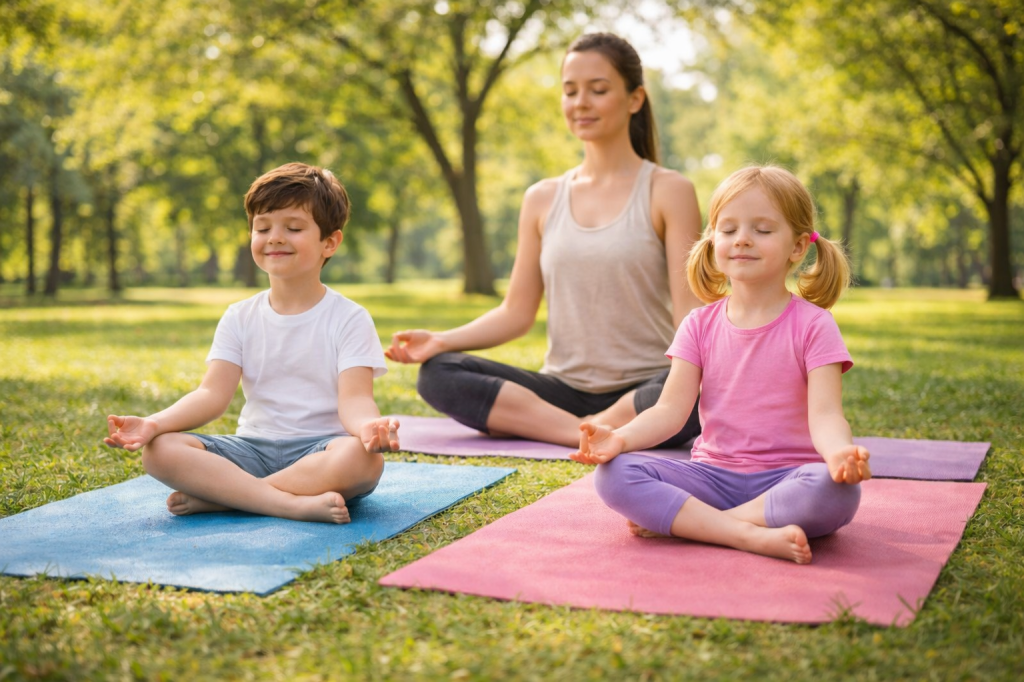
Engaging in mindful movement activities like yoga or stretching allows children to connect their breath with their bodies. These practices improve self-regulation, reduce stress, and enhance physical well-being.
6. Sensory Awareness Activities
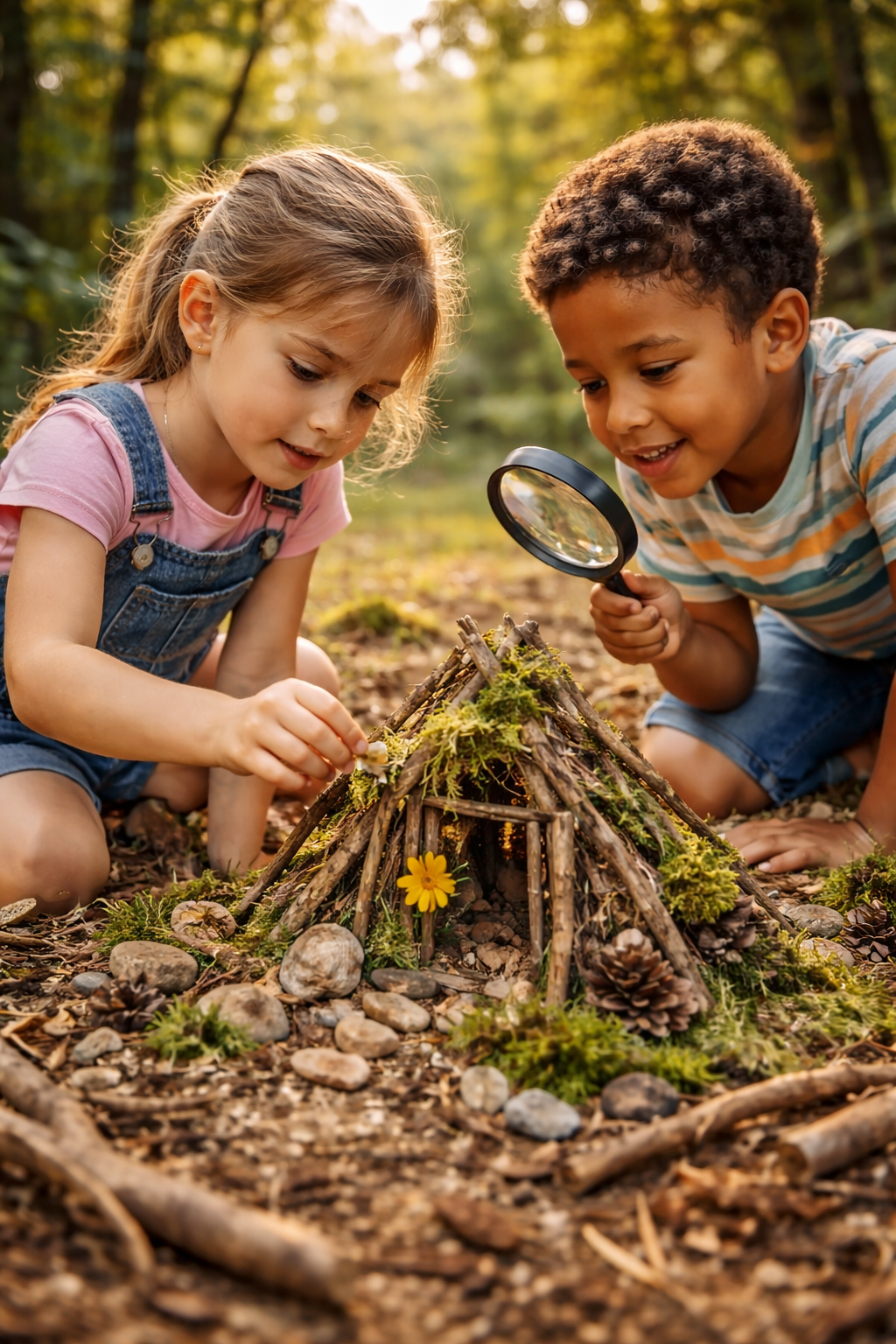
Encourage children to use their senses to explore their environment mindfully. Ask them to describe what they see, hear, smell, taste, or feel in a particular moment. This practice enhances focus and awareness.
7. Guided Meditation and Visualization
Listening to guided meditations or engaging in visualization exercises helps children imagine peaceful and happy scenarios. This practice promotes relaxation and emotional balance.
How Parents and Educators Can Support Mindfulness Practices
1. Lead by Example
Children learn best by observing the behaviors of adults around them. Parents and educators can model mindfulness by practicing it themselves, demonstrating calmness, and managing their own emotions effectively.
2. Create a Mindful Environment
A calm and structured environment encourages mindfulness. Designate a quiet space for mindfulness activities at home or in the classroom, free from distractions.
3. Encourage Open Discussions About Emotions
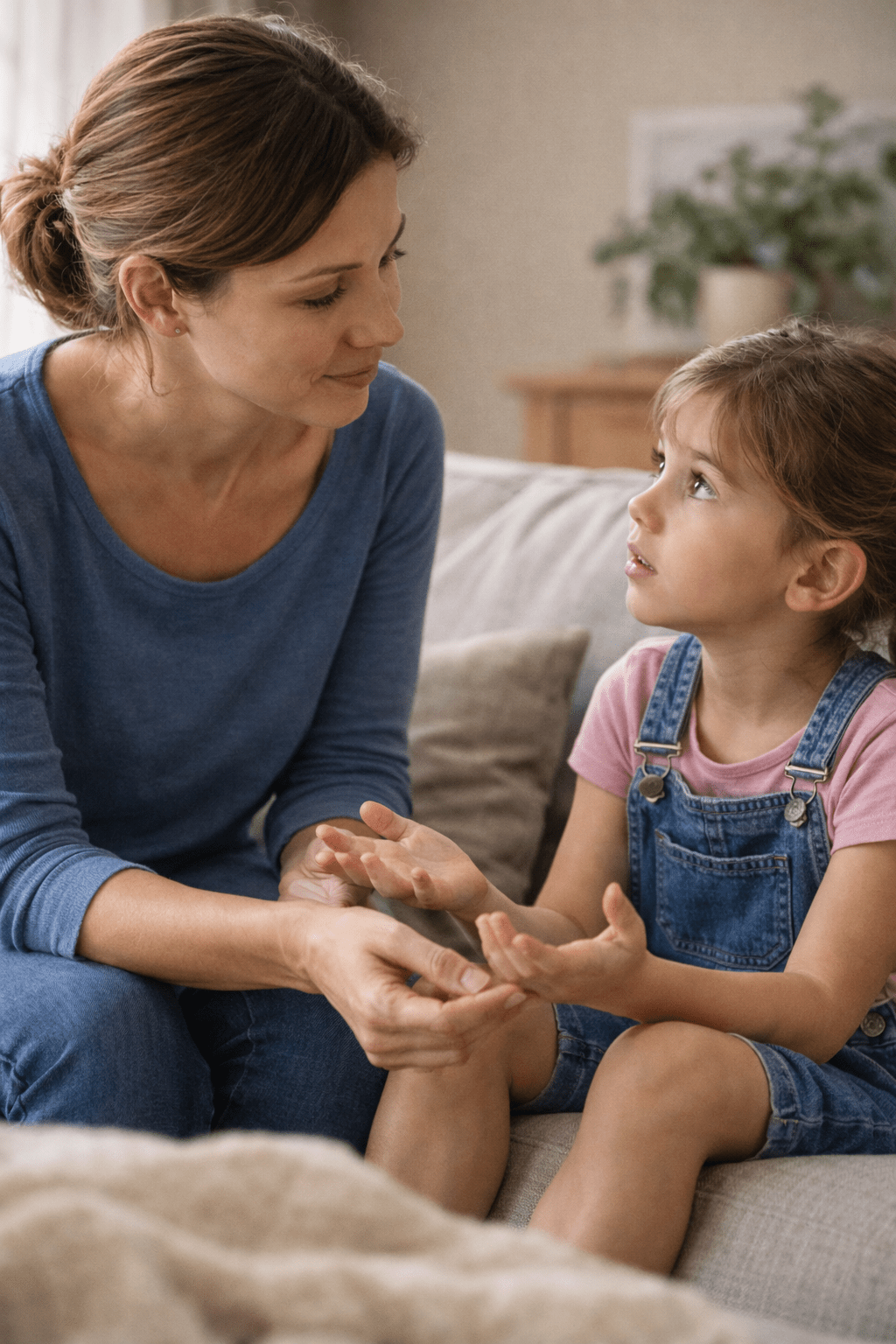
Allow children to express their feelings without judgment. Ask open-ended questions like, “How did that situation make you feel?” or “What do you think would help you feel better?” This practice fosters emotional intelligence and problem-solving skills.
4. Use Mindfulness Tools
Consider using mindfulness apps, books, or calming music to support mindfulness practice. Many resources are designed specifically for children to make mindfulness engaging and accessible.
5. Incorporate Mindfulness into Daily Routines
Encourage children to practice mindfulness in everyday activities, such as eating, walking, or playing. For example, during meals, they can focus on the taste and texture of their food, promoting mindful eating.

Conclusion
Mindfulness is a powerful tool for supporting children’s emotional development. By fostering self-awareness, emotional regulation, and empathy, mindfulness helps children navigate challenges with confidence and resilience. Parents and educators can incorporate mindfulness practices into daily life to create a more balanced and emotionally intelligent generation. As children develop mindfulness skills, they gain the ability to handle emotions in a healthy way, improving their overall well-being and future success.



 Bright Minds Journey
Leave a comment