
Sibling relationships can be a source of love, support, and companionship, but they can also be fraught with rivalry and jealousy. Many parents struggle with managing sibling jealousy, which can manifest in fights, competition for attention, and feelings of resentment. While sibling rivalry is normal, prolonged jealousy can create a tense home environment and negatively impact children’s emotional well-being. Understanding the causes of sibling jealousy and learning effective ways to manage it can help foster a healthier sibling bond.
Understanding the Causes of Sibling Jealousy
Sibling jealousy often arises from the natural competition for parental attention and resources. Several factors contribute to these feelings:
1. Age Differences – Younger children may feel overshadowed by older siblings who have more privileges and responsibilities. On the other hand, older siblings may feel replaced or less important when a new baby arrives.
2. Parental Attention – Children often compare the amount of attention and affection they receive from parents. If they perceive an imbalance, jealousy can develop.
3. Personality Differences – Some children are naturally more competitive or sensitive than others, making them more prone to jealousy.
4. Perceived Favoritism – Whether real or imagined, children may believe their parents favor one sibling over the other.
5. Changes in Family Dynamics – Events like a new baby, moving to a new home, or changes in financial status can disrupt the existing balance and trigger jealousy.
6. Differences in Achievements and Talents – When one sibling excels in academics, sports, or social skills, the other may feel inadequate or overlooked.
7. Attention During Illness or Special Needs – If one child requires extra care due to illness or special needs, other siblings might feel neglected.
Signs of Sibling Jealousy
Recognizing the signs of sibling jealousy early can help parents address the issue before it escalates. Some common indicators include:
Frequent arguments and fights
Complaints about unfair treatment
Withdrawal from family activities
Excessive tattling or trying to get a sibling in trouble
Attempts to compete for parental approval
Increased need for validation and reassurance
Acting out or displaying regressive behaviors such as bedwetting or tantrums
Feeling threatened or insecure when a sibling receives praise
How to Manage and Reduce Sibling Jealousy
As a parent, you play a crucial role in fostering a positive relationship between your children. Here are some effective strategies to manage and reduce sibling jealousy:
1. Avoid Comparisons
Comparing siblings, even in subtle ways, can increase feelings of resentment. Avoid phrases like, “Why can’t you be more like your brother?” Instead, recognize and appreciate each child’s unique strengths and abilities.
2. Encourage Teamwork and Cooperation
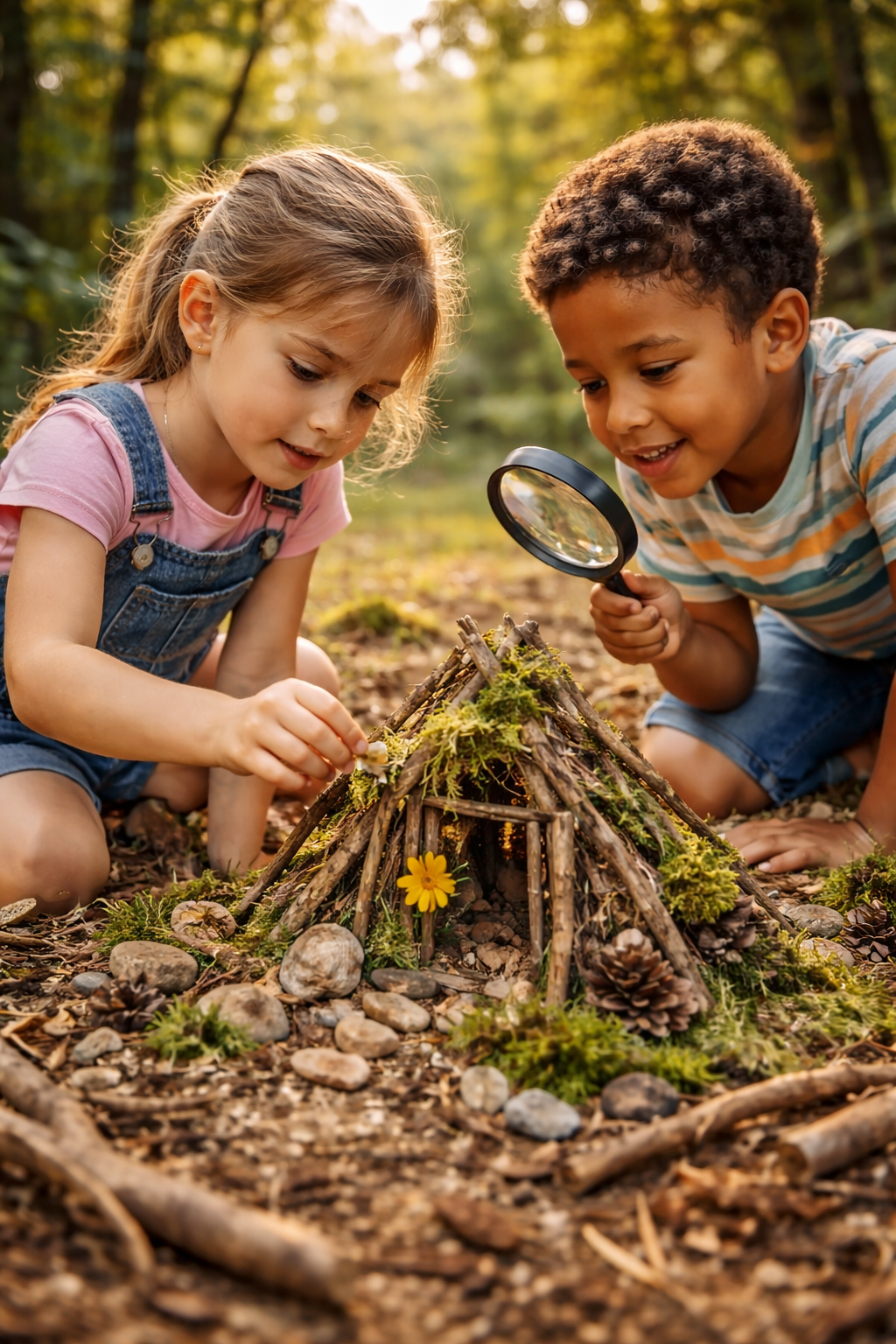
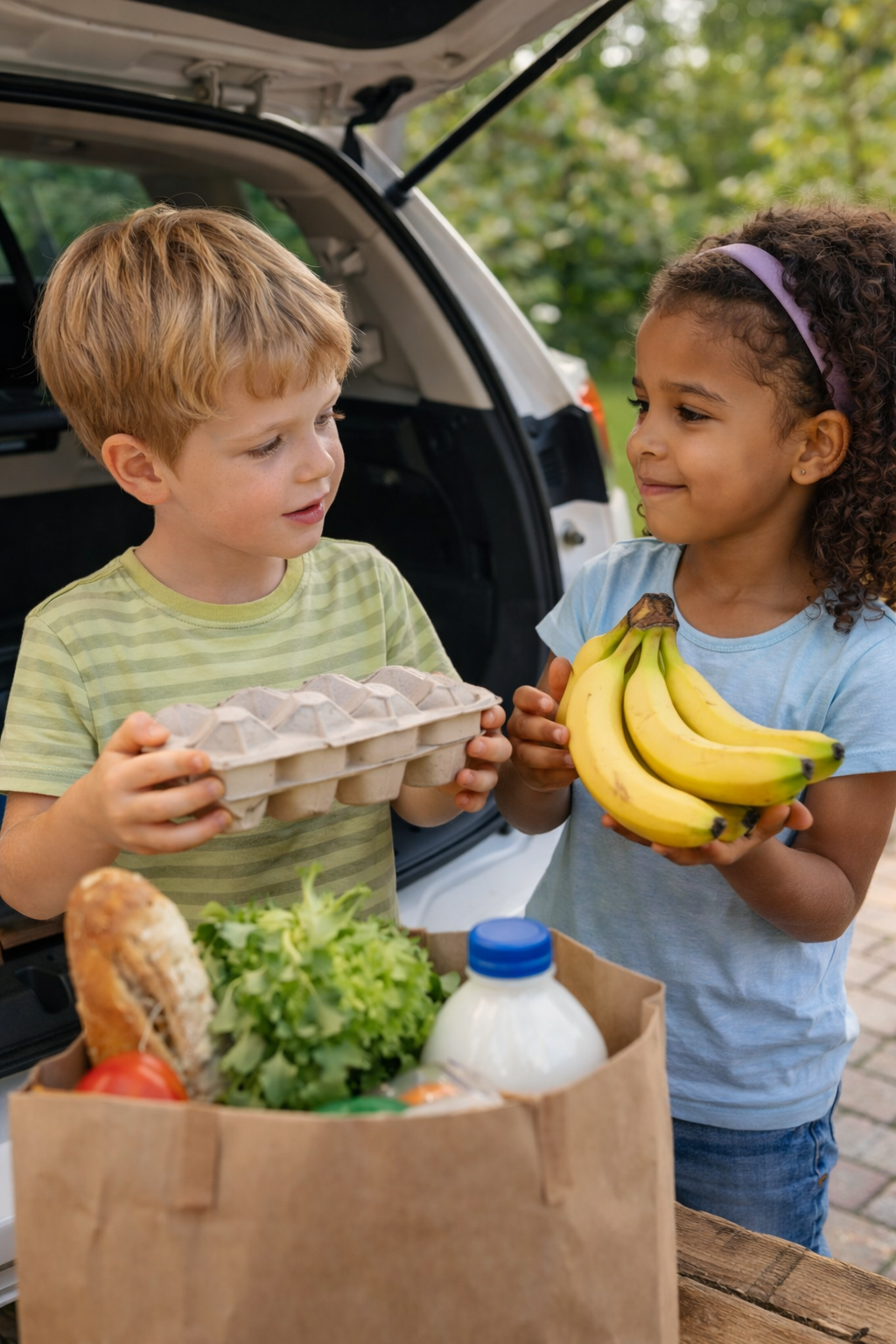
Give your children opportunities to work together on tasks, whether it’s setting the table, doing a fun craft, or solving a puzzle. Cooperative activities can help them see each other as teammates rather than competitors. Encourage siblings to support each other in sports, hobbies, or academic efforts.
3. Teach Emotional Intelligence
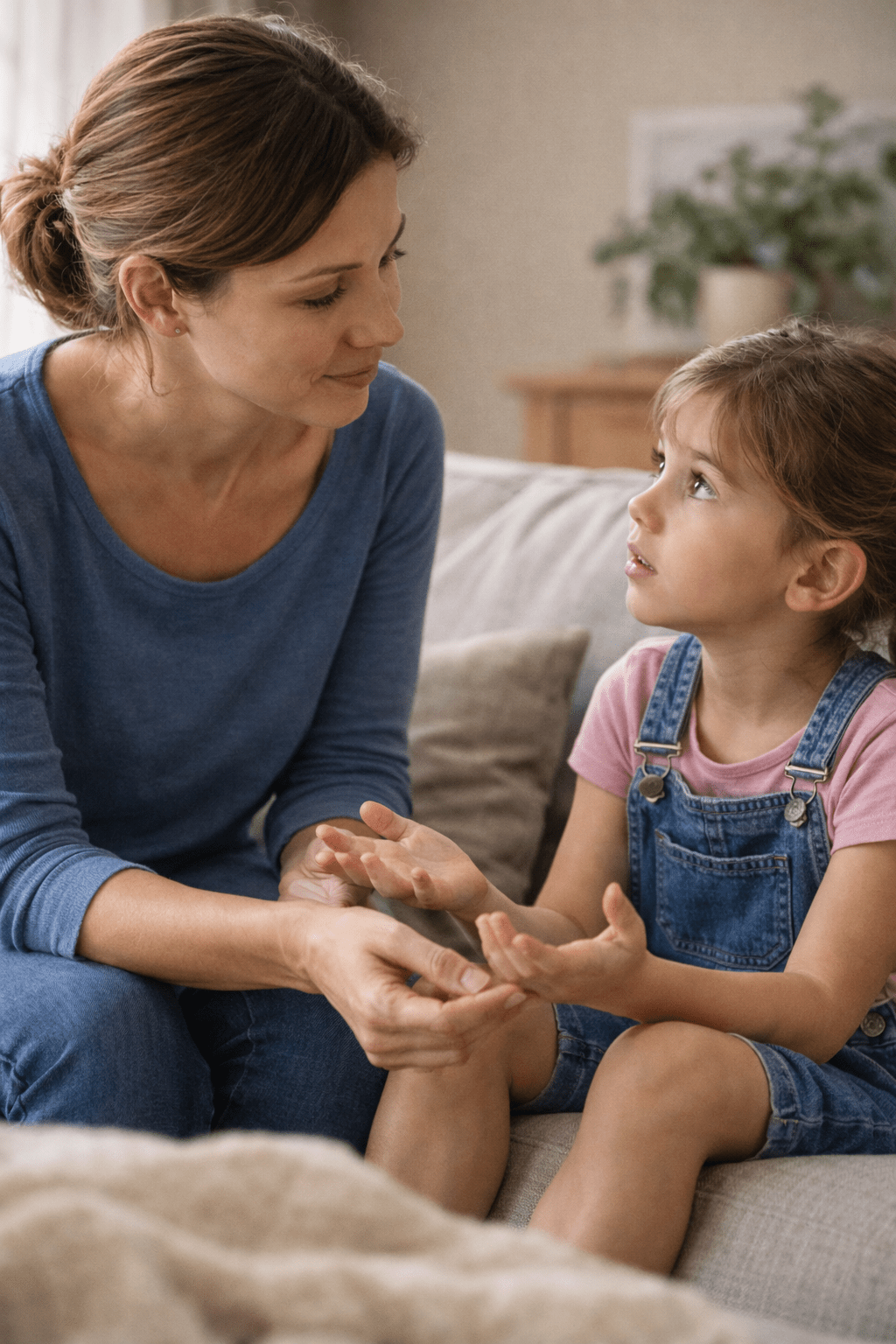
Help your children recognize and express their feelings in a healthy way. Teach them to use words to communicate their emotions instead of acting out. Phrases like, “I feel sad when you take my toy without asking,” can help children express themselves constructively. Emotional intelligence skills will help them navigate not only sibling relationships but also friendships and other social interactions.
4. Give Individual Attention
Make sure each child gets one-on-one time with you. Even small moments, such as reading a book together or taking a short walk, can reassure them that they are valued and loved. Set aside specific times for individual bonding to ensure no child feels neglected.
5. Set Clear and Fair Rules
Having consistent rules and expectations for all children helps prevent feelings of unfairness. If one child has privileges based on age or responsibility, explain why to avoid misunderstandings. Ensure that discipline is applied consistently, so one sibling doesn’t feel that the other is getting special treatment.
6. Foster Mutual Respect
Teach siblings to respect each other’s personal space, belongings, and feelings. Reinforce the idea that kindness and empathy are essential parts of a healthy relationship. Parents should model respectful behavior and mediate conflicts with a focus on fairness rather than blame.
7. Celebrate Each Child’s Achievements
Instead of focusing on competition, encourage your children to celebrate each other’s successes. Praising a sibling’s achievements rather than feeling threatened by them helps build a supportive dynamic. Reinforce the idea that one sibling’s success does not diminish the value of another.
8. Address Conflicts Fairly
Avoid taking sides during sibling conflicts. Instead, guide them in resolving disputes through communication and compromise. Ask questions like, “How can we solve this problem together?” to encourage cooperation. When siblings fight, allow them the opportunity to express their perspectives, then facilitate a fair resolution.
9. Teach Problem-Solving Skills
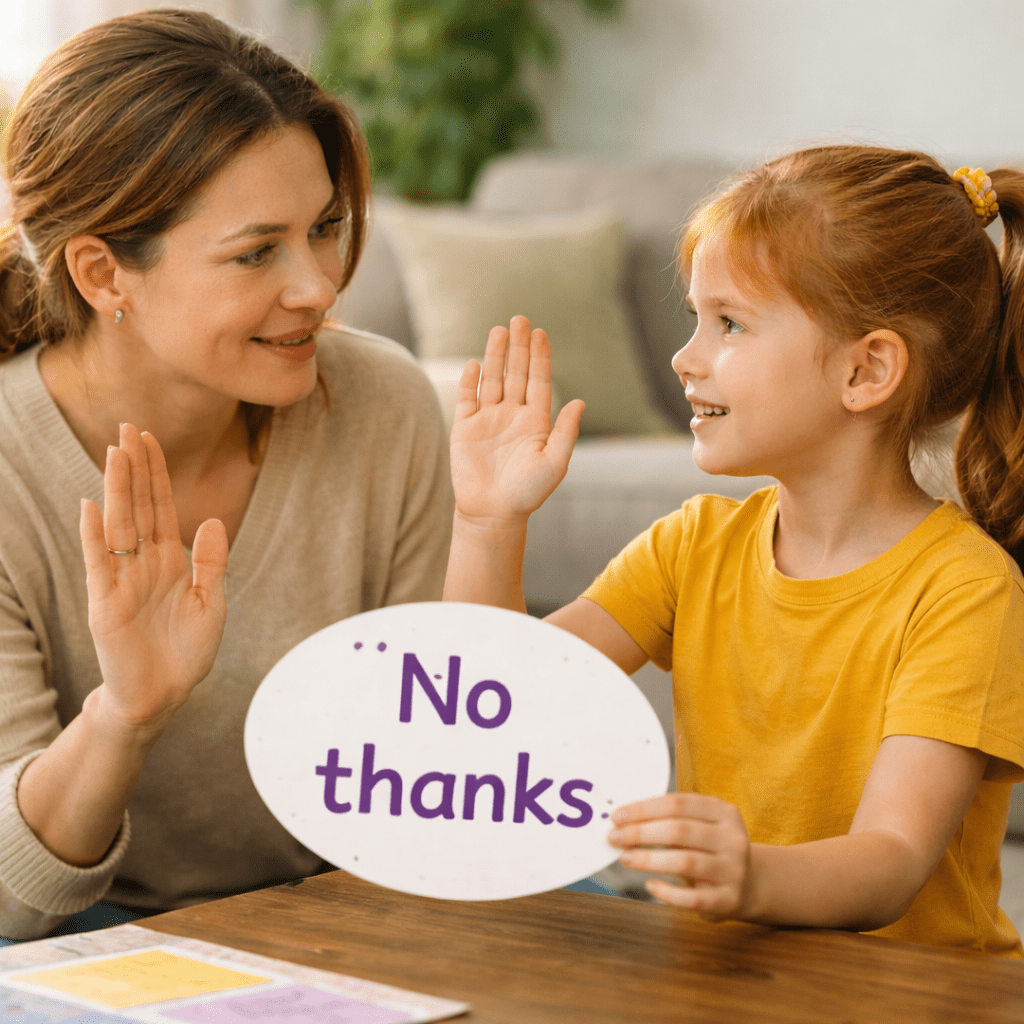
Help children learn how to resolve conflicts independently by teaching problem-solving strategies. Encourage them to brainstorm solutions together rather than always relying on parental intervention. Role-playing common conflicts can help children practice peaceful resolutions.
10. Model Healthy Relationships
Children learn from observing their parents. Demonstrate healthy ways to handle disagreements, show empathy, and express love within the family. The way you manage your own conflicts with your partner, relatives, or friends will set an example for how your children handle disputes with their siblings.
11. Create Special Rituals for Sibling Bonding
Encourage positive sibling interactions by introducing fun traditions, such as weekly movie nights, game nights, or special outings where siblings can build memories together. This helps develop a sense of camaraderie and mutual enjoyment.
12. Help Children Develop Their Own Identities
Encourage each child to pursue their own interests and hobbies. When children feel secure in their own talents and identity, they are less likely to compare themselves to their siblings and experience jealousy.
When to Seek Professional Help
While occasional sibling jealousy is normal, severe or persistent jealousy that leads to aggression, bullying, or emotional distress may require professional intervention. If one child’s self-esteem is significantly affected, or if jealousy is causing extreme tension in the family, consulting a child psychologist can provide helpful strategies and support.
Final Thoughts
Sibling jealousy is a common challenge in many families, but with the right approach, parents can help children build strong, supportive relationships with their siblings. By fostering an environment of fairness, open communication, and emotional intelligence, you can create a home where siblings feel valued and connected. Over time, these efforts will lead to a stronger bond between siblings and a more harmonious family dynamic. By being proactive and intentional in managing sibling relationships, parents can lay the foundation for lifelong bonds of friendship and support between their children.




 Bright Minds Journey
Leave a comment