Dyslexia is one of the most common learning disabilities, affecting the way children process language, particularly in reading, writing, and spelling. Early identification is crucial, as it allows for timely interventions that can significantly improve a child’s learning experience and self-confidence. Many children with dyslexia are bright and creative, but without support, they may struggle with school and feel frustrated. In this article, we will explore the early signs of dyslexia, when to seek help, and what parents and educators can do to support children with this learning difference.
What Is Dyslexia?
Dyslexia is a neurological condition that affects the brain’s ability to process written and spoken language. It is not linked to intelligence, vision, or hearing problems. Instead, it primarily affects phonological processing—the ability to recognize and manipulate sounds in words. This makes reading, spelling, and sometimes even speaking more challenging for children with dyslexia.
Dyslexia occurs on a spectrum, meaning that its severity and specific symptoms can vary widely. Some children may have mild difficulties, while others may struggle more significantly. Since early literacy skills form the foundation for academic success, recognizing the signs as soon as possible can make a world of difference.
Why Early Detection Matters
Identifying dyslexia early provides children with the best chance to develop effective reading strategies before they fall behind their peers. Without intervention, dyslexia can lead to frustration, low self-esteem, and avoidance of reading or school-related activities. Early diagnosis allows for tailored teaching methods, accommodations, and emotional support, which can help children thrive in both academic and personal settings.
Many parents and educators assume that dyslexia is only diagnosed in school-age children, but research suggests that even preschool-aged children may exhibit early signs. Understanding these signs can help parents take action sooner rather than later.
Early Signs of Dyslexia in Preschoolers
Dyslexia symptoms can start appearing as early as three to five years old, though formal diagnosis often occurs later. Here are some common signs that may indicate a child is at risk for dyslexia:
1. Delayed Speech Development
Some children with dyslexia may take longer than usual to start speaking.
They might struggle with pronouncing words, frequently mispronounce sounds, or swap syllables (e.g., saying “aminal” instead of “animal”).
Difficulty remembering the names of common objects or mixing up similar-sounding words.
2. Problems with Rhyming and Sound Recognition
A child with dyslexia may have difficulty recognizing rhyming words, such as “cat” and “hat.”
They may struggle to break words into individual sounds (phonemes), which is a foundational skill for reading.
3. Difficulty with Alphabet and Letter Recognition
They may struggle to learn and remember the alphabet.
Recognizing letters and matching them to their corresponding sounds can be challenging.
Difficulty recognizing their own name in writing.
4. Issues with Learning New Words
Limited vocabulary for their age.
They may have trouble recalling the right words to express themselves.
They might often substitute words or pause frequently when speaking.
5. Poor Fine Motor Skills
Difficulty learning how to hold a pencil correctly.
Struggles with coloring, cutting with scissors, or buttoning clothes.
6. Difficulty Following Instructions
Trouble following multi-step directions.
May frequently forget or mix up sequences, such as routines or instructions.
7. Family History of Dyslexia or Learning Difficulties
Dyslexia tends to run in families, so if there is a family history of reading difficulties, parents should be especially attentive to early warning signs.
8. Resistance to Reading and Storytime
Many children with early dyslexia symptoms may avoid books, become restless during storytime, or show little interest in letters and words.
Signs of Dyslexia in Early Elementary School (Ages 5-7)
If dyslexia is not identified in preschool, symptoms may become more apparent once formal reading instruction begins in school. Some of the key indicators at this stage include:
1. Difficulty Sounding Out Words
Struggling to connect letters with their corresponding sounds.
Frequently guessing words instead of sounding them out.
2. Slow or Inaccurate Reading
Reading below their expected grade level.
Frequent skipping or reversing letters (e.g., “b” and “d” confusion).
Losing their place while reading or needing to use a finger to follow along.
3. Problems with Spelling
Difficulty remembering how to spell simple words.
Inconsistent spelling, sometimes writing the same word differently in a single sentence.
4. Trouble Writing
Messy handwriting and trouble forming letters.
Difficulty spacing letters and words properly.
5. Memory Challenges
Difficulty remembering sequences like days of the week or the alphabet.
Struggling to recall new words, numbers, or names.
6. Trouble with Left and Right Orientation
Confusion with directions, such as distinguishing left from right.
Difficulty tying shoelaces or remembering routines.
When Should Parents Seek Professional Help?
If a child consistently exhibits multiple signs of dyslexia, it is essential to seek professional guidance. A formal evaluation can be conducted by:
A pediatrician or child psychologist.
A speech-language therapist.
A specialist in educational psychology.
Early testing can confirm whether a child has dyslexia or another learning difficulty. Once diagnosed, intervention strategies can be implemented to support their learning journey.
How Can Parents and Teachers Support a Child with Dyslexia?
1. Use Multisensory Learning Techniques
Children with dyslexia benefit from hands-on and visual learning methods. Activities that involve touch, movement, and auditory elements can strengthen their reading skills. For example:
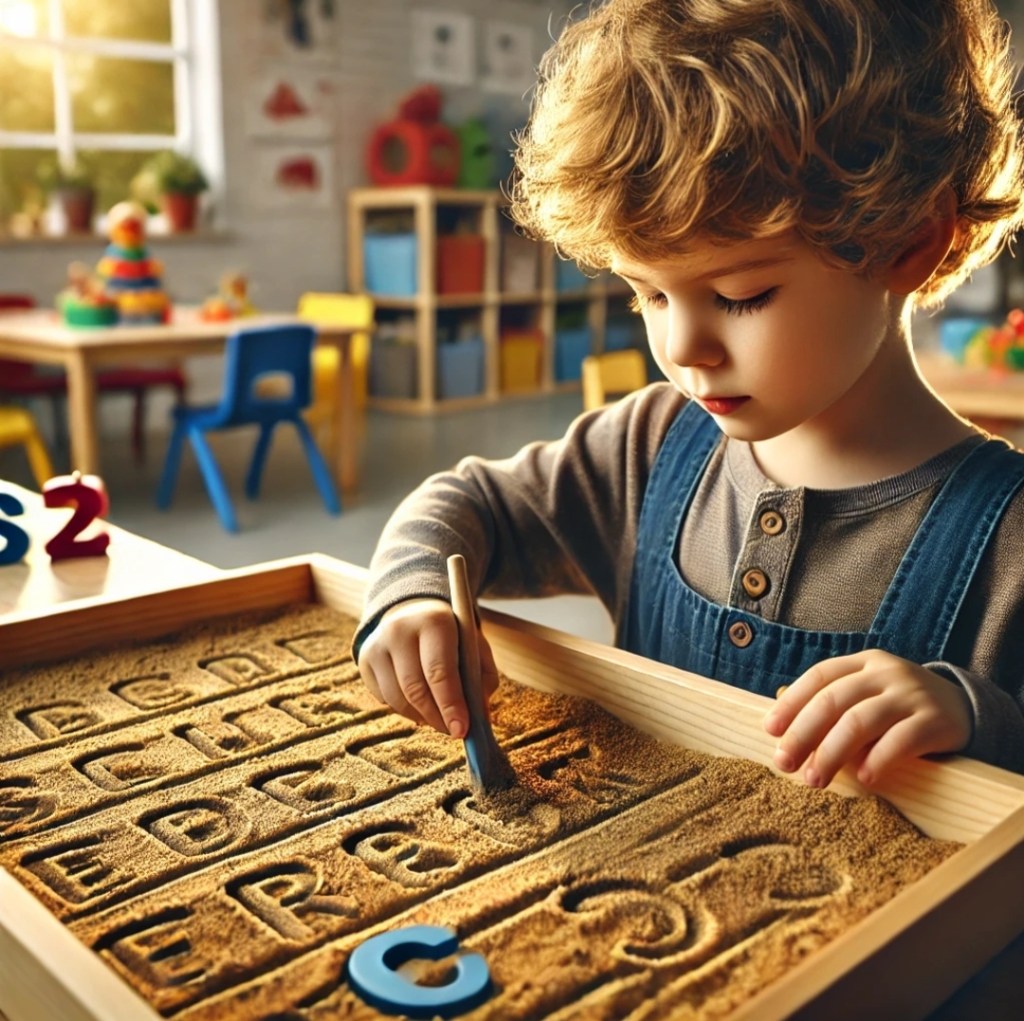
Tracing letters in sand or shaving cream.
Using magnetic letters to form words.
Singing phonics songs and engaging in interactive reading games.
2. Read Aloud Together Daily
Even if a child struggles to read independently, daily read-aloud sessions help develop language skills. Parents and teachers can:
Read books together and point to words as they read.
Ask the child to repeat new vocabulary words.
Discuss stories to improve comprehension skills.
3. Provide Positive Reinforcement
Dyslexia can be frustrating, so it’s important to focus on a child’s strengths and celebrate small achievements. Encourage perseverance and remind them that intelligence is not determined by reading ability.
4. Seek Specialized Reading Programs
Programs like Orton-Gillingham and Wilson Reading System use structured, phonics-based approaches designed specifically for dyslexic learners.
5. Use Technology to Support Learning
Assistive technology, such as audiobooks, text-to-speech tools, and educational apps, can help children with dyslexia keep up with schoolwork.
Download the “Playful Letter Magic” activity book here
Conclusion: The Importance of Early Awareness
Recognizing dyslexia in early childhood is essential for ensuring that children receive the right support to build confidence and succeed in school. While dyslexia presents challenges, it is not a barrier to success. With proper intervention, encouragement, and teaching strategies tailored to their needs, children with dyslexia can develop strong reading and learning skills.
If you suspect your child or student may have dyslexia, don’t hesitate to seek professional evaluation. The earlier a child receives help, the better their chances of overcoming reading difficulties and discovering their unique strengths.
Would you like to learn more about supporting children with dyslexia? Explore our other articles on child development and learning strategies!





 Bright Minds Journey
Leave a comment