
Learning is a lifelong journey, and developing a love for learning from an early age can significantly impact a child’s academic success, confidence, and personal growth. Children who enjoy learning are more likely to be curious, self-motivated, and resilient when facing challenges. However, fostering this love requires patience, creativity, and an understanding of how children engage with the world around them.
In this article, we’ll explore practical ways parents, teachers, and caregivers can help children find joy in learning and build a positive relationship with education.
1. Create a Positive Learning Environment
Children thrive in environments that encourage curiosity, exploration, and discovery. A supportive and engaging space can make learning more enjoyable and less stressful.
Make Learning Spaces Inviting
- Designate a specific area for learning that is free from distractions.
- Use bright colors, comfortable seating, and fun decorations to make the space inviting.
- Keep learning materials (books, puzzles, art supplies) easily accessible.
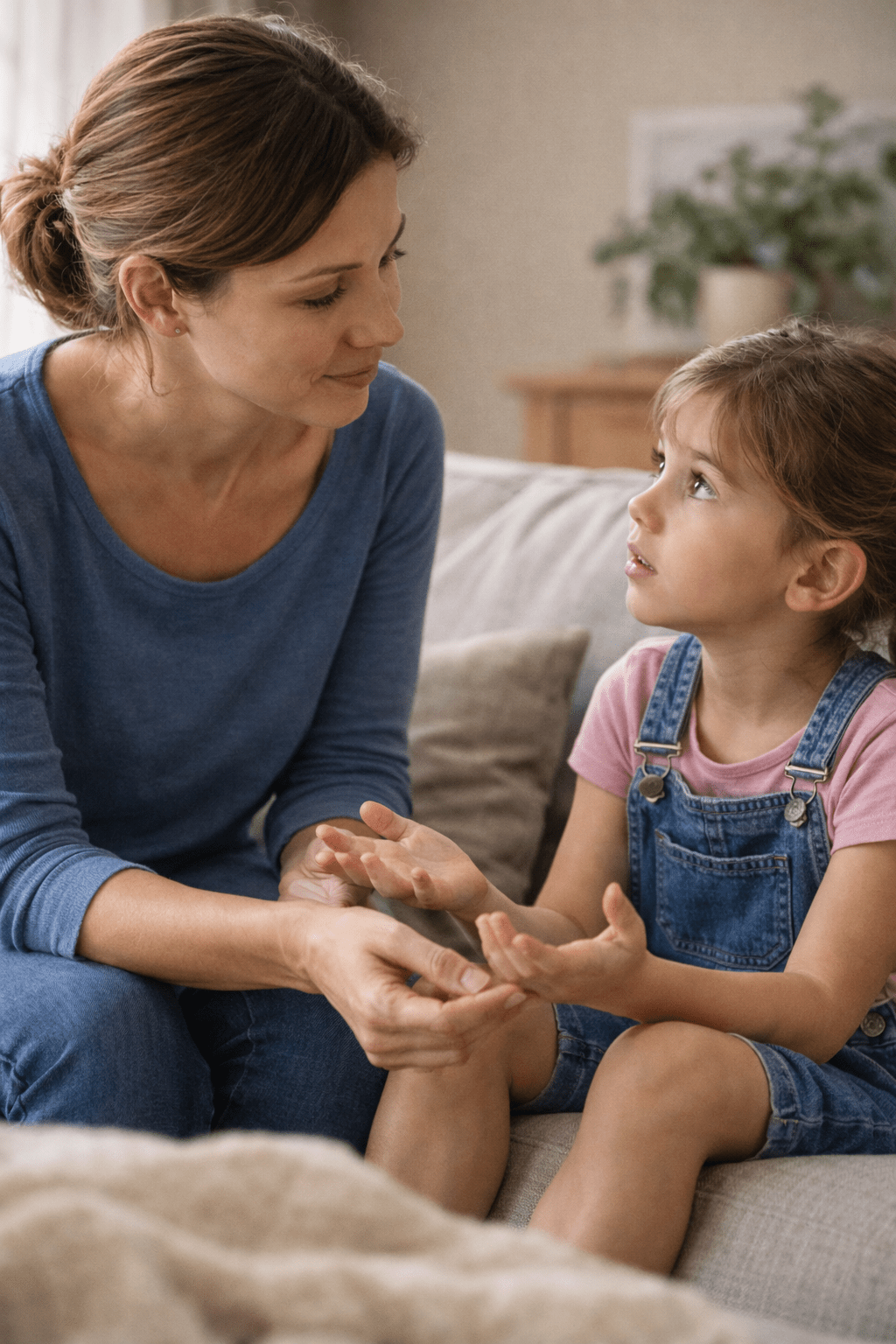
Encourage Open Communication
- Foster a culture where children feel safe asking questions and expressing their thoughts.
- Praise effort rather than just results to build confidence and resilience.
- Be patient and listen to their concerns about learning difficulties.
2. Connect Learning to Real-Life Experiences
Children are naturally curious about the world, and they learn best when they can see the relevance of new information in their everyday lives.
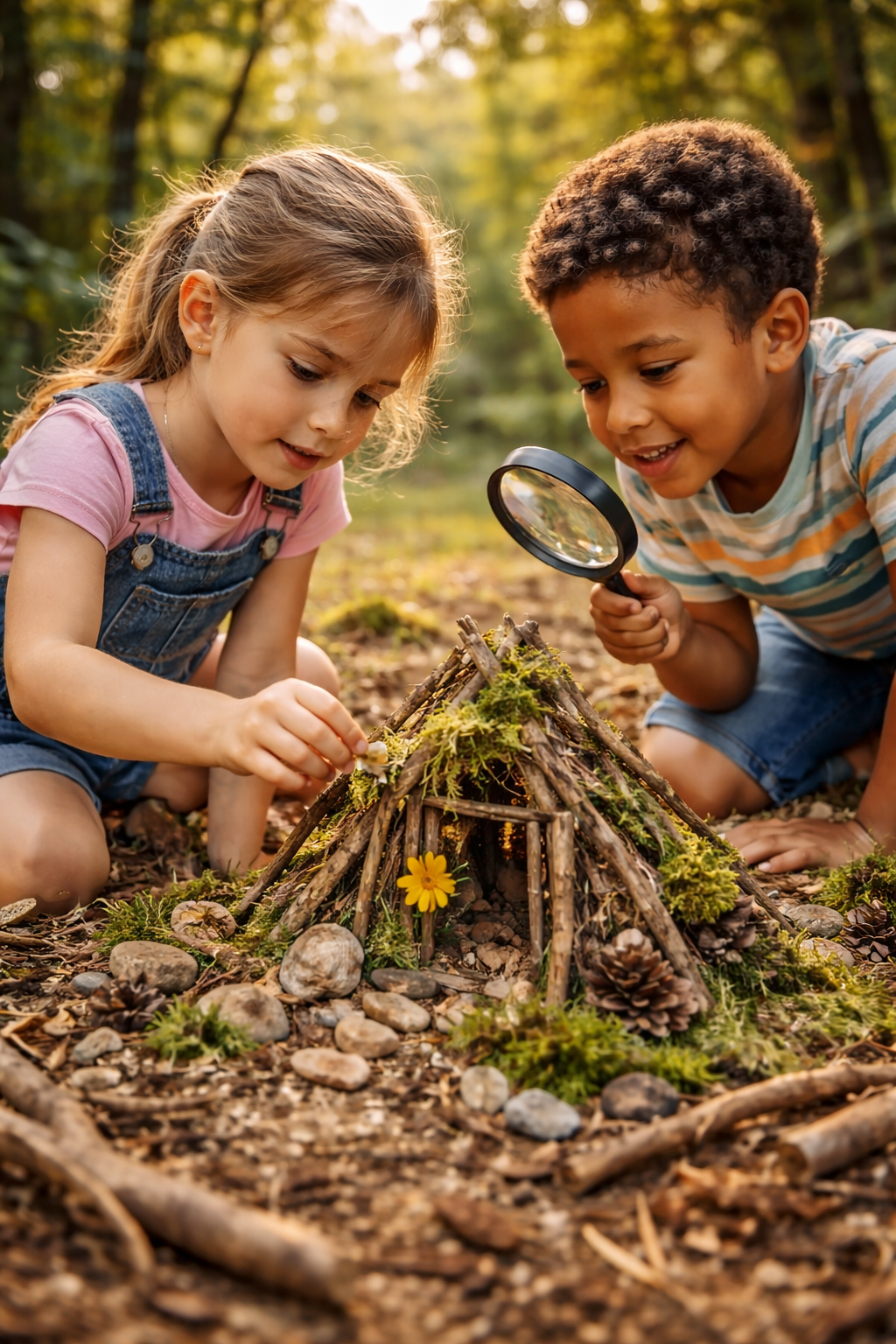
Make Learning Hands-On
- Cooking together teaches math (measuring ingredients) and science (chemical reactions).
- Gardening introduces biology and environmental science.
- Playing store with pretend money helps develop basic math skills.
Encourage Exploration
- Take children on educational outings to museums, zoos, and historical sites.
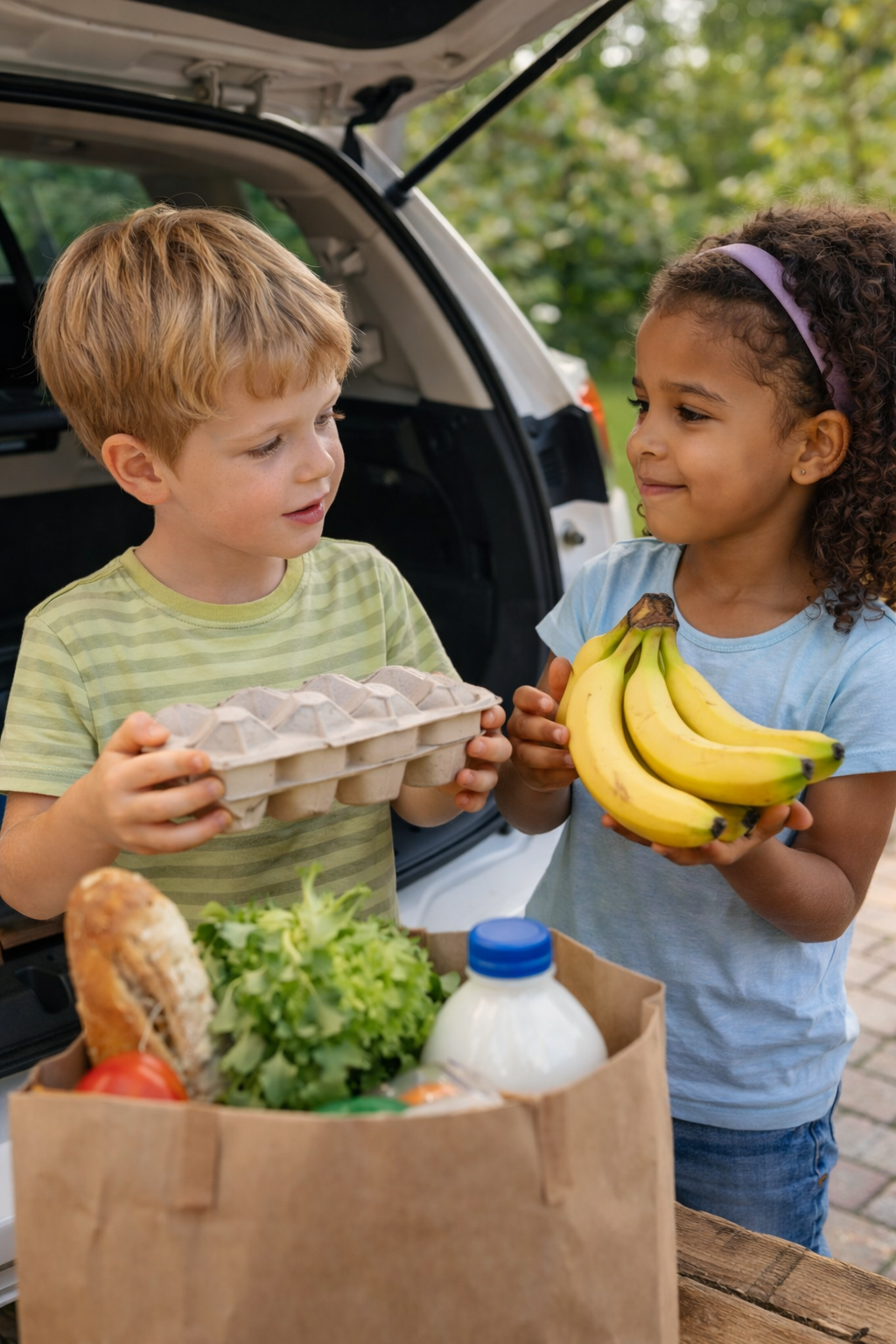
- Show them how science and math apply to daily activities like grocery shopping or weather predictions.
- Involve them in real-world problem-solving, such as planning a trip or budgeting for a purchase.
3. Encourage Curiosity and Creativity
Children learn best when they are encouraged to explore topics that interest them. Giving them the freedom to ask questions and seek answers fosters intrinsic motivation.
Follow Their Interests
- Observe what excites them—whether it’s dinosaurs, space, or music—and incorporate those topics into learning activities.
- Let them choose books, experiments, or projects based on their interests.
Promote a Growth Mindset
- Teach children that intelligence is not fixed; it grows with effort and perseverance.
- Praise their progress and hard work rather than just their intelligence or talent.
- Encourage them to see mistakes as opportunities to learn rather than failures.
4. Make Learning Fun and Interactive
When learning feels like a chore, children quickly lose interest. However, engaging and interactive activities can make it exciting.
Use Games and Play-Based Learning
- Board games, card games, and puzzles help improve problem-solving and critical thinking.
- Educational apps and online games can reinforce learning in an entertaining way.
- Role-playing activities (pretending to be a scientist, detective, or chef) make learning immersive.
Incorporate Music and Movement
- Singing songs and dancing can help children remember information (e.g., the alphabet song, multiplication songs).
- Acting out stories enhances comprehension and storytelling skills.
- Hands-on activities like building models or crafting make abstract concepts more concrete.
5. Foster a Love for Reading
Reading is the foundation of lifelong learning. Children who enjoy reading are more likely to perform well in school and develop strong language and critical thinking skills.
Make Reading a Daily Habit
- Set aside dedicated time for reading together every day.
- Create a cozy reading nook with comfortable seating and good lighting.
- Let children choose books that interest them to increase engagement.
Use Different Reading Approaches
- Read aloud with enthusiasm and use different voices for characters.
- Encourage children to retell stories in their own words.
- Discuss the stories and ask open-ended questions to develop comprehension skills.
6. Encourage Independence and Responsibility
Children are more motivated to learn when they feel in control of their education. Encouraging independence allows them to take ownership of their learning journey.
Let Them Set Learning Goals
- Help children set small, achievable goals for school or personal learning projects.
- Celebrate milestones to boost their confidence and motivation.
- Teach them time management skills by allowing them to schedule their own study time.
Encourage Self-Directed Learning
- Provide resources and tools that allow children to explore topics independently.
- Support their curiosity by guiding them to research answers to their questions.
- Teach them how to find reliable sources of information.
7. Support Social Learning and Collaboration
Children learn not just from books but also from their interactions with others. Group activities and social learning experiences can make learning more engaging and meaningful.
Encourage Group Activities
- Organize study groups or learning playdates.
- Participate in community projects or volunteering opportunities.
- Enroll children in extracurricular activities like music, dance, or science clubs.
Teach Collaboration and Teamwork
- Encourage children to work on group projects where they can exchange ideas.
- Teach problem-solving and negotiation skills through teamwork activities.
- Foster empathy and cooperation through shared learning experiences.
8. Be a Role Model for Lifelong Learning
Children are influenced by the attitudes and behaviors of the adults around them. Demonstrating enthusiasm for learning can inspire them to do the same.
Show Your Own Love for Learning
- Share what you are learning, whether it’s a new language, a skill, or an interesting fact.
- Read books, watch documentaries, or take up new hobbies in front of your child.
- Express excitement about discovering new things.
Stay Positive About Education
- Avoid negative talk about school or learning challenges.
- Encourage perseverance by sharing stories of how you overcame difficulties in learning.
- Emphasize the joy and benefits of knowledge rather than just focusing on grades.
9. Balance Structured Learning and Free Play
While structured learning is important, children also need time for unstructured play, which fosters creativity and problem-solving.
Give Them Time to Play
- Free play helps develop cognitive, social, and emotional skills.
- Outdoor play and physical activities enhance brain development and concentration.
- Creative play, like building with blocks or storytelling, encourages problem-solving and imagination.
Avoid Over-Scheduling
- Allow children to have downtime to relax and process what they’ve learned.
- Ensure they have a healthy balance between academics, hobbies, and social interactions.
- Let them follow their natural rhythms and interests.
10. Foster Emotional Well-Being and Confidence
A child’s emotional well-being plays a crucial role in their willingness to learn. Building confidence and reducing stress around learning helps them stay motivated.
Create a Supportive Atmosphere
- Avoid pressure and unrealistic expectations that can lead to anxiety.
- Show patience and understanding when children struggle with a concept.
- Celebrate effort and progress, not just achievements.
Encourage a Healthy Mindset
- Teach children relaxation techniques to manage frustration (deep breathing, mindfulness).
- Help them develop resilience by framing challenges as opportunities to grow.
- Offer encouragement and support when they face difficulties
📌 Download the free activity pack! 📌
Final Thoughts
Helping children develop a love for learning is one of the most valuable gifts we can give them. By creating a positive environment, connecting learning to real life, and making education engaging and interactive, we can nurture their curiosity and motivation.
Every child is unique, and the key is to find what excites and inspires them. With patience, encouragement, and the right approach, learning can become a joyful and lifelong journey that empowers them to succeed in all aspects of life.
So, let’s embrace learning as an adventure and guide our children to discover the wonders of knowledge with enthusiasm and curiosity!




 Bright Minds Journey
Leave a comment