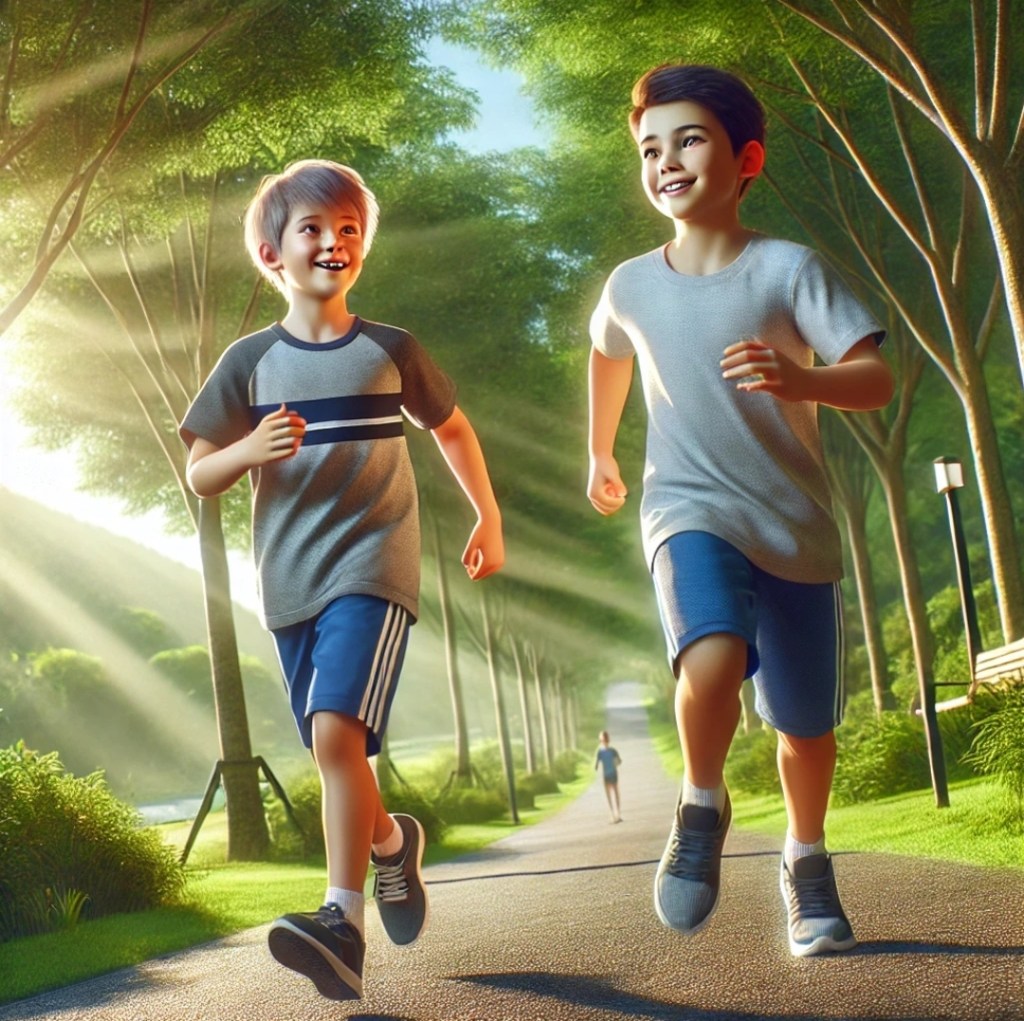
Children are naturally active, full of energy, and eager to explore their surroundings. However, in today’s digital age, many children are becoming more sedentary due to the increasing use of screens and structured schedules that limit free play. Encouraging regular exercise is crucial for their overall development, helping them grow into healthy, happy, and confident individuals.
This article explores why physical activity is essential for children, the benefits it offers, and how parents and educators can promote a healthy, active lifestyle.
1. The Importance of Physical Activity in Childhood
Children’s bodies and minds develop rapidly, making regular physical activity a key factor in their growth. Unlike adults, who may need to consciously schedule workouts, children often engage in exercise naturally through play. Running, jumping, climbing, and dancing all contribute to their physical development.
Unfortunately, studies show that children today are less active than previous generations. According to the World Health Organization (WHO), children should engage in at least 60 minutes of moderate to vigorous physical activity per day. However, many fall short of this recommendation, which can lead to health risks and developmental issues.
Physical activity is not just about fitness—it is fundamental to a child’s well-being in multiple ways. Let’s explore the key benefits.
2. Physical Health Benefits of Exercise
2.1. Supports Healthy Growth and Development
Children grow rapidly, and exercise plays a major role in strengthening their bones, muscles, and joints. Weight-bearing activities like running, jumping, and climbing help build bone density, reducing the risk of fractures and osteoporosis later in life.
2.2. Maintains a Healthy Weight
Childhood obesity is a growing concern worldwide, with increasing numbers of children facing weight-related health issues. Regular physical activity helps regulate body weight by burning calories, improving metabolism, and developing healthy eating and exercise habits that can last a lifetime.
2.3. Strengthens the Heart and Lungs
Aerobic exercises like running, cycling, and swimming strengthen the cardiovascular system, making the heart and lungs more efficient. This reduces the risk of heart disease, high blood pressure, and type 2 diabetes later in life.
2.4. Improves Coordination and Motor Skills
Activities like jumping, throwing, catching, and balancing develop fine and gross motor skills, enhancing a child’s overall coordination and agility. These skills are not only essential for sports but also for everyday activities like writing, tying shoelaces, and playing musical instruments.
2.5. Boosts Immunity
Regular physical activity strengthens the immune system, helping children fight off common illnesses like colds and flu. It also reduces inflammation in the body, lowering the risk of chronic diseases.
3. Mental and Emotional Benefits of Exercise
3.1. Enhances Brain Function and Academic Performance
Exercise is not just good for the body; it also benefits the brain. Studies show that physical activity increases blood flow to the brain, improving concentration, memory, and problem-solving skills. Children who are active tend to perform better in school, as they can focus better and retain information more effectively.
3.2. Reduces Stress and Anxiety
Children face stress from school, social interactions, and other challenges. Physical activity releases endorphins, the body’s natural mood boosters, helping reduce anxiety, stress, and even symptoms of depression. Activities like running, dancing, or playing outdoors can help children feel more relaxed and happy.
3.3. Encourages Better Sleep
Regular exercise promotes better sleep quality, helping children fall asleep faster and enjoy deeper, more restful sleep. This is crucial for their overall health, as good sleep supports brain function, mood regulation, and immune system strength.
3.4. Builds Self-Confidence and Social Skills
Participating in sports and physical activities allows children to develop confidence in their abilities. They learn to set and achieve goals, handle challenges, and work as part of a team. Whether playing soccer, learning to swim, or mastering a dance routine, children gain a sense of accomplishment that boosts their self-esteem.
4. Social Benefits of Regular Exercise
4.1. Encourages Teamwork and Cooperation
Sports and group activities teach children the importance of teamwork, cooperation, and fair play. They learn how to communicate, resolve conflicts, and support their peers—essential life skills that will benefit them in adulthood.
4.2. Helps Develop Friendships
Children who participate in sports or outdoor activities are more likely to make friends, as these activities provide opportunities for social interaction. Engaging in group exercises, team sports, or dance classes can help shy children come out of their shells and build meaningful connections.
4.3. Teaches Discipline and Responsibility
Being part of a sports team or a physical activity program teaches children discipline and responsibility. They learn to follow rules, commit to practice, and develop perseverance—skills that will help them in many aspects of life, including academics and career development.
5. How to Encourage Physical Activity in Children
Many parents struggle to get their children moving, especially with the rise of technology and indoor entertainment. Here are some effective ways to promote an active lifestyle:
5.1. Make Exercise Fun
Children are more likely to stay active if they enjoy the activity. Instead of structured workouts, encourage games, dancing, or fun sports like trampoline jumping, obstacle courses, or scavenger hunts.
5.2. Be a Role Model
Children often mimic their parents’ behavior. If they see you engaging in physical activity, whether it’s jogging, cycling, or stretching, they are more likely to adopt an active lifestyle themselves.
5.3. Limit Screen Time
Encourage outdoor play by setting limits on screen time. Establishing “no-screen” zones or designated outdoor play hours can help children stay active instead of spending long hours on digital devices.
5.4. Encourage Outdoor Play
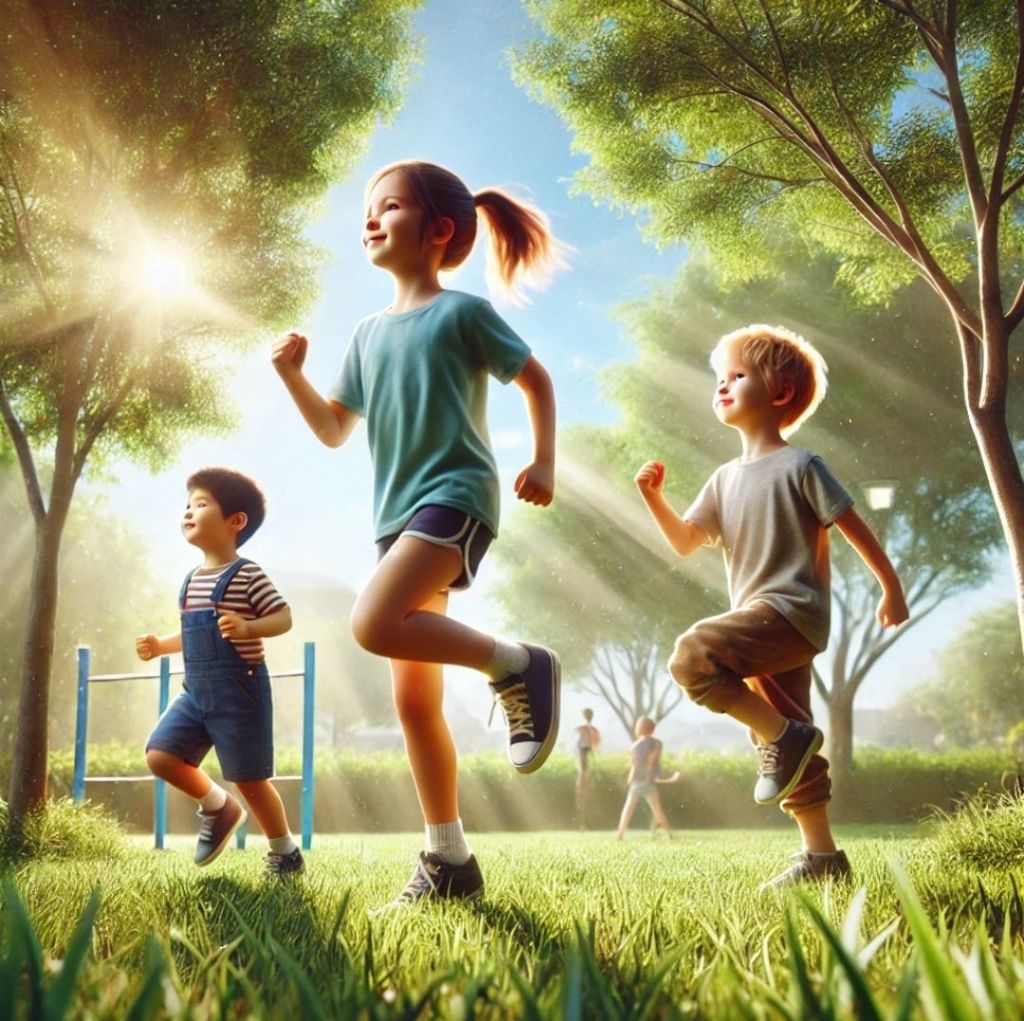
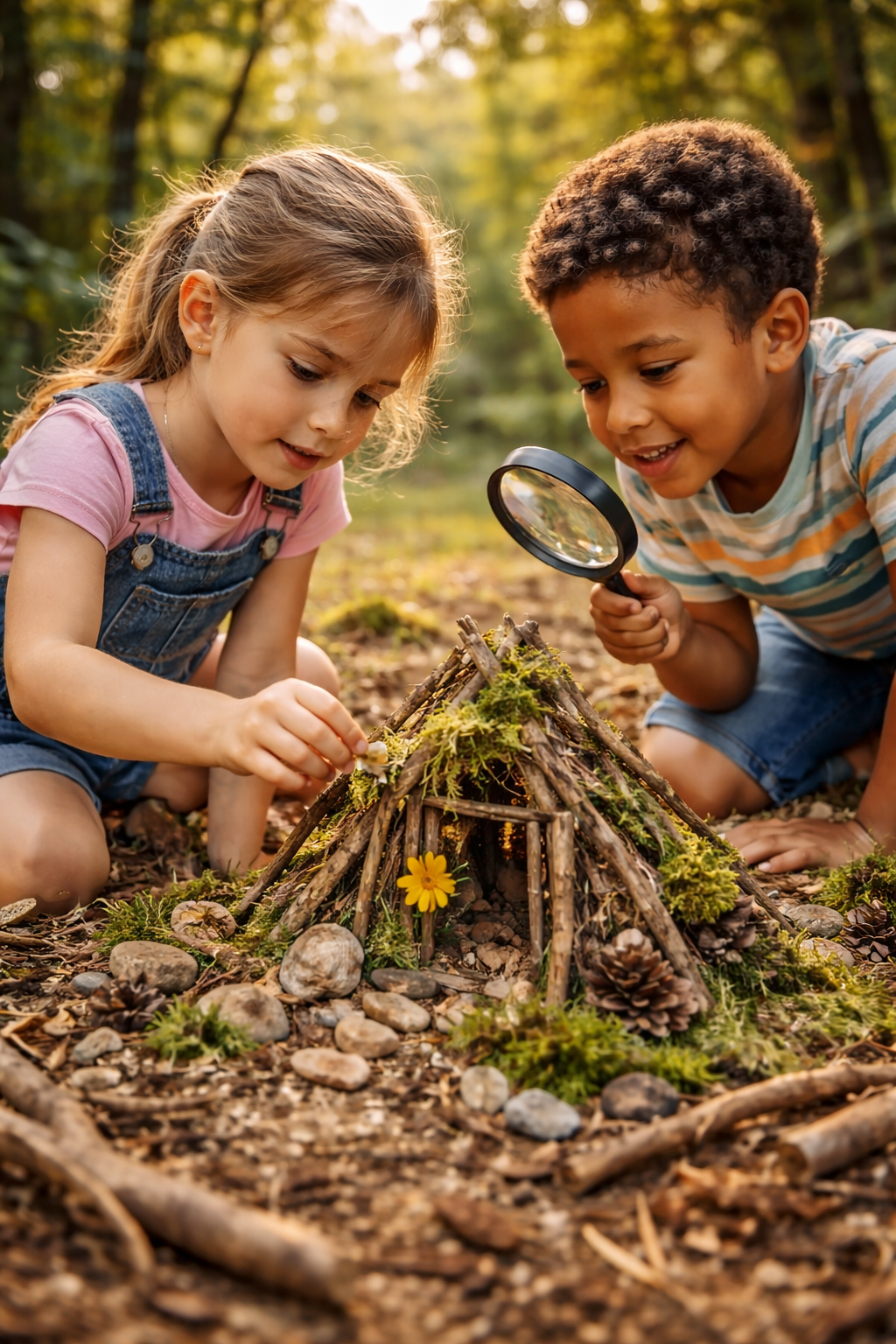
Outdoor play, such as running in the park, climbing trees, or playing tag, provides natural physical activity. These activities improve coordination, balance, and creativity while allowing children to connect with nature.
5.5. Introduce Different Sports and Activities
Expose children to a variety of physical activities to find what they enjoy the most. Some may prefer team sports like soccer or basketball, while others may love individual activities like swimming, gymnastics, or martial arts.
5.6. Involve the Whole Family
Make exercise a family activity by going on hikes, bike rides, or playing outdoor games together. Family involvement makes physical activity enjoyable and helps strengthen family bonds.
5.7. Encourage Walking or Biking to School
If possible, encourage children to walk or bike to school instead of taking the car or bus. This small change can make a big difference in their daily activity levels.
6. Overcoming Barriers to Physical Activity
6.1. Lack of Time
With busy schedules, it can be challenging to fit in exercise. However, even short bursts of activity, such as a 10-minute dance break or a quick game of catch, can make a difference.
6.2. Safety Concerns
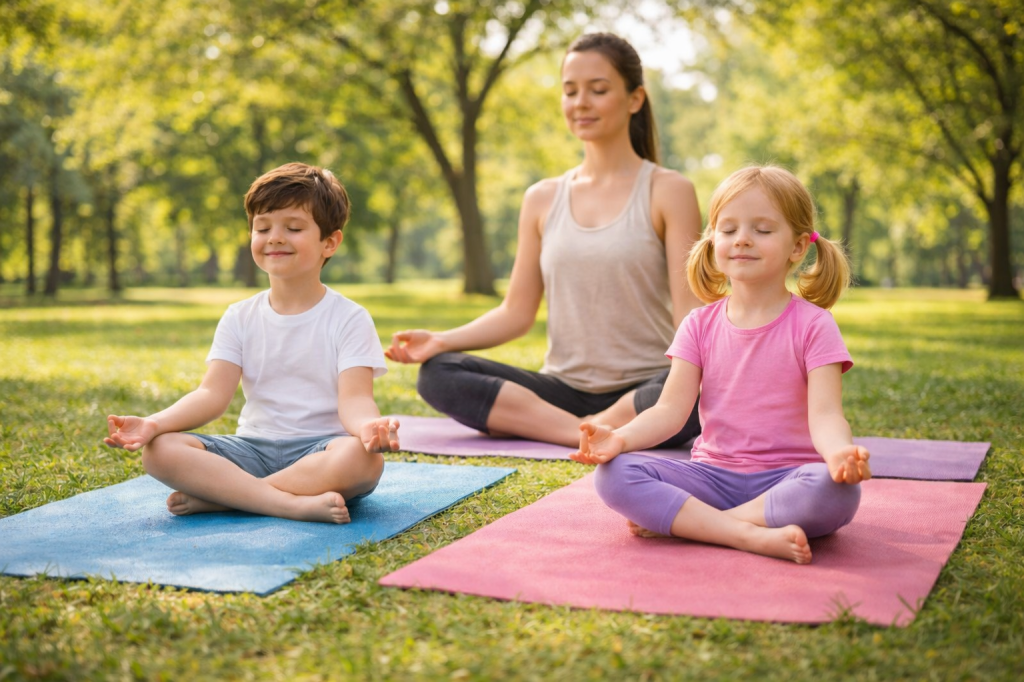
Many parents worry about their child’s safety outdoors. Consider safe play areas, supervised sports programs, or indoor activities like yoga and dance if outdoor play is limited.
6.3. Motivation Issues
If a child is reluctant to exercise, find creative ways to make it enjoyable. Reward systems, fun challenges, or involving friends can help spark their interest.
Conclusion
Regular physical activity is essential for a child’s physical, mental, and social development. It supports healthy growth, strengthens the immune system, enhances cognitive function, and improves emotional well-being. In a world where sedentary habits are becoming more common, it is crucial to encourage movement through fun and engaging activities.
By fostering an active lifestyle from an early age, we can help children develop lifelong healthy habits that will benefit them well into adulthood. So, whether it’s running in the park, playing sports, or dancing to music, let’s encourage our children to move, explore, and enjoy the benefits of an active life!


 Bright Minds Journey
Leave a comment