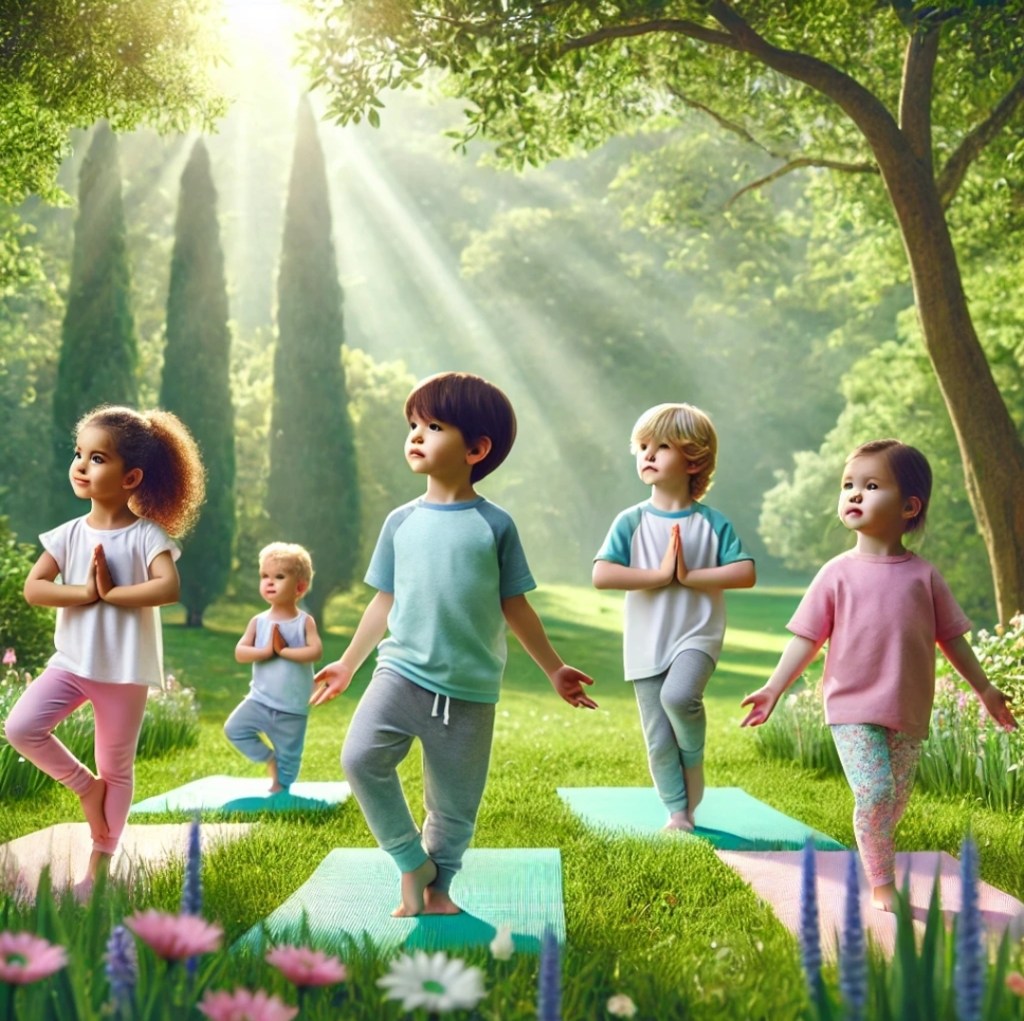
In today’s fast-paced and technology-driven world, children are facing new and unique challenges. From academic pressures to the overstimulation of screens, the modern environment can sometimes be overwhelming. Parents and educators alike are searching for ways to support children’s holistic well-being. One increasingly popular and effective solution is yoga. While many associate yoga with adult fitness and relaxation, it offers a wide range of physical, mental, and emotional benefits for children as well.
In this article, we will explore how yoga can support children’s physical and mental development, why it is beneficial to start early, and how you can introduce yoga to your child in a fun and age-appropriate way.
What Is Yoga?
At its core, yoga is a practice that integrates physical postures (asanas), breathing techniques (pranayama), and mindfulness or meditation. Originating in ancient India over 5,000 years ago, yoga has evolved into a global practice aimed at improving physical health, calming the mind, and fostering inner peace.
For children, yoga is adapted into playful movements and simple breathing techniques that encourage self-awareness, body control, and emotional balance.
Physical Benefits of Yoga for Children
1. Improves Flexibility and Balance
Children are naturally flexible, but incorporating yoga helps them maintain and even enhance that flexibility as they grow. Yoga poses like Downward Dog, Tree Pose, and Cat-Cow stretch different muscle groups, improving overall flexibility. Balance-focused poses, such as Flamingo Pose or Warrior III, enhance coordination and stability.
2. Enhances Strength and Posture
Many yoga poses engage core muscles, which helps children develop better posture and muscular strength. A strong core contributes to proper alignment, reducing the risk of back and neck pain, which can be common as they spend more time sitting at school or using devices.
3. Boosts Motor Skills and Body Awareness
Practicing different poses improves children’s gross motor skills (large body movements) and fine motor skills (precise movements). Yoga also teaches kids how their bodies move in space, increasing proprioception, or body awareness. This can enhance athletic performance and reduce the risk of injury.
4. Promotes Healthy Growth
Yoga stimulates blood circulation and encourages deep breathing, which brings more oxygen to growing tissues and organs. Poses that stretch the spine can support healthy posture and potentially aid in growth. Additionally, yoga improves digestion and metabolism, contributing to overall physical health.
5. Increases Energy Levels
Through gentle movement and controlled breathing, yoga can help children feel more energized and less fatigued. Practicing yoga first thing in the morning or after school can boost energy and combat sluggishness.
Mental and Emotional Benefits of Yoga for Children
1. Reduces Stress and Anxiety
Even young children can experience stress and anxiety, whether due to school demands, social pressures, or personal challenges. Yoga provides a safe space for relaxation and emotional expression. Breathing exercises, like balloon breathing or bumblebee breath, calm the nervous system and lower cortisol levels, helping kids feel more relaxed and secure.
2. Improves Concentration and Focus
Yoga encourages children to focus on their breath, body, and movements. This mindfulness improves attention span and concentration, which can be particularly helpful for children with ADHD or other attention difficulties. Balancing poses, like Tree Pose, require stillness and focus, teaching children to center themselves.
3. Builds Emotional Resilience
Yoga teaches children to be in tune with their feelings and how to manage them. Through mindful movement and breathing, they learn to respond to stress and frustration in healthy ways. Regular practice can help children build emotional resilience, making it easier to handle disappointments, setbacks, and challenges.
4. Enhances Self-Esteem and Confidence
As children master different poses, they gain a sense of accomplishment and confidence. Yoga is non-competitive, so kids can focus on personal growth rather than comparing themselves to others. This fosters self-acceptance and body positivity.
5. Promotes Mindfulness and Emotional Regulation
Mindfulness is a core component of yoga. When children practice being present in the moment, they become more aware of their thoughts and feelings. This awareness helps them regulate emotions, making it easier to stay calm, patient, and empathetic toward themselves and others.
Social Benefits of Yoga for Children
1. Encourages Positive Social Interaction
Group yoga classes offer a sense of community where children can connect, support, and encourage each other. Partner poses and group activities foster teamwork, trust, and cooperation.
2. Teaches Respect and Compassion
Yoga often incorporates lessons about kindness, compassion, and respect for oneself and others. These values extend beyond the yoga mat into daily life, promoting empathy and understanding in social situations.
Yoga and Special Needs Children
Yoga can be particularly beneficial for children with special needs, such as autism, ADHD, sensory processing disorders, and anxiety disorders.
For children with autism, yoga offers predictable routines, which provide comfort and security. The calming effect of breathing exercises and gentle movement can reduce sensory overload and improve social skills.
For children with ADHD, yoga enhances focus, impulse control, and self-regulation. Balancing poses and breathing techniques can help calm hyperactivity.
For children with sensory challenges, yoga helps them become more aware of their bodies and how they move through space. It can improve coordination and ease sensory integration difficulties.
How to Introduce Yoga to Your Child
1. Make It Fun and Playful
For younger children, yoga should be playful and imaginative. Turn poses into animal shapes or adventure stories. For example:
Pretend to be a cat stretching in Cat Pose.
Fly like an airplane in Warrior III.
Slither like a snake in Cobra Pose.
2. Keep Sessions Short and Engaging
Children have shorter attention spans, so start with brief sessions—about 10 to 15 minutes—and gradually increase the time as they show interest.
3. Use Visual Aids and Props
Colorful mats, yoga cards, stuffed animals, or storybooks can make yoga more engaging for kids. Some parents use songs or rhymes to help children remember different poses.
4. Practice Together
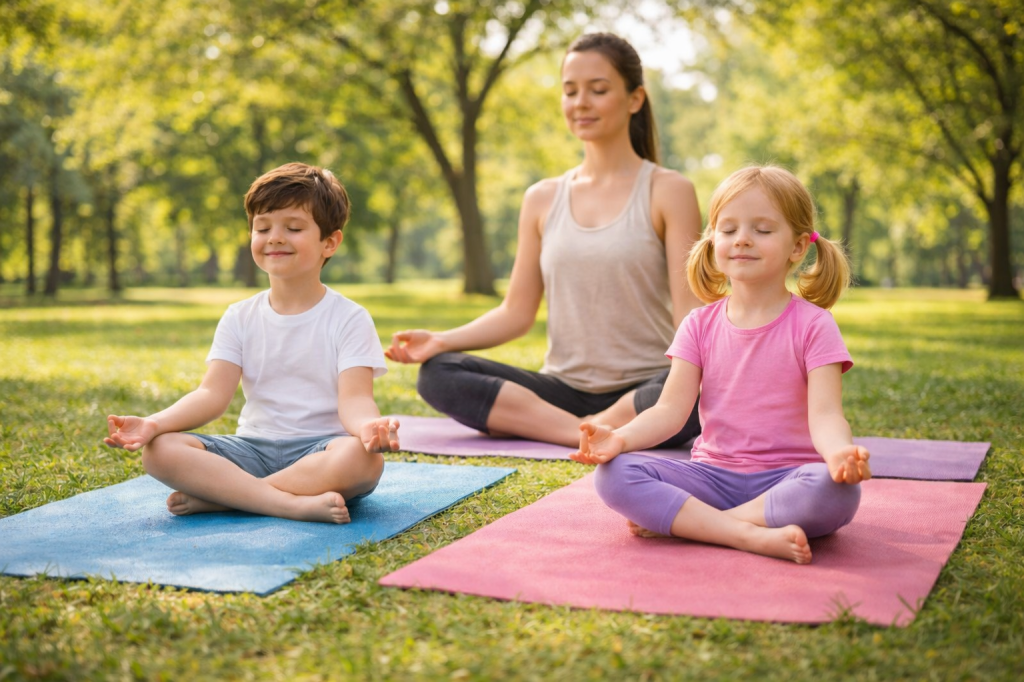
Children often enjoy activities more when they do them with a parent or caregiver. Practicing yoga together sets a positive example and can become a bonding experience.
5. Focus on Breathing
Teach simple breathing exercises that children can use anytime they feel anxious or upset. Examples include:
Balloon Breathing: Inhale deeply through the nose, pretending to fill up a balloon, then exhale slowly.
Bumblebee Breath: Inhale through the nose, then make a gentle humming sound while exhaling.
6. Celebrate Progress, Not Perfection
Yoga is about progress, not perfection. Encourage your child to listen to their body and do what feels right for them. Avoid correcting every movement; instead, celebrate their efforts and improvements.
Age-Appropriate Yoga Suggestions
Preschoolers (Ages 3-5): Keep sessions short, focus on animal poses, and incorporate songs and stories. Encourage free movement and playfulness.
Early Elementary (Ages 6-8): Introduce simple sequences and breathing exercises. Teach them basic mindfulness through guided relaxation at the end of class.
Tweens (Ages 9-12): Include more challenging poses, teach simple meditation, and explain the benefits of mindfulness and breath control. Encourage self-reflection and journaling after practice.
Creating a Calm Space for Yoga at Home
You don’t need a fancy studio to practice yoga with your child. Here are a few tips to create a peaceful environment:
Choose a quiet room with minimal distractions.
Use soft lighting or natural light.
Play calm background music or nature sounds.
Provide a comfortable mat or blanket for practice.
Encourage your child to help set up the space so they feel ownership and excitement.
Conclusion: Why Yoga Matters for Children’s Development
Yoga is more than just exercise; it’s a powerful tool for fostering physical health, emotional balance, and mental clarity in children. Starting yoga at a young age builds a strong foundation for lifelong wellness, teaching kids how to connect with their bodies, manage their emotions, and navigate life’s challenges with confidence and grace.
By integrating yoga into your child’s routine—even just a few minutes a day—you’re giving them the gift of self-awareness, resilience, and inner peace. Whether practiced at home, in school, or in a community class, yoga can support children in becoming healthier, happier, and more balanced individuals.
Final Thought
If you’re considering introducing yoga to your child, start small, be patient, and most importantly—have fun! Every breath and pose is a step toward helping your child grow into their best self.





 Bright Minds Journey
Leave a comment