Storytelling has been a part of human culture since the dawn of time. Before the written word, stories were the primary way to pass on knowledge, traditions, and values from generation to generation. For children, storytelling is not only a source of entertainment but also a powerful tool that nurtures their development on multiple levels. In this article, we explore how storytelling can support children’s cognitive, emotional, social, and language development, and why it remains a valuable practice for parents and educators in the modern world.
1. The Cognitive Benefits of Storytelling
Boosting Imagination and Creativity
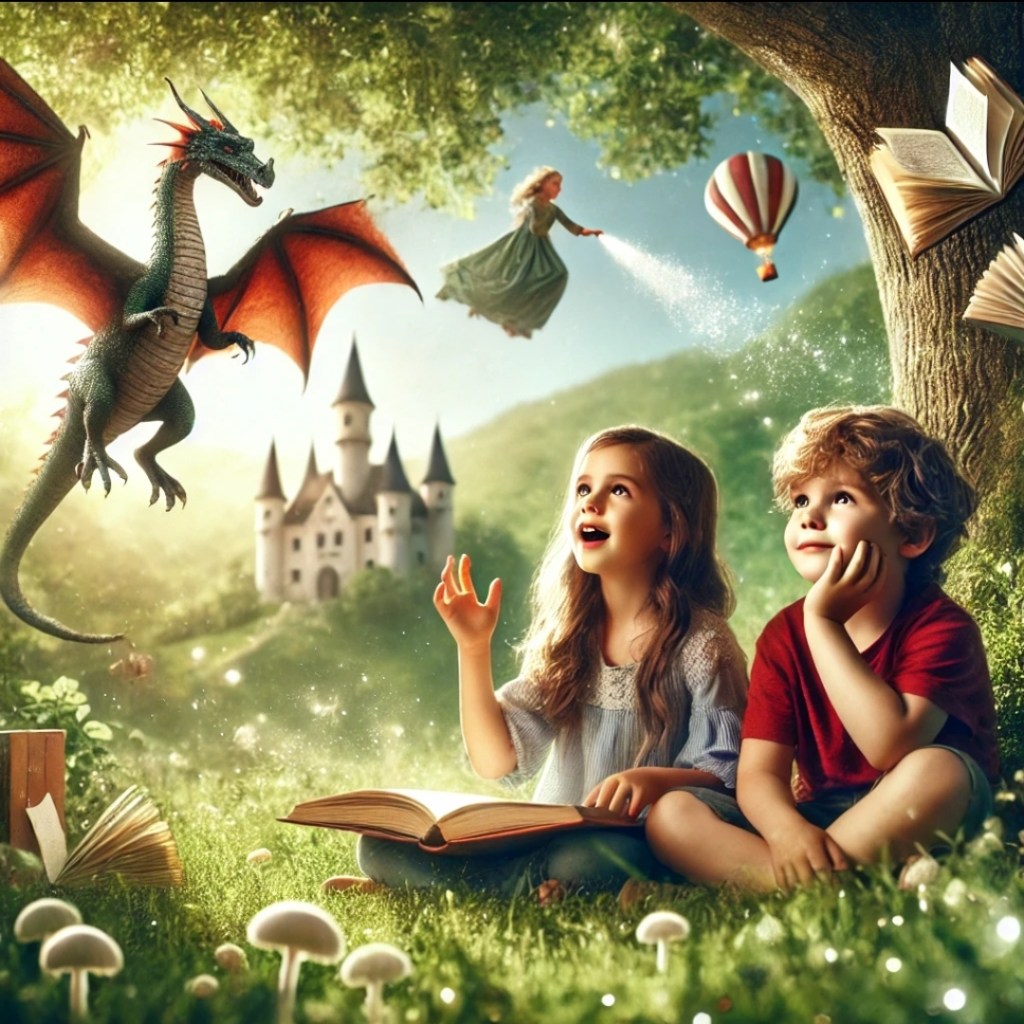
When children listen to stories, they are transported to different worlds, times, and places. They imagine the characters, the settings, and the events as they unfold. This process of visualization fuels their creativity and encourages them to think beyond their immediate environment. Whether it’s picturing a dragon flying over a kingdom or a child finding a magical treasure, storytelling inspires children to create their own worlds in their minds.
Enhancing Concentration and Attention Span
Listening to a story requires children to focus and follow a sequence of events. This improves their attention span and ability to concentrate for extended periods. Unlike fast-paced digital media, storytelling often unfolds at a slower pace, encouraging children to listen attentively and absorb the details.
Developing Critical Thinking and Problem-Solving Skills
Many stories involve challenges, conflicts, and resolutions. As children engage with these narratives, they learn to anticipate what might happen next and consider different outcomes. Stories that include moral dilemmas or difficult decisions can prompt children to think critically about what they would do in similar situations.
Supporting Memory and Sequencing Skills
When children recall stories they have heard, they practice remembering sequences of events, characters, and key details. This strengthens their memory and helps them understand the concept of sequencing, which is an important cognitive skill. Retelling a story also reinforces their understanding of narrative structure.
2. The Emotional Benefits of Storytelling
Building Empathy and Understanding
Stories often feature characters who experience a range of emotions, from joy and excitement to sadness and fear. By listening to these experiences, children learn to empathize with others. They begin to understand that people may feel differently in various situations, fostering emotional intelligence.
For example, when a child hears a story about a lonely boy who finds a friend, they can connect with feelings of loneliness and the happiness that comes with companionship. These emotional connections help children develop compassion and kindness.
Helping Children Process Their Own Emotions
Children may sometimes struggle to express or understand their own feelings. Stories that deal with emotions and challenges—such as fear of the dark, starting school, or coping with loss—provide a safe space for children to explore these topics. Hearing how characters navigate their emotions gives children tools and language to talk about their own experiences.
Building Confidence and Self-Esteem
Stories featuring brave, resourceful characters can inspire children to believe in themselves. Hearing tales of perseverance, courage, and problem-solving can boost a child’s confidence and encourage them to face their own challenges with optimism. Additionally, when children are given the opportunity to tell their own stories, they feel valued and heard, further supporting their self-esteem.
3. The Social Benefits of Storytelling
Encouraging Communication and Listening Skills
Storytelling is inherently a social activity. Whether it’s a parent reading to a child at bedtime or a group of children listening to a storyteller, it encourages active listening and fosters communication. As children ask questions or discuss the story afterward, they practice expressing their ideas, opinions, and emotions.
Fostering Cooperation and Group Participation
In group settings, storytelling often leads to discussions, role-playing, or collaborative storytelling. These activities encourage children to work together, share ideas, and take turns. They learn to listen to others and appreciate different perspectives, which are essential social skills.
Transmitting Cultural Values and Traditions
Stories often reflect cultural beliefs, values, and traditions. Sharing folktales or family stories helps children connect with their heritage and understand cultural diversity. It fosters a sense of belonging and identity while also promoting respect for other cultures and viewpoints.
4. The Language Development Benefits of Storytelling
Expanding Vocabulary and Language Skills
Listening to stories introduces children to new words, phrases, and expressions. They hear how sentences are structured and how language can be used creatively. Exposure to rich and varied language through storytelling helps children build their vocabulary and understand language in context.
Improving Listening and Comprehension
As children listen to stories, they practice understanding and interpreting language. They learn to follow complex sentences, pick up on tone and meaning, and grasp the overall message of the narrative. These listening skills are crucial for academic success and effective communication.
Supporting Early Literacy
Storytelling lays the foundation for reading and writing skills. It helps children recognize story structures, such as beginnings, middles, and endings, and understand concepts like characters, setting, and plot. As they become familiar with these narrative elements, they are better prepared to read independently and write their own stories.
Encouraging Verbal Expression
Retelling stories or creating their own allows children to practice speaking clearly and confidently. It helps them organize their thoughts and express themselves coherently. This practice strengthens their oral communication skills, which are essential in both academic and social contexts.
5. Storytelling in Different Forms and Settings
Oral Storytelling
Traditional oral storytelling is one of the oldest and most effective ways to engage children. The storyteller uses voice, facial expressions, and gestures to bring the story to life. This form of storytelling fosters a direct connection between the storyteller and the listener, making it highly interactive and engaging.
Reading Aloud
Reading books aloud to children combines the benefits of storytelling with exposure to written language. It allows children to see the text while hearing the story, supporting both listening and reading skills. Picture books, in particular, add a visual element that enhances comprehension.
Puppet Shows and Role-Play
Using puppets or engaging in role-play can make storytelling more dynamic and fun. Children can participate by voicing characters or acting out scenes, which encourages active involvement and creative expression.
Digital Storytelling
Technology offers new ways to tell stories through audiobooks, interactive apps, and animated videos. While digital storytelling should be balanced with traditional methods, it can provide an additional layer of engagement, especially for tech-savvy children.
6. How Parents and Educators Can Foster Storytelling
Create a Storytelling Routine
Set aside time each day for storytelling, whether it’s during bedtime, circle time, or after school. Consistency helps children look forward to this special time and makes storytelling a regular part of their day.
Encourage Children to Tell Their Own Stories
Give children opportunities to share their own experiences or make up stories. Ask open-ended questions to prompt their imagination, such as “What would happen if you found a magic key?” or “Tell me about your favorite adventure.”
Use Props and Visuals
Props, pictures, and storyboards can make storytelling more interactive and help children visualize the story. For younger children, using toys or puppets can make the experience even more enjoyable.
Model Expressive Storytelling
When telling a story, use different voices for characters, vary your tone, and add gestures to make the narrative more exciting. Expressive storytelling captures children’s attention and makes the experience memorable.
Choose Age-Appropriate Stories
Select stories that match the child’s age, interests, and developmental level. For very young children, simple stories with repetition and rhyme work well. For older children, more complex plots and themes can be introduced.
7. The Lasting Impact of Storytelling on Children’s Development
Storytelling is much more than a bedtime ritual or a classroom activity. It plays a vital role in shaping how children think, feel, and interact with the world around them. Through stories, children learn about themselves, others, and the broader human experience. They develop critical cognitive and language skills, build empathy and emotional intelligence, and strengthen their social connections.
In today’s fast-paced world, where screens and technology often dominate, the simple act of telling a story can provide children with a sense of comfort, connection, and wonder. It reminds them of the power of imagination and the beauty of human connection through words.
By embracing storytelling in homes and classrooms, parents and educators can give children one of the most powerful gifts: the love of stories and the skills they foster. Whether through traditional tales, family stories, or creative adventures, storytelling remains a timeless tool that nurtures children’s minds and hearts.







 Bright Minds Journey
Leave a comment