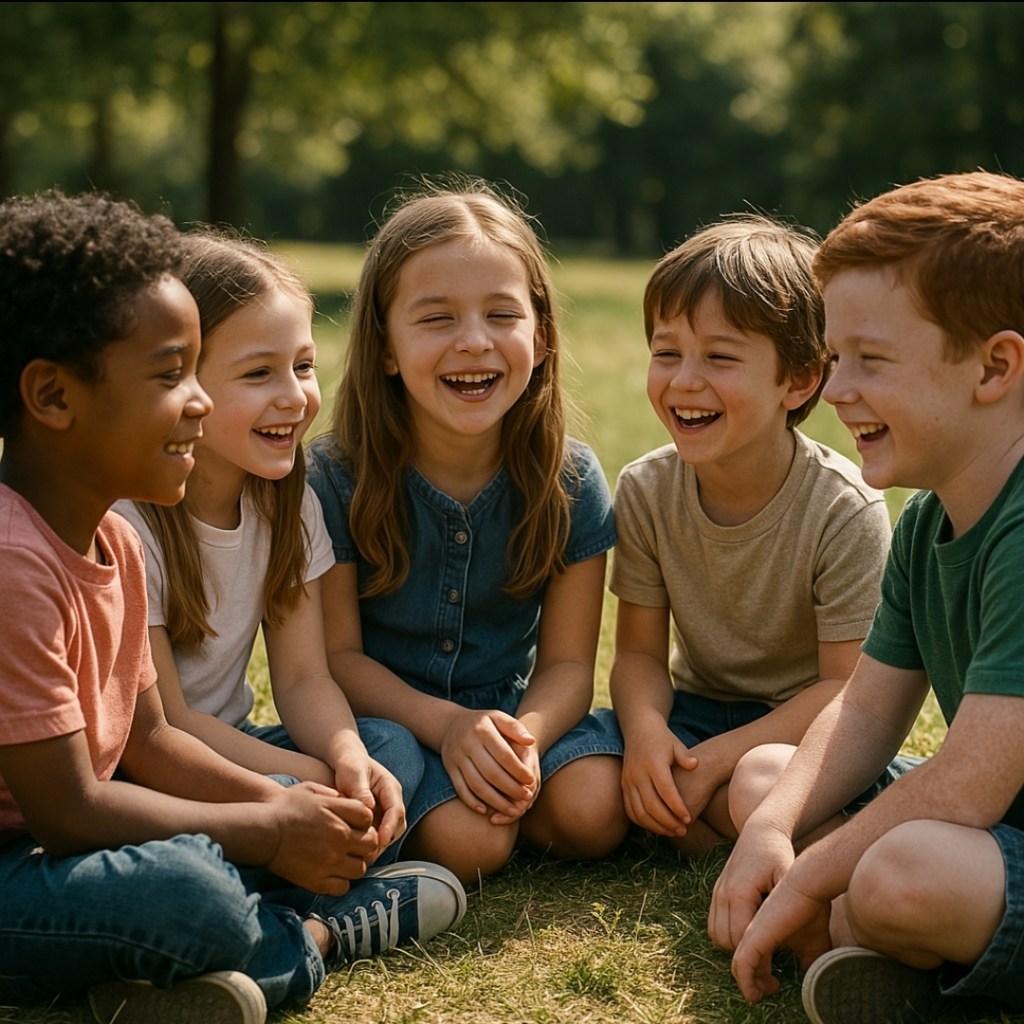
Making friends is a vital part of childhood development. Through friendships, children learn essential life skills such as empathy, cooperation, conflict resolution, and communication. While some kids naturally gravitate toward social interaction, others may find it challenging to form and maintain friendships. As parents, caregivers, or educators, we play a critical role in helping children navigate these social experiences. This article explores how we can support children in making friends and building meaningful connections with their peers.
Why Friendships Matter in Childhood
Friendships contribute to a child’s overall well-being in numerous ways. They help children:
Feel a sense of belonging
Develop social and emotional skills
Improve communication abilities
Build confidence and self-esteem
Learn how to navigate social dynamics
Experience joy and shared experiences
Children with strong social connections tend to perform better in school, cope more effectively with stress, and develop better mental health outcomes over time. That’s why fostering these relationships early on is so important.
Understanding the Challenges
Before we can help, it’s essential to understand the obstacles some children face when trying to make friends:
Shyness or social anxiety
Lack of confidence
Communication difficulties
Different interests or hobbies
Cultural or language barriers
Past experiences of rejection or bullying
Neurodiversity or developmental differences
Each child’s situation is unique, and there is no one-size-fits-all approach. The key is to offer support that is empathetic, patient, and tailored to the child’s personality and needs.
Strategies to Help Children Build Friendships
1. Model Positive Social Behavior
Children learn a lot by observing the adults around them. Demonstrate kindness, respect, and effective communication in your daily interactions. Let them see how you greet others, express appreciation, resolve conflicts calmly, and include people in conversations.
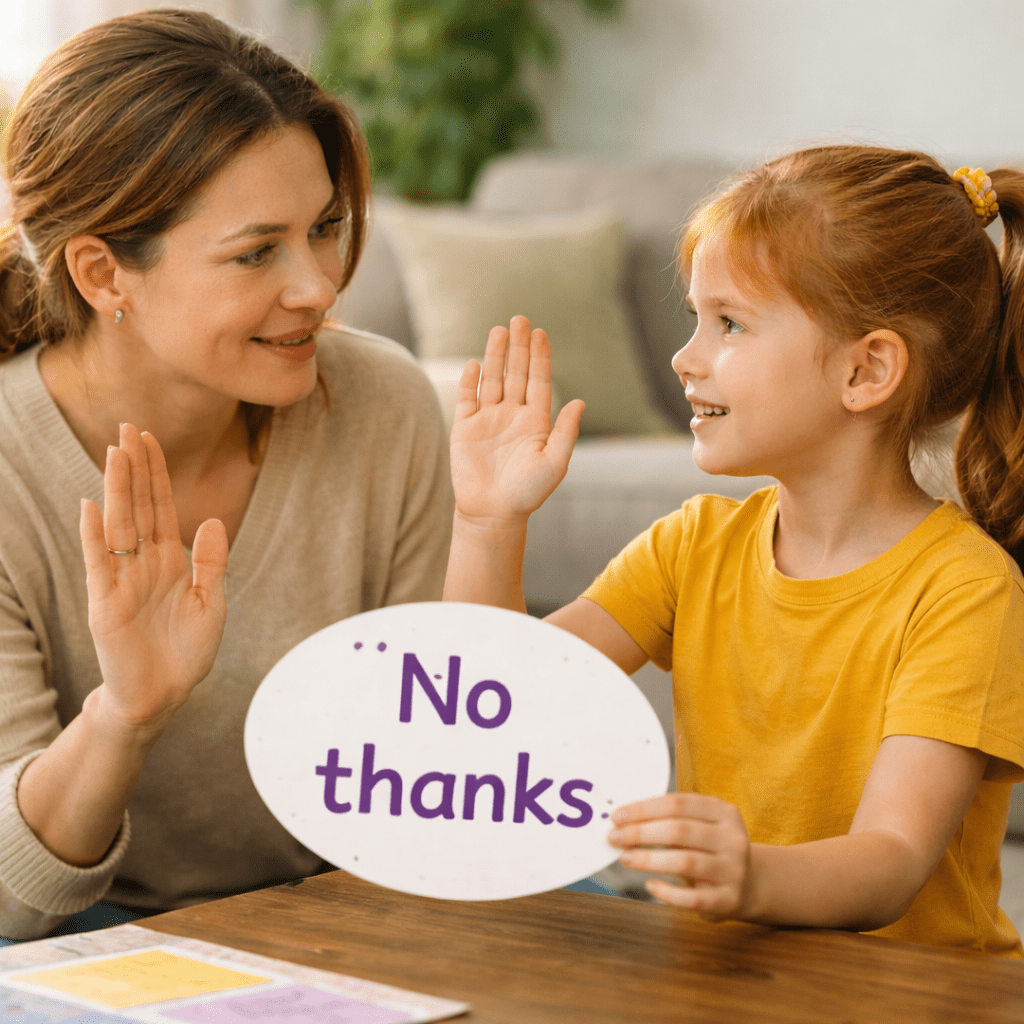
You can also role-play situations with your child, such as introducing themselves, asking someone to play, or handling disagreements. Practicing these scenarios builds their confidence and prepares them for real-life situations.
2. Create Opportunities for Social Interaction
Children need chances to interact with peers regularly. Consider the following:
Playdates with classmates or neighbors
Joining local clubs, classes, or sports teams
Participating in after-school programs
Attending community events or library storytimes
The more social exposure they get, the more comfortable and skilled they become in interacting with others.
3. Teach Empathy and Perspective-Taking
Understanding how others feel is essential to forming strong friendships. Help children recognize emotions in themselves and others through:
Reading books with social themes and discussing the characters’ feelings
Watching shows together and talking about different perspectives
Asking open-ended questions like “How do you think she felt when that happened?”
You can also encourage them to notice when a peer might need help or support and brainstorm kind ways to respond.
4. Encourage Shared Activities and Interests
Friendships often blossom when kids find something in common. Help your child discover activities they enjoy and that are often shared with others, such as:
Drawing or crafting
Playing board games
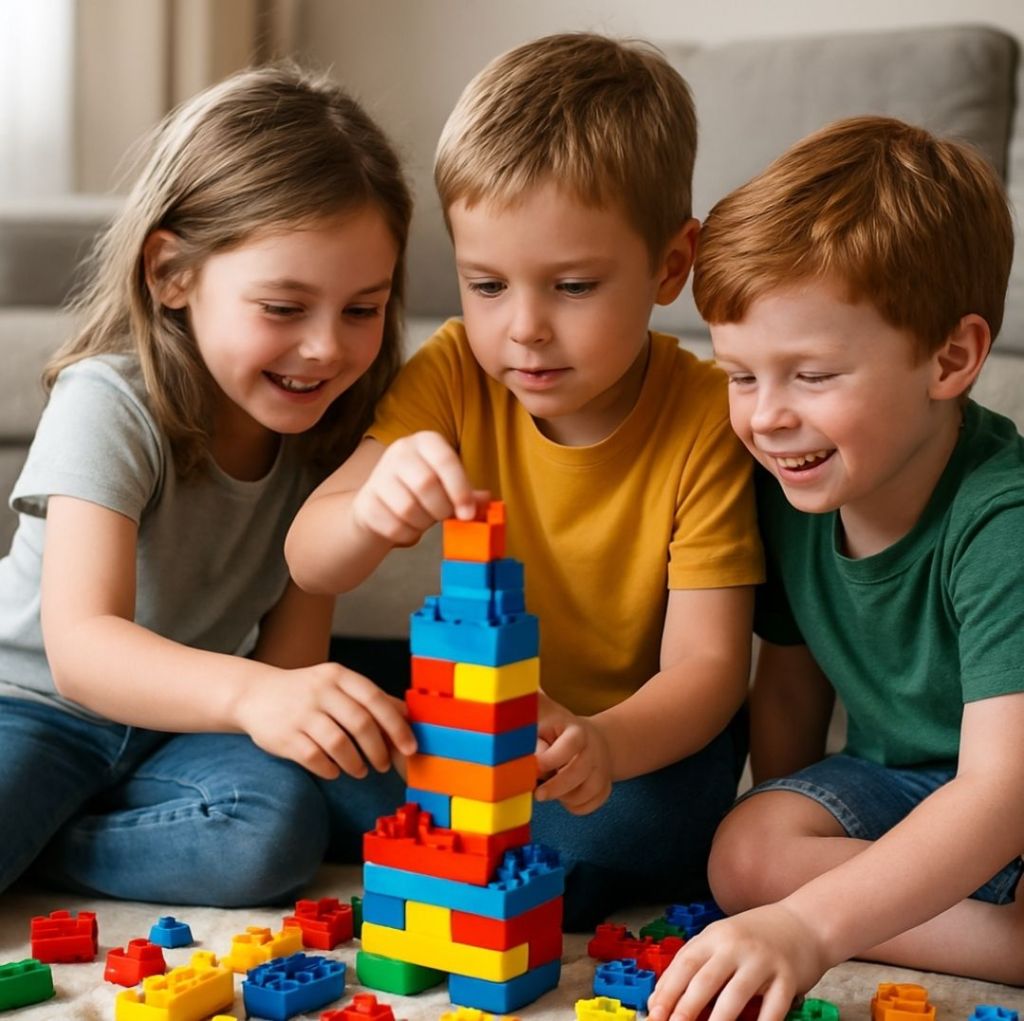
Building with blocks or LEGO
Participating in music or dance
Playing sports or outdoor games
These shared interests can make it easier to connect with peers and start conversations.
5. Support Communication and Conversation Skills
Sometimes, children struggle with how to start or maintain a conversation. You can help by:
Teaching simple conversation starters (“Hi, my name is…”, “Do you want to play?”)
Practicing turn-taking in conversations
Emphasizing listening as much as talking
Encouraging questions to learn more about others
Celebrate small wins, like saying hello to a new classmate or asking someone to join them in a game.
6. Help Them Handle Rejection and Setbacks
Not every social interaction will go smoothly, and that’s okay. Children need to learn that rejection, disagreements, and misunderstandings are part of life.
Help your child process these experiences by:
Validating their feelings (“I know that was disappointing.”)
Reframing the situation (“Maybe they were just having a rough day.”)
Encouraging resilience and trying again
Let them know that building friendships takes time and that it’s okay to make mistakes along the way.
7. Use Stories and Media to Teach Social Skills
Books and stories can be powerful tools for teaching social dynamics. Choose stories where characters:
Meet new friends
Overcome social difficulties
Learn to share or cooperate
Handle jealousy or conflict
After reading, ask questions like, “What would you do if you were in that situation?” or “Have you ever felt like that?”
Some great book examples include:
“How Do Dinosaurs Play with Their Friends?” by Jane Yolen
“Enemy Pie” by Derek Munson
“The Invisible Boy” by Trudy Ludwig
8. Foster a Positive Self-Image
Children who feel good about themselves are more likely to take social risks and approach others. Encourage your child’s strengths and celebrate their efforts, not just outcomes.
Avoid labeling them as “shy” or “quiet” in a negative way. Instead, highlight their unique qualities and the value they bring to a friendship, such as being a good listener or having a creative imagination.
9. Stay in Communication with Teachers and Caregivers
Your child’s teacher or caregiver can offer insight into their social life at school. Ask questions like:
“Who does my child tend to play with?”
“Are there any concerns about their social interactions?”
“What strengths do you see in how they relate to others?”
Working together, you can identify opportunities to support your child both at home and in the classroom.
10. Recognize and Support Individual Differences
Some children may find friendships more challenging due to neurodiversity, learning differences, or other developmental needs. In these cases:
Be patient and avoid pressure
Break social goals into smaller, manageable steps
Consider professional support, such as social skills groups or counseling
Celebrate progress in their own time and way
All children can benefit from friendships, even if they express or experience them differently.
Friendship-Building Games and Activities
Interactive games can provide a safe and fun environment for practicing social skills. Here are some ideas:
“Get to Know You” Ball Toss: Write questions like “What’s your favorite animal?” or “What do you like to do after school?” on a beach ball. Toss it around, and each child answers the question under their hand when they catch it.
Team Challenges: Games like building a tower with blocks or solving a scavenger hunt in pairs help children cooperate and communicate.
Role-Play Scenarios: Use puppets or props to act out social situations such as asking to join a game or resolving a disagreement.
Compliment Circle: Sit in a circle and have each child give a compliment to the person next to them. This boosts confidence and promotes kindness.
Board Games with Turns: Games like Uno, Guess Who, or Connect 4 help children learn patience, rule-following, and friendly competition.
These types of activities not only support social growth but also provide joyful shared experiences that can become the foundation of friendships.
Helping Children Navigate Difficult Friendships
Not all friendships are positive. Sometimes children form connections that may be unbalanced, manipulative, or hurtful. Signs of an unhealthy friendship include:
The child feels excluded or controlled
There is name-calling or mocking
One child always “wins” or makes all the decisions
The friendship causes more anxiety than joy
If you notice these signs, talk gently with your child. Avoid criticizing their friend directly. Instead, ask questions like:
“How do you feel when you’re with them?”
“Do you feel like you can be yourself?”
“What do you like most about that friendship?”
Help your child reflect on what a good friend looks and feels like. Encourage them to set boundaries or take space if needed. Over time, they’ll learn to recognize and choose healthier relationships.
Supporting Shy or Introverted Children Long-Term
Introverted or shy children may take longer to warm up to others, but they are fully capable of forming deep, lasting friendships. Some long-term tips include:
Respect their pace: Don’t rush social interactions. Let them approach others in their own time.
Create calm social spaces: Small group activities or one-on-one playdates may feel safer than loud, busy settings.
Help them prepare: Before social events, talk through what to expect and even rehearse a few things they could say.
Celebrate effort: A simple “hello” or smile can be a big step—acknowledge and praise these moments.
Stay consistent: The more familiar they become with certain children or settings, the more relaxed they’ll feel.
Your steady support gives them the courage and comfort they need to connect with others authentically.
When to Seek Additional Support
If your child seems consistently lonely, anxious, or isolated despite your efforts, it may be helpful to talk to a pediatrician, school counselor, or child psychologist. Early support can make a big difference in your child’s social and emotional development.
Signs to watch for include:
Ongoing sadness or withdrawal
Frequent conflicts with peers
Difficulty interpreting social cues
Low self-esteem or harsh self-criticism
Expressing feelings of loneliness or hopelessness
Professionals can help identify any underlying issues and recommend effective strategies or therapy options.
Final Thoughts
Helping children make friends isn’t about forcing them into social situations or expecting them to be extroverts. It’s about guiding them with empathy, patience, and encouragement as they build the skills they need to connect with others. Every child deserves to feel included, accepted, and supported as they learn to form lasting friendships.
By modeling kindness, offering opportunities, and teaching essential social-emotional skills, we can empower our children to build meaningful relationships and grow into confident, compassionate individuals.




 Bright Minds Journey
Leave a comment