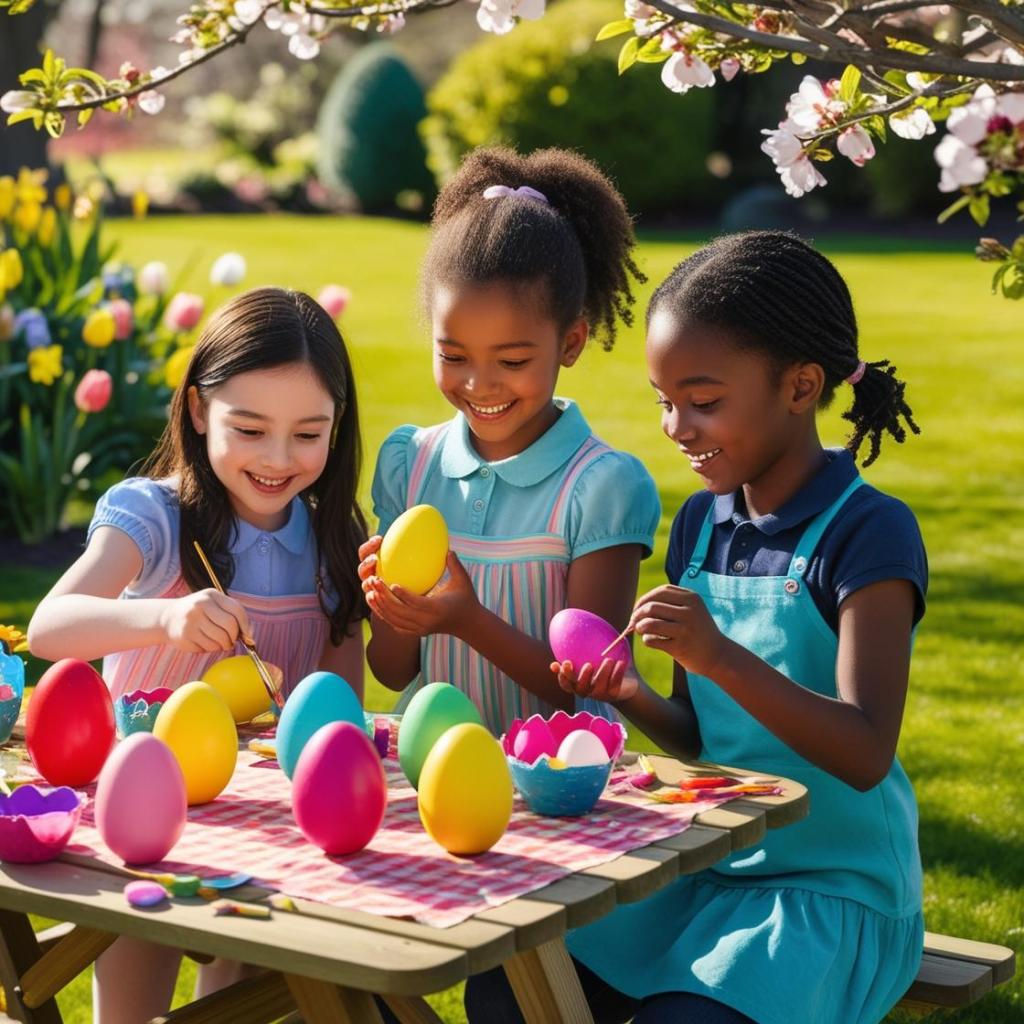
Easter is a time of renewal, joy, and togetherness. As spring blossoms around us, many families gather to celebrate with festive meals, colorful eggs, and joyful activities. But amid the chocolate bunnies, plastic eggs, and store-bought decorations, it’s easy to overlook the impact these traditions may have on our environment.
The good news? Easter can be just as magical—if not more—when celebrated in an eco-conscious way. In fact, involving children in simple, sustainable activities can not only reduce waste but also plant the seeds of environmental awareness that grow with them for life.
In this article, we’ll explore what a “green Easter” means, why it matters, and how families with young children can embrace meaningful, planet-friendly practices without sacrificing fun.
Why Think Green This Easter?
Holidays often come with increased consumption—more packaging, more travel, more plastic toys. While the celebration itself is precious, the environmental footprint it leaves behind is often less so.
Here are just a few reasons to consider a more eco-conscious approach to Easter:
- Plastic Waste: From plastic egg fillers to candy wrappers, Easter is notorious for single-use plastic.
- Overconsumption: Many households purchase decorations, toys, and gifts that are used only once, then tossed.
- Hidden Costs: Cheap toys and treats often come from unsustainable production chains, impacting workers and the planet.
Teaching kids that holidays don’t have to mean excess—but can be rich in creativity, meaning, and connection—is one of the most powerful lessons we can give.
Sustainable Easter Traditions: Ideas for a Greener Celebration
Creating eco-friendly traditions is easier than you might think. These ideas are designed to be simple, low-cost, and fun for preschool and elementary-aged children, while also reducing your environmental footprint.
1. Natural Egg Dyeing: From Your Kitchen to the Basket
Skip the synthetic dye kits and try coloring eggs with natural ingredients! Red cabbage, turmeric, onion skins, spinach, and beet juice are just a few examples of nature’s palette. Kids love experimenting with colors, and it’s a wonderful opportunity to talk about where colors come from in the natural world.
Tip: Use old clothes or aprons during the process—natural dyes can stain just as beautifully as synthetic ones!
2. Reusable Baskets and Bags
Instead of plastic baskets or disposable packaging, opt for reusable alternatives:
- Woven baskets from thrift stores
- Cloth bags children can decorate and reuse yearly
- Wooden crates or old boxes transformed with a little paint and imagination
Let your child personalize their Easter basket each year—it becomes a creative tradition and a cherished keepsake.
3. Eco-Friendly Egg Hunts
Plastic eggs are a common sight, but they often break or end up lost in the yard. Try these alternatives:
- Wooden eggs that can be painted and reused
- Fabric eggs sewn from scraps (great for older kids who enjoy crafts!)
- Cardboard egg containers repurposed for treasure hunts
If you do use plastic eggs, make them last—store them safely and reuse them every year.
Fill them with:
- Mini challenges or clues
- Nature-based treasures like stones, pressed flowers, or “plant a seed” kits
- Homemade coupons (“One extra story at bedtime,” “Bake cookies together,” etc.)
4. Sustainable Gifting: Less Stuff, More Meaning
Rather than filling baskets with candy and trinkets, consider:
- Books (especially secondhand or eco-themed ones)
- Seeds for planting flowers or herbs
- DIY craft kits
- A handwritten note from the “Easter Bunny” with a kind message
- Tickets or coupons for family experiences
Focus on gifts that create memories or spark creativity—these often last much longer than chocolate bunnies.
5. Nature-Inspired Crafts and Decorations
Store-bought décor can be colorful, but handmade decorations are more personal and often more eco-friendly.
Try:
- Leaf and flower stamping
- Egg carton chicks
- Paper garlands made from recycled art
- Upcycled tin can planters
- Clay or salt dough ornaments shaped like bunnies, flowers, or eggs
Using what you already have fosters creativity and teaches children the value of reusing.
6. Green Treats: Homemade and Healthier
Bake Easter-themed cookies, cupcakes, or energy bites with your kids instead of buying packaged candy. Use organic ingredients, locally sourced eggs and butter if possible, and skip plastic packaging altogether.
Fun ideas:
- Bunny-shaped pancakes for breakfast
- “Carrot patch” snack cups with hummus and veggie sticks
- Trail mix with dried fruit and seeds in reusable containers
- Natural fruit dyes in icing (spinach for green, beet for pink)
7. Mindful Storytelling and Conversations
Easter is also a great time to reflect on renewal, growth, and kindness. Share stories with your children that connect these values to caring for the Earth.
You might talk about:
- The life cycle of plants and animals
- How spring signals a fresh start in nature
- Why it’s important to take care of our planet as part of our family traditions
Children absorb values through stories and rituals—so make sustainability part of your Easter narrative.
8. Plan a Nature Walk or Clean-Up
Celebrate Easter by going on a spring nature walk, collecting signs of the season: new flowers, budding trees, bird calls. Turn it into a scavenger hunt!
Or spend part of the day doing a small clean-up in a park or neighborhood. Even 20 minutes makes a difference and helps kids feel empowered.
Nature hunt checklist ideas:
- Spot a bee or butterfly
- Find three shades of green
- Listen for a bird song
- Look for new flower buds
9. Make Your Own Plantable Paper
If you have old paper scraps, try making seed paper! Blend paper bits with water, mix in flower seeds, and shape the pulp into flat forms to dry. These can be used as decorations or gifts—plant them later to grow wildflowers!
It’s a fun sensory craft for kids and teaches them the magic of giving something back to nature.
10. Create a “Kindness Tree” or “Gratitude Garden”
Use branches in a vase or a cardboard cutout of a tree, and let kids hang leaves or flowers made from paper, each with a written act of kindness or something they’re thankful for.
This helps children connect Easter with positive emotions, mindfulness, and care for others—including the Earth.
Involving Kids in the Process
Children love to feel included and capable. Letting them help plan and create a sustainable Easter strengthens their sense of responsibility and connection to nature. They’re more likely to embrace eco-friendly habits when they’re part of shaping them.
Let them:
- Choose which activities or crafts to do
- Help set up and decorate the home
- Assist in baking or planting
- Talk about ways to reduce waste
These small decisions build lifelong habits in a gentle, joyful way.
Teaching Through Tradition
Even one or two small changes each year can lead to a completely different approach over time. When children grow up with traditions that balance celebration with care for the Earth, they carry those values forward into the rest of their lives.
They also learn that doing things differently can be fun, exciting, and more meaningful.

Final Thoughts: Choosing a Meaningful Easter
A green Easter doesn’t mean giving up fun—it means redefining it. It means making space for laughter, creativity, and shared experience without excess waste. It’s about celebrating spring in a way that gives back to the planet that makes it all possible.
So this year, whether you make your own decorations, skip the plastic eggs, bake together instead of buying candy, or simply take a moment to notice nature waking up—know that every choice matters.
And in the heart of all these simple traditions, something powerful happens: Easter becomes not only a celebration of spring but a celebration of a better future.



 Bright Minds Journey
Leave a comment