
In the world of childhood development, art is often seen as a fun activity, a way for kids to keep their hands busy and their imaginations flowing. But beyond the vibrant colors, playful shapes, and creative messes lies something much deeper: the powerful role of art in helping children understand and express their emotions. From joyful scribbles to heartfelt paintings, artistic expression offers a safe and meaningful outlet for children to navigate their inner world.
Why Emotional Expression Matters in Childhood
Emotions are a fundamental part of human life. For children, however, emotions can often be confusing, overwhelming, or difficult to articulate. Unlike adults, children are still developing the language and cognitive tools needed to process complex feelings such as sadness, frustration, anxiety, or even excitement.
Without healthy ways to express these emotions, children may become withdrawn, exhibit behavioral issues, or struggle with anxiety and low self-esteem. That’s why encouraging emotional expression early on is essential. It helps children build emotional intelligence, develop empathy, and foster resilience.
Art as a Universal Language
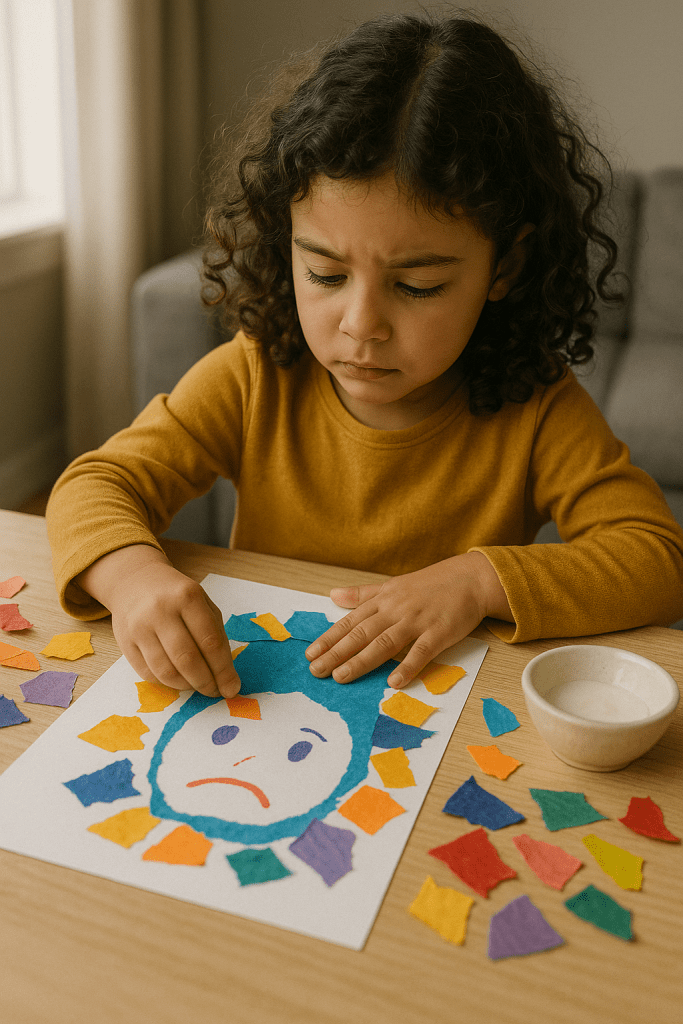
Art is a language that transcends words. A child who may not yet have the vocabulary to explain how they feel can use colors, shapes, and images to tell their story. A red scribble might represent anger; a series of swirling blues could represent sadness or calm. There is no right or wrong way to make art—only the child’s unique way of expressing what’s inside.
This non-verbal form of communication is especially beneficial for:
Children with speech delays or developmental disorders.
Children from multicultural or bilingual households.
Highly sensitive children who may struggle with direct communication.
The Benefits of Artistic Expression in Childhood
Let’s take a closer look at how art supports children emotionally:
1. Creating a Safe Space
When children are given a judgment-free space to create, they feel safe. This safety allows them to explore emotions they might otherwise suppress. Whether drawing after a tough day at school or painting during a quiet moment, art provides a space where all feelings are valid and welcome.
2. Building Emotional Vocabulary
Through artistic experiences, especially when guided by an adult who helps name emotions, children begin to associate feelings with visual expressions. For example, after drawing a stormy scene, a child might say, “This is when I was mad.” Over time, these visual-emotional connections help children build the vocabulary and confidence to express themselves with words too.
3. Managing Stress and Anxiety
Art has a naturally calming effect on the nervous system. The rhythmic act of coloring, painting, or molding clay can be deeply soothing. For children experiencing anxiety or trauma, regular art activities can help regulate emotions and reduce stress hormones.
4. Encouraging Self-Reflection
Art encourages children to reflect on their experiences. After drawing a picture, they may start to think about why they chose certain images or colors. This reflection is the foundation of emotional awareness—a key skill in emotional intelligence.
5. Promoting Self-Esteem
Creating something with their own hands gives children a sense of accomplishment. Seeing their artwork displayed on the wall or praised by an adult boosts confidence and reinforces the idea that their thoughts and feelings are important and worth sharing.
Types of Artistic Activities That Support Emotional Expression
There are many types of art activities that can help children process emotions. Here are a few simple yet effective ideas:
Drawing Feelings: Ask children to draw how they feel today. Use a “color and emotion” chart if needed (e.g., red = anger, yellow = happiness).
Emotion Masks: Create masks that represent different emotions and role-play with them.
Story Drawing: Have children draw a story with a beginning, middle, and end about a time they felt something strongly—such as pride, fear, or sadness.
Art Journaling: Even young children can start a simple art journal to draw, paint, or collage their thoughts and experiences.
Clay Sculpting: Using their hands to mold figures can help children externalize inner conflicts.
Free Painting: Sometimes, just letting children freely explore paints or mixed media is the most powerful way to let their emotions surface.
How Parents and Educators Can Support the Process
Parents, teachers, and caregivers play an essential role in nurturing the emotional benefits of art. Here are a few tips for creating a supportive environment:
1. Create a Non-Judgmental Atmosphere
Focus on the process, not the final product. Resist the urge to critique or correct. Instead, ask open-ended questions like, “Can you tell me about this part?” or “How did you feel when you made this?”
2. Be Emotionally Available
Model emotional expression by sharing your own feelings about art and life. When children see adults talk openly about emotions, they are more likely to do the same.
3. Offer Choices
Give children a variety of materials and let them choose what feels right. Sometimes paint is too intense, and crayons feel safer. Let them lead.
4. Validate Their Feelings
When a child says they painted “a sad sky,” avoid saying, “But it’s not sad.” Instead, respond with curiosity and acceptance: “That’s interesting. What makes the sky feel sad today?”
5. Incorporate Art Regularly
Don’t wait for art class at school—incorporate art into daily life at home. Keep basic supplies on hand and allow time for creative expression, even just 10–15 minutes a day.
Art and Special Needs: A Unique Advantage
For children with special needs—such as autism, ADHD, or sensory processing disorders—art can be a vital therapeutic tool. These children may face challenges in social interactions or verbal communication, and art offers a structured but flexible outlet for them to express their world.
Many therapists use art therapy techniques specifically tailored to neurodiverse children. These may include sensory art play, structured drawing activities, or visual storytelling. In these settings, art becomes more than an activity—it’s a bridge to connection, healing, and understanding.
Final Thoughts: Every Scribble Matters
In a world that often rushes children to grow up and perform, art reminds us to slow down and listen to the quiet voices inside. It offers children not just a hobby, but a way to explore who they are and how they feel.
Encouraging artistic expression isn’t about raising the next Picasso or Van Gogh—it’s about helping children grow into emotionally healthy, self-aware individuals. So the next time your child picks up a crayon, take a moment to sit beside them, ask them about their picture, and let them guide you into their emotional world—one brushstroke at a time.




 Bright Minds Journey
Leave a comment