
In today’s world, environmental awareness is no longer a choice — it’s a necessity. With the effects of climate change becoming increasingly evident, educating the next generation about sustainable living and eco-friendly habits is more important than ever. But teaching environmental consciousness doesn’t require grand gestures or drastic lifestyle changes. In fact, the most lasting lessons often start with the smallest steps. This article explores practical, age-appropriate ways to teach children environmental responsibility through everyday activities that are both fun and impactful.
Why Environmental Awareness Matters
Before diving into specific strategies, it’s essential to understand why environmental education is so important — especially for children. Teaching kids to respect and protect the Earth nurtures empathy, responsibility, and a sense of belonging. It empowers them to become thoughtful decision-makers who understand that their actions, however small, can make a difference.
Moreover, children who grow up with eco-conscious values are more likely to carry those habits into adulthood, influencing others and contributing to a greener future. It all begins with awareness — and that awareness starts at home, at school, and in daily routines.
The Power of Small Steps
The idea of “saving the planet” can feel overwhelming, even for adults. That’s why it’s crucial to break environmental education into manageable, age-appropriate actions. Small steps not only make eco-friendly habits more accessible, but they also build confidence and a sense of achievement in children.
So what do these small steps look like in practice? Let’s explore them by category.
—
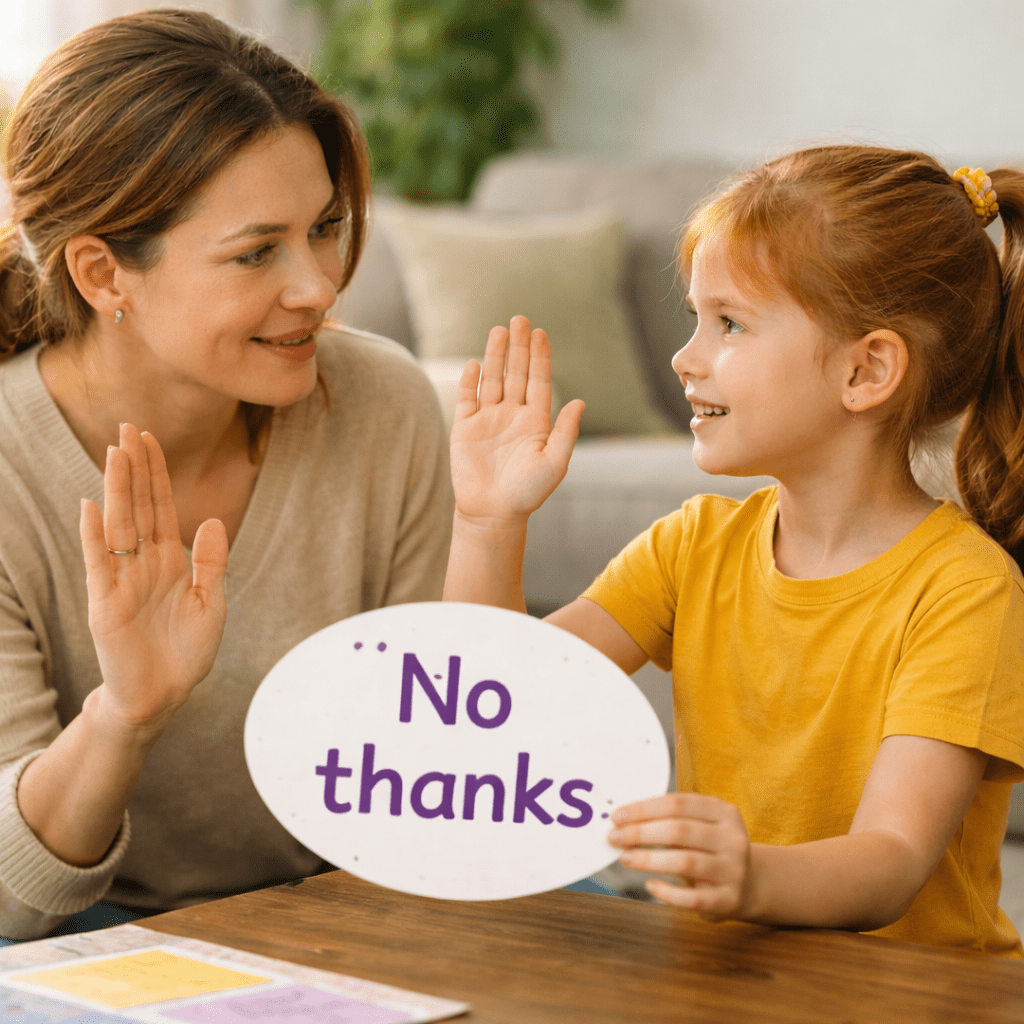
1. Start with Conversations
The first step to raising environmentally conscious children is to talk about nature, pollution, and sustainability in simple, relatable terms.
Use everyday moments: Talk about why turning off lights saves energy or how recycling helps reduce waste.
Answer their questions honestly: Children are naturally curious — don’t shy away from discussing issues like littering, plastic pollution, or deforestation.
Read books together: There are many excellent children’s books about nature and the environment that explain complex topics in fun and engaging ways.
These conversations lay the foundation for understanding and inspire kids to take action in their own lives.
—
2. Lead by Example
Children learn most effectively by watching the adults around them. If you want to raise eco-conscious children, show them how you live your values.
Bring reusable bags to the store
Recycle diligently
Avoid food waste by planning meals and eating leftovers
Choose walking or biking over driving when possible
Use a refillable water bottle instead of disposable plastic ones
When kids see these behaviors modeled consistently, they are more likely to adopt them naturally.
—
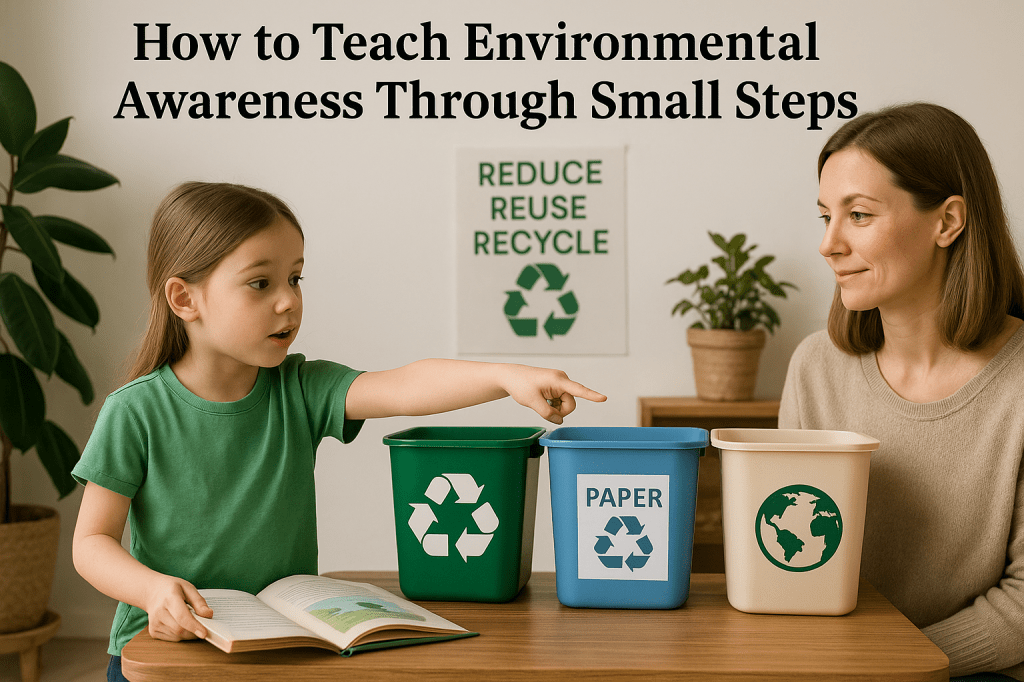
3. Make Recycling a Game
Recycling is one of the easiest and most visual ways for children to participate in protecting the environment.
Set up clearly labeled bins for paper, plastic, metal, and compost.
Create sorting challenges: Ask your child to guess which bin an item belongs in, and reward them for correct answers.
Track your recycling efforts: Make a weekly chart and celebrate milestones like “10 days in a row of correct sorting.”
This turns recycling into a habit instead of a chore.
—
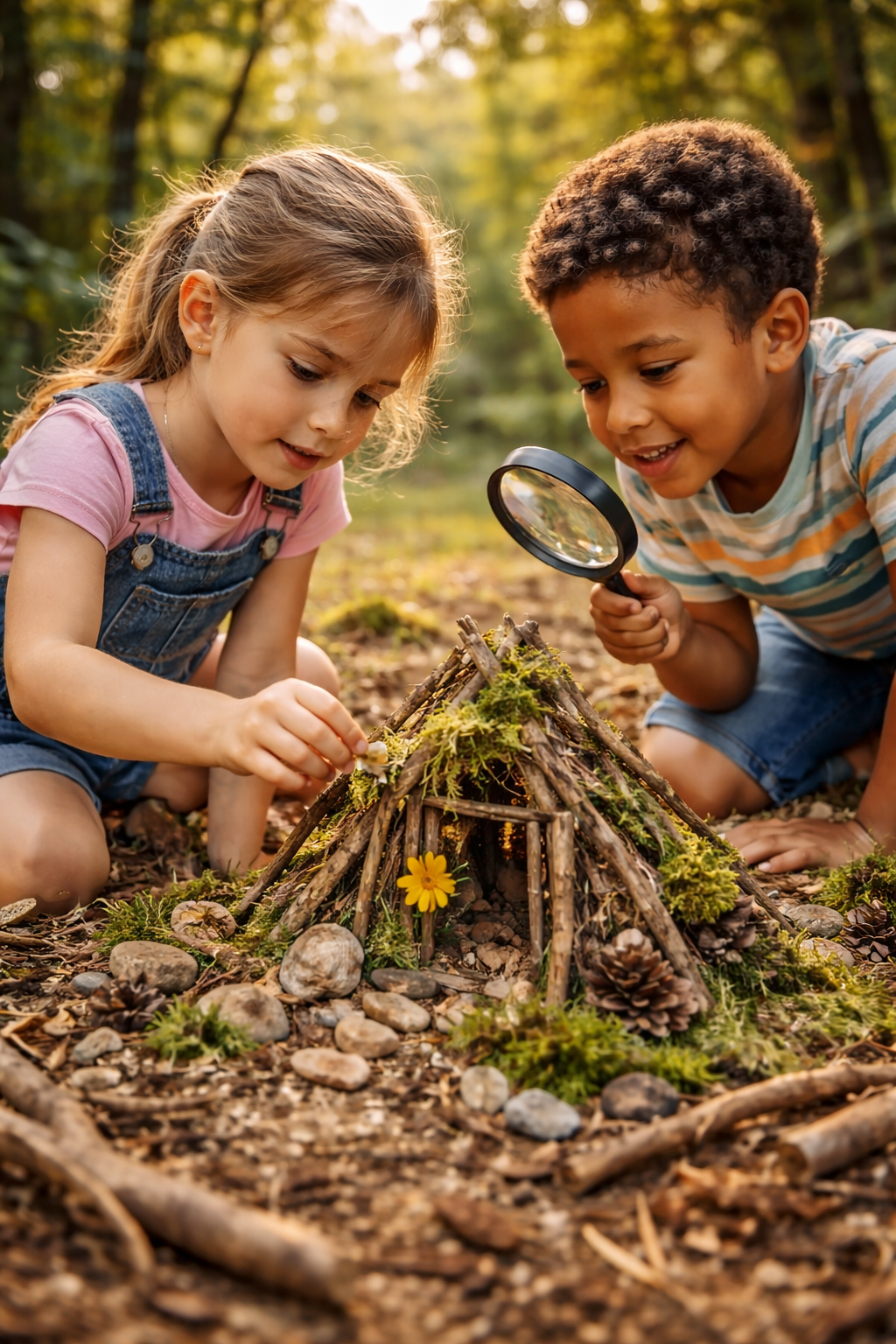
4. Introduce Nature Activities
Building a connection with nature helps children understand why protecting the environment is important.
Go on nature walks: Point out different trees, animals, or insects, and explain their role in the ecosystem.
Create a backyard garden: Even a small herb garden on a windowsill teaches kids about responsibility, food systems, and biodiversity.
Start a nature journal: Let children draw or write about what they see outdoors — clouds, birds, leaves, weather, etc.
The more they appreciate the natural world, the more motivated they’ll be to care for it.
—
5. Reduce, Reuse, and Repurpose
Reinforce the importance of using less and getting creative with what you already have.
Create crafts from recycled materials: Toilet paper rolls can become binoculars, cardboard boxes turn into castles, and jars make great lanterns.
Donate unused toys and clothes: Talk to your child about how giving helps both people and the planet.
Repair broken items together: Show them how a tear in a shirt or a loose toy wheel doesn’t mean it has to be thrown away.
Teaching kids to value resources builds mindful consumption habits.
—
6. Introduce Eco-Friendly Chores
Chores teach responsibility — and they’re a great opportunity to introduce eco-friendly habits.
Let kids water the garden with collected rainwater
Have them sort laundry for cold-water washing
Teach them to turn off taps while brushing their teeth
Ask them to help pack waste-free lunches using reusable containers and cloth napkins
These tasks empower children while reinforcing environmental values.
—
7. Celebrate Green Holidays and Events
Use calendar events like Earth Day, World Water Day, or Arbor Day as opportunities for deeper exploration and action.
Plant a tree
Organize a neighborhood clean-up
Watch an age-appropriate documentary together
Make an Earth Day pledge as a family
These events provide structure and excitement, helping children feel part of a global effort.
—
8. Limit Screen Time in Favor of Outdoor Time
Too much screen time disconnects children from the natural world. Replacing even 30 minutes a day with outdoor play has significant benefits.
Encourage nature scavenger hunts, picnics, or cloud-watching
Set up unstructured play in parks or backyards
Let kids get dirty, climb, dig, and explore — this builds a sensory relationship with the earth
Unplugging fosters creativity, emotional regulation, and a lasting bond with the environment.
—
9. Teach About Animals and Their Habitats
Children are often naturally drawn to animals, making this a great entry point for learning about ecosystems and environmental impact.
Visit nature reserves, zoos, or wildlife centers
Watch animal documentaries made for children
Read stories about endangered species and what can be done to protect them
Discuss how pollution, deforestation, and climate change affect wildlife, and how humans can help.
—
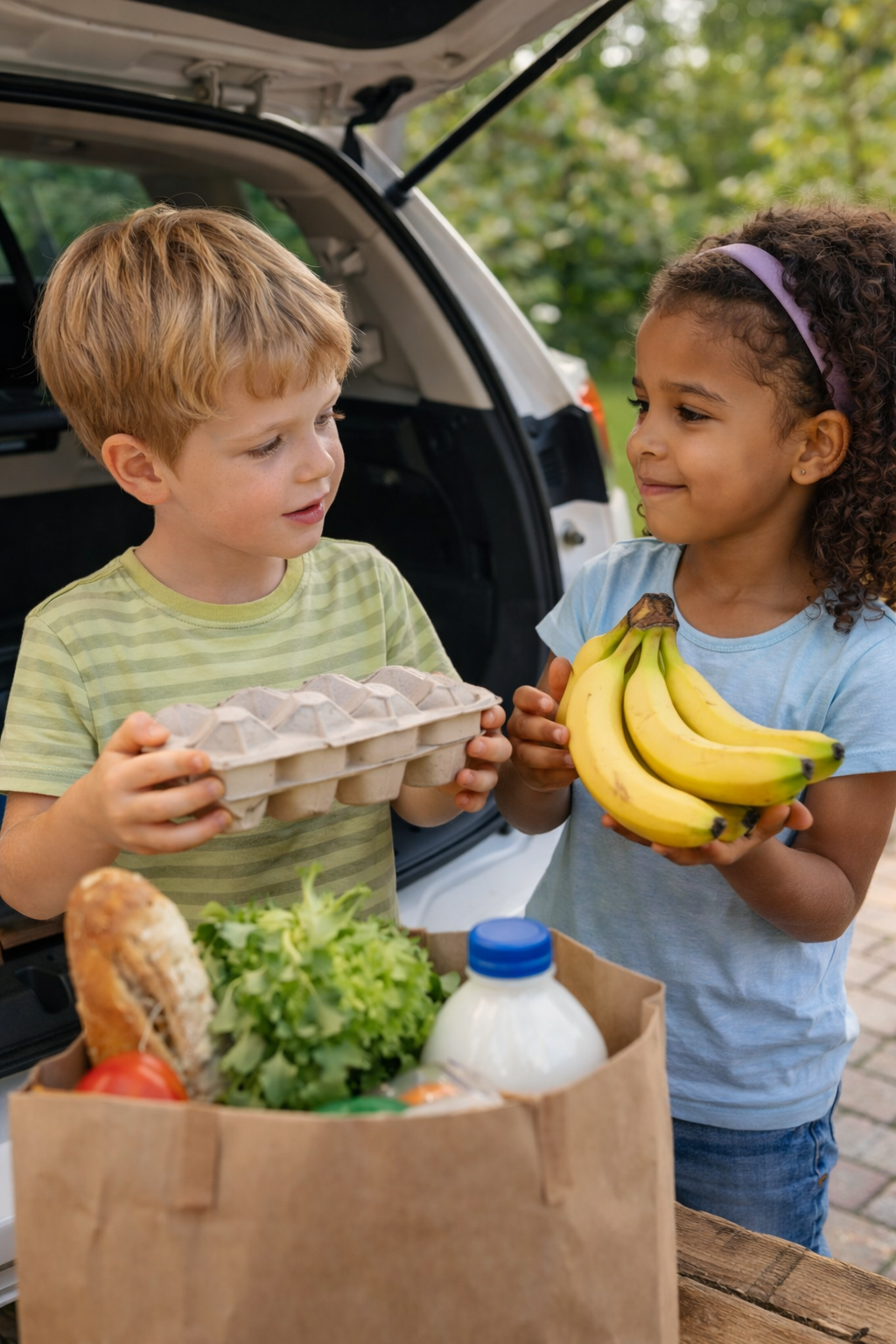
10. Practice Conscious Consumerism Together
Children can learn from an early age how to make thoughtful choices as consumers.
Discuss packaging: Why is less packaging better?
Compare products: Which is more eco-friendly — the wooden toy or the plastic one?
Support local farmers: Visit markets and talk about where food comes from
Let kids have a say in eco-conscious decisions so they feel empowered, not lectured.
—
Long-Term Benefits of Starting Young
When children grow up with eco-friendly habits, these actions become second nature. Over time, they:
Develop critical thinking and problem-solving skills
Gain a sense of purpose and agency
Show greater empathy and cooperation
Feel empowered to create change
Most importantly, they begin to see themselves not just as individuals, but as stewards of the Earth — an identity that can shape the rest of their lives.
—
Final Thoughts: Keep It Positive and Encouraging
Teaching environmental awareness isn’t about doom and gloom. While it’s important to be honest about challenges, focus on hope, action, and progress. Celebrate small wins, encourage curiosity, and emphasize that every action counts.
The goal is not to create perfect eco-warriors overnight — it’s to plant seeds that will grow over time. With patience, creativity, and consistency, your child will develop a deep respect for the Earth and a lifelong commitment to protecting it.
Remember: Change begins with a single step — and those steps can be as simple as turning off the lights, picking up a piece of litter, or planting a seed.




 Bright Minds Journey
Leave a comment