
Traveling with children can be one of the most rewarding and enriching experiences for families, but it can also be challenging if not well-prepared. From long flights to unfamiliar environments, children of all ages may experience excitement, nervousness, or even sensory overload. As parents or caregivers, understanding their needs and offering consistent support can turn any trip into a positive and memorable adventure.
In this article, we’ll explore effective strategies to support children during travel, whether it’s a short road trip or an international journey. You’ll learn how to plan ahead, manage transitions, handle emotional ups and downs, and foster learning and bonding throughout the trip.
—
1. Prepare Your Child in Advance
Children thrive on predictability. Sudden changes can feel overwhelming, especially for younger kids or those with special needs. Help them understand what to expect by:
• Talking About the Trip
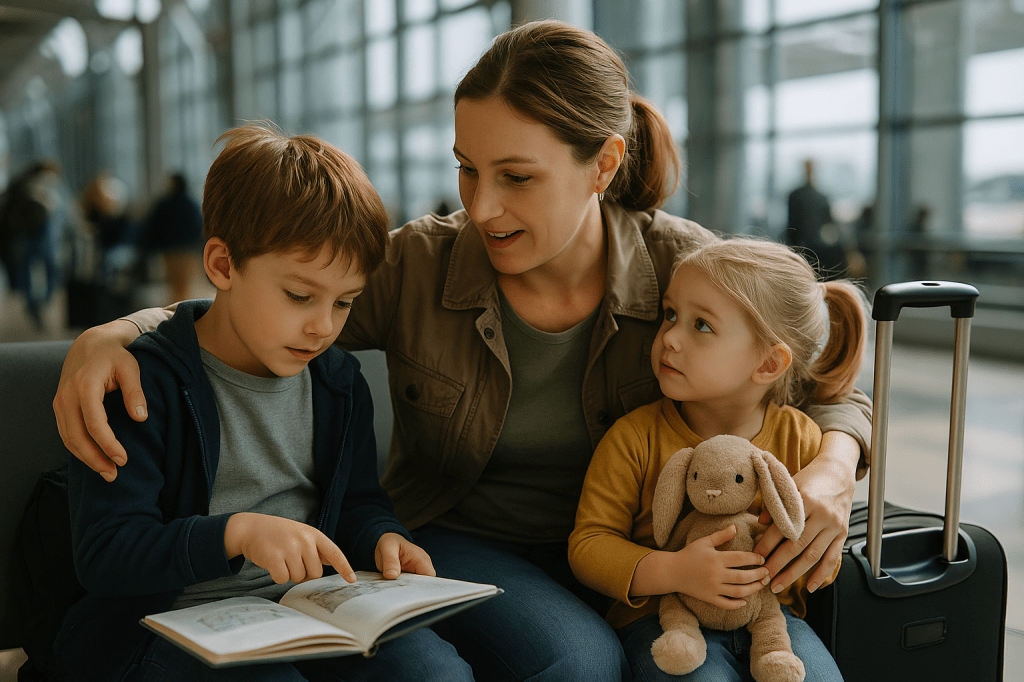
Start discussing the trip a few days or weeks in advance. Use age-appropriate language to explain where you’re going, how you’ll get there, how long the journey will take, and what they might see or do. Storytelling and picture books about travel can be very helpful.
• Creating a Visual Schedule
For visual learners, a simple timeline with drawings or icons representing each step of the trip (packing, going to the airport, flying, arriving, sightseeing, returning) can help them feel more in control.
• Including Them in Planning
Let them help choose a toy to pack or pick out snacks. Older kids may enjoy researching fun things to do at the destination. This builds excitement and a sense of involvement.
—
2. Pack Smart — With Kids in Mind
Being well-prepared can reduce stress and prevent meltdowns. Think of their comfort, safety, and entertainment.
• Essentials for Young Children
Comfort items: Bring familiar objects like a favorite blanket or stuffed animal.
Snacks and drinks: Pack healthy snacks in small portions. Avoid too much sugar, which can lead to energy crashes.
Clothing: Pack extra layers, especially for air-conditioned planes or trains.
Hygiene items: Wet wipes, tissues, hand sanitizer, and a change of clothes can be lifesavers.
• Entertainment Options
Books, drawing materials, travel-sized games, music playlists, and downloaded videos can keep them engaged during long journeys. Rotate activities to keep things fresh.
• Travel Documents and Safety
Make sure passports, tickets, and medical information are accessible. Consider child ID bracelets or tags with emergency contact information.
—
3. Keep a Flexible Itinerary
While it’s tempting to plan every minute of a vacation, children often need time to rest, play, and adapt. An overly packed schedule can quickly lead to overstimulation or fatigue.
• Build in Downtime
Leave room for free play, naps, or simply relaxing in the hotel room. You don’t need to see every attraction to have a fulfilling trip.
• Adjust Expectations
Young children may not react to famous sights the way adults do. A playground visit might be more meaningful to them than a museum tour. Balance adult interests with child-friendly activities.
• Be Patient with Transitions
Switching from one activity to another — especially after a long wait or sitting still — can be tough. Give warnings ahead of transitions and allow time for slower paces.
—
4. Support Emotional Wellbeing
Travel often involves new environments, unfamiliar people, and disruptions to routines — all of which can be emotionally challenging for kids.
• Validate Their Feelings
If your child becomes anxious, frustrated, or overstimulated, respond with empathy: “I see that you’re feeling upset because we’ve been sitting on this plane a long time.” Naming emotions helps them feel understood.
• Create Comfort Rituals
Recreate small parts of your home routine. This could be reading a bedtime story, singing a familiar song, or having the same morning routine, even in a hotel.
• Encourage Expression
Let your child draw, write in a travel journal, or talk about their experiences. This not only helps them process their feelings but can also become a beautiful memory later.
—
5. Focus on Connection and Shared Experiences
Travel offers a wonderful opportunity to strengthen the parent-child bond and make lifelong memories.
• Explore Together
Let your child’s curiosity guide your explorations. Look at maps together, learn about local wildlife, or try a new dish as a family. Ask open-ended questions like, “What was your favorite part of today?”
• Document the Trip
Let your child take pictures, collect postcards, or make drawings of what they see. Create a travel scrapbook together — it’s a fun way to relive the experience later.
• Encourage Responsibility
Give your child small, age-appropriate tasks: holding a boarding pass, choosing a snack, or helping to pack their bag. This builds confidence and independence.
—
6. Tailor Support to Special Needs
Children with sensory sensitivities, autism spectrum disorder, ADHD, or other unique needs may require extra planning.
• Predictability Is Key
Use visuals, social stories, and role-play scenarios to explain what to expect. Practice going through airport security at home or watching videos of the destination.
• Sensory Considerations
Bring noise-canceling headphones, sunglasses, chewy necklaces, or fidget toys if your child benefits from them. Choose accommodations that offer quiet or private spaces when needed.
• Inform Travel Staff
When possible, inform airline or hotel staff in advance about specific needs. Many airports now offer accessibility services or sensory-friendly programs.
—
7. Model Calm and Adaptability
Children often mirror adult emotions. If you remain calm and adaptable during travel hiccups, your child is more likely to feel safe and relaxed too.
• Stay Positive
If plans change, model a flexible attitude: “The museum is closed, but let’s see if there’s a fun park nearby.” Use unexpected moments as adventures in their own right.
• Handle Stress Constructively
Practice deep breathing together, play a calming song, or do a short stretch if things become stressful. These coping strategies can be tools your child uses long after the trip.
—
8. Reflect and Celebrate
After returning home, take time to talk about the trip. Ask your child:
“What did you love the most?”
“What was something new you learned?”
“Is there something you’d want to do differently next time?”
Reflection helps children process their experiences, understand themselves better, and look forward to future adventures.
—
Final Thoughts
Traveling with children doesn’t have to be overwhelming. With the right mindset and a few thoughtful strategies, you can turn any journey into a meaningful experience for your family. Supporting your child during travel is not about perfection — it’s about being present, adaptable, and understanding their needs every step of the way.
So the next time you plan a trip, remember: it’s not just about the destination, but the joy of discovering the world — together.






 Bright Minds Journey
Leave a comment