
As the school year draws to a close, a wave of emotions often floods both children and parents. Whether your child is graduating from kindergarten, finishing first grade, or simply moving from one classroom to the next, this transition marks more than just a change in schedule—it’s the end of a chapter. And with every ending comes the potential for reflection, growth, and gentle preparation for the next adventure.
In this blog post, we’ll explore why the end of the school year is significant for young children and how we, as parents and caregivers, can support them in saying goodbye, honoring their progress, and embracing what lies ahead.
—
1. Why Endings Matter to Young Children
Children thrive on routine, familiarity, and a sense of belonging. Their school or kindergarten environment is not just a place for learning—it’s where friendships blossom, where they develop independence, and where trusted adults guide them through daily life.
When this environment changes—whether it’s a new teacher, a new school, or even just the end of a year—children may experience:
Uncertainty about what comes next
Sadness over saying goodbye to friends or teachers
Excitement about growing up and moving forward
Anxiety about new expectations or unknown settings
By acknowledging the emotional weight of these moments, we help children feel seen and supported.
—
2. Create Space for Reflection
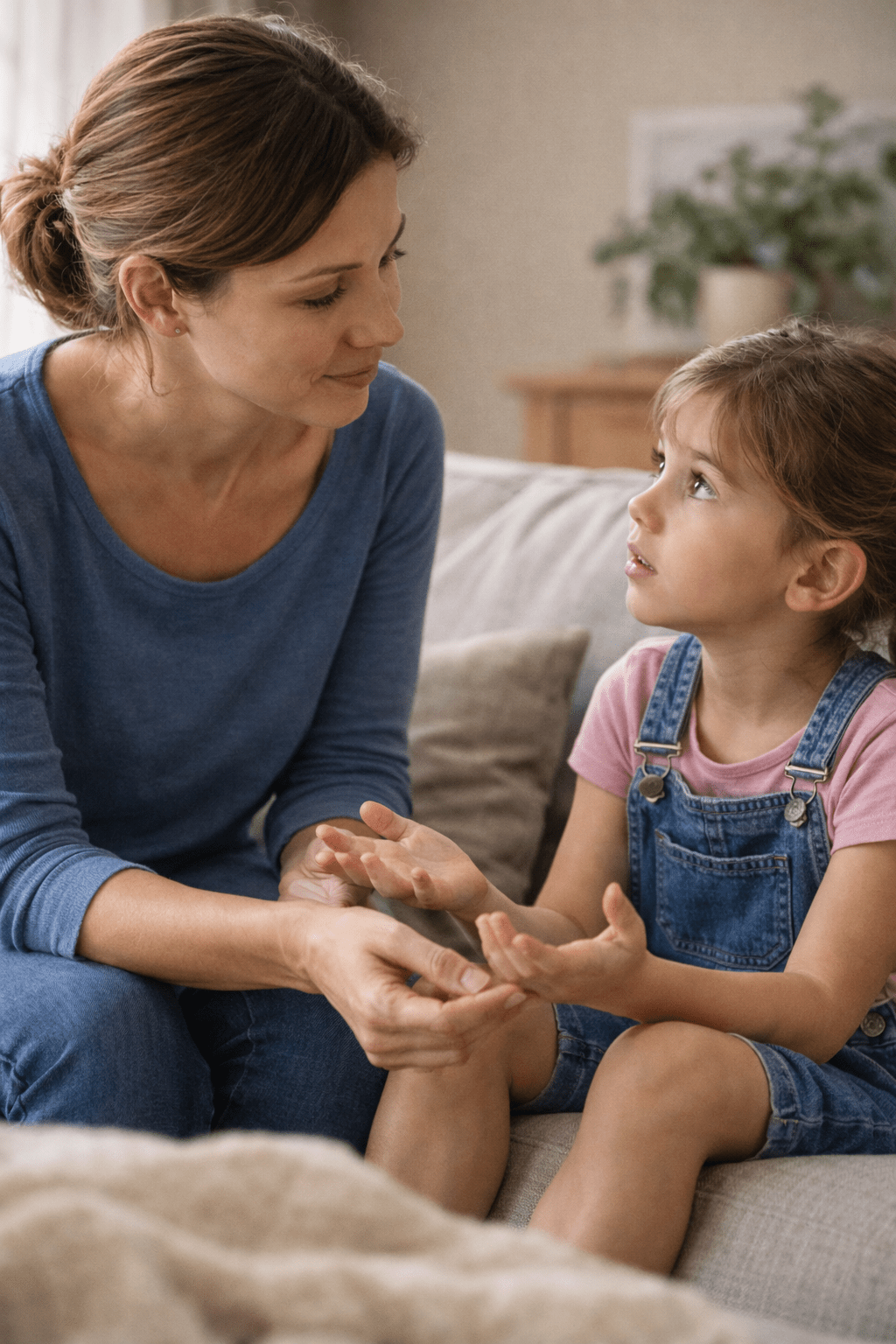
Reflection doesn’t have to be formal—it can be part of everyday conversations. The goal is to help children recognize their progress, express their feelings, and understand that change is a natural part of life.
Try questions like:
“What was your favorite part of this school year?”
“What’s something new you learned that you didn’t know before?”
“Is there something you’ll miss?”
“What are you most proud of?”
Let the child take the lead in these conversations. If they’re shy or hesitant, try using drawing or storytelling as a way to help them open up.
—
3. Celebrate Achievements Big and Small
The end of the year is a wonderful time to recognize how much your child has grown. And we’re not just talking about academic achievements.
Celebrate:
Friendships they’ve formed
Challenges they’ve overcome (like speaking up in class or learning to tie their shoes)
Moments of kindness they’ve shown
Their ability to adapt and grow
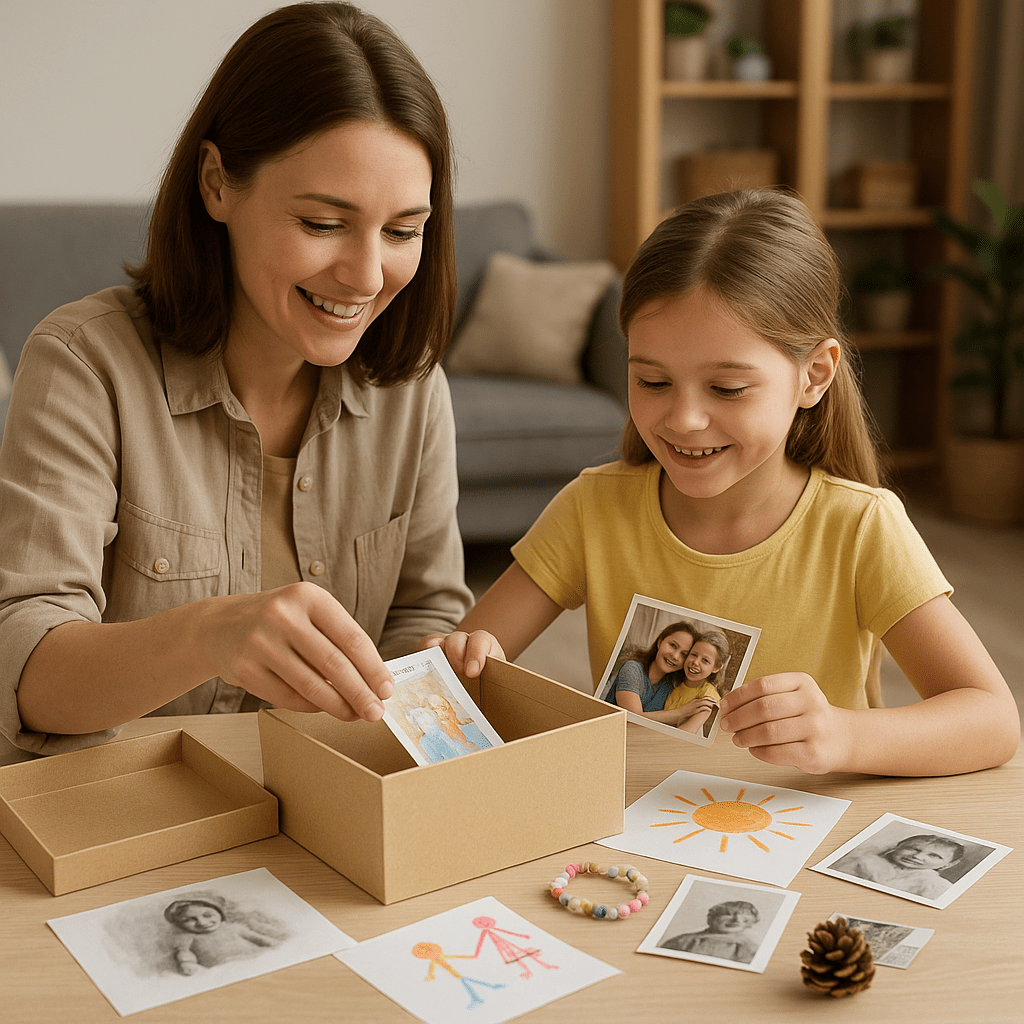
You can mark this in a special way with a “Growth Certificate” or a homemade “End-of-Year Memory Book.” Include photos, drawings, and short notes about the year’s highlights. This not only reinforces their confidence but creates a treasured keepsake.
—
4. Make Goodbyes Meaningful
Saying goodbye is hard for adults—imagine how much harder it can be for a child. Whether your child is leaving a beloved teacher or classroom, helping them find a meaningful way to say goodbye is key to emotional closure.
Here are a few age-appropriate ideas:
✏️ Make a Thank-You Card
Handmade drawings and a few dictated words of appreciation go a long way.
🎁 Create a Simple Gift
This could be a flower made from paper, a decorated stone, or a photo with a short message.
💌 Record a Goodbye Message
Record a short voice or video message for a teacher or friend to say thank you and goodbye.
Encourage your child to express what they’ve appreciated—this helps them develop empathy and gratitude, too.
—
5. Mark the Transition with a Ritual
Rituals are powerful tools to help children emotionally transition from one phase to another. They don’t have to be elaborate to be effective.
Here are a few simple ideas:
“Goodbye Walk” – Take a walk around the school or neighborhood, sharing memories from the year.
“Caps Off” Moment – Make paper graduation caps and have a mini ceremony at home.
“Memory Jar” – Fill a jar with notes or drawings about favorite moments from the year.
These rituals give structure to the emotions swirling inside and help children feel that the end is acknowledged, not ignored.
—
6. Acknowledge Mixed Feelings
Sometimes, we rush to highlight the excitement of summer or the pride of finishing a grade. While these are valid, it’s also important to make room for any sadness, nervousness, or frustration a child might be feeling.
You can say:
“It’s okay to feel sad about saying goodbye.”
“Even happy changes can feel a little scary.”
“I’m here to talk whenever you want.”
Let your child know all feelings are welcome—this creates a safe emotional space and builds long-term emotional intelligence.
—
7. Look Forward Together
Once your child has had a chance to reflect and say goodbye, begin gently looking toward what’s next.
You can:
Visit the new school or classroom (if possible)
Read books about growing up or starting school
Create a “What I Hope for Next Year” list or drawing
Plan a fun family summer routine together
This helps children shift their focus from what they’re leaving behind to the exciting journey ahead.
—
8. Let Them Take the Lead
Children are surprisingly intuitive about what they need. Some might want to talk a lot, while others prefer to express themselves through art or imaginative play.
Observe and support them in their own way of processing the transition. You don’t need to orchestrate everything—sometimes, just being present and available is the best support you can offer.
—
9. Support for Parents, Too
Let’s not forget: transitions are emotional for parents, too. Watching your child grow up—say goodbye to their first teacher, leave kindergarten, or move up a grade—can stir up powerful feelings.
Take a moment to reflect on your own emotions:
Are you proud? Nervous? Nostalgic?
What did you learn this year as a parent?
Allowing yourself to feel and process these emotions helps you show up with more patience and empathy for your child’s journey.
—
10. A Free Printable to Capture the Moment
To help you and your child mark this special time, we’ve created a free downloadable End-of-Year Reflection Page that includes:
Simple questions
Drawing prompts
A “This Was Me” section
A little certificate for a job well done
Print it out, fill it in together, and add it to your keepsake box. These small moments become lifelong memories.
—
Closing Thoughts
The end of the school year is more than a date on the calendar. For young children, it represents a meaningful shift in their world—one that’s filled with feelings, memories, and growth.
By supporting your child with empathy, creativity, and gentle guidance, you’re helping them build emotional resilience, confidence, and a healthy outlook on life’s changes.
Let’s take a deep breath together, look back with pride, and look forward with hope. A new chapter is just around the corner.



 Bright Minds Journey
Leave a comment