
When summer rolls in, most parents think about freedom, sunshine, and perhaps a few too many snacks. But beneath the surface of water balloon fights and lazy mornings lies something much more powerful: an opportunity for kids to grow in ways that the school year can’t always offer.
Without strict schedules or constant assessments, children have the space to explore, try new things, and build valuable life skills—without even realizing they’re learning.
In this post, we’ll uncover six essential life skills your child can naturally develop during the summer months—and how you can gently support that growth.
—
1. Responsibility – Through Daily Routines and Small Tasks
With fewer external obligations like homework and school schedules, summer provides a perfect environment for children to step into more responsibility—at their own pace.
How this shows up:
Feeding a pet every morning
Watering plants or helping in the garden
Packing their own beach bag or snacks
Choosing and laying out their own clothes
These are small actions, but they carry big meaning. When a child learns to care for something—a plant, a pet, or even their own belongings—they begin to feel capable and important.
How you can support it:
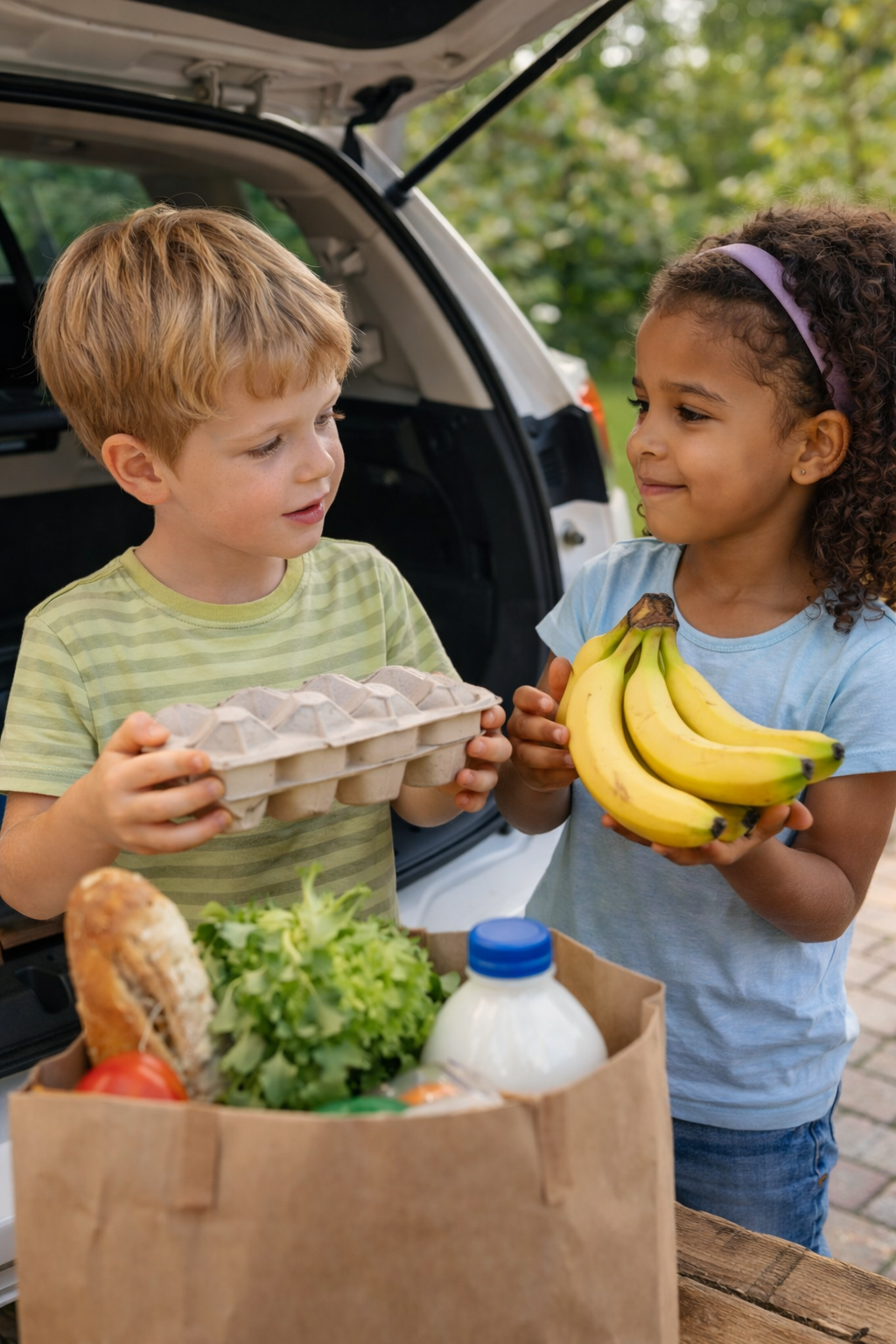
Give your child one or two consistent tasks each day.
Let them help decide what they’d like to be in charge of.
Don’t aim for perfection—focus on consistency and praise the effort.
💡 “Wow, the flowers look great—you’ve been taking such good care of them!”
—
2. Patience – Through Slower Moments and Waiting
Summer is often less structured than the school year. That can lead to magical open-ended play—but also to moments where children need to wait. For the rain to stop. For the cookies to bake. For a turn on the swing.
These are golden opportunities to learn patience—a skill that’s hard to teach in a classroom, but deeply important in life.
Where it happens naturally:
Waiting for plans to begin (“We’re leaving in 15 minutes.”)
Long car rides
Slow family walks or nature observations
Playing board games where they have to wait their turn
How you can support it:
Use simple time language: “We’ll go after lunch.”
Use timers for reference (e.g., a sand timer for brushing teeth).
Offer empathy without rushing to entertain: “It’s hard to wait sometimes, isn’t it?”
Over time, kids learn that not everything happens instantly—and that’s okay.
—
3. Creative Problem Solving – Through Free Play
In school, there are right answers. In summer, there are tree forts.
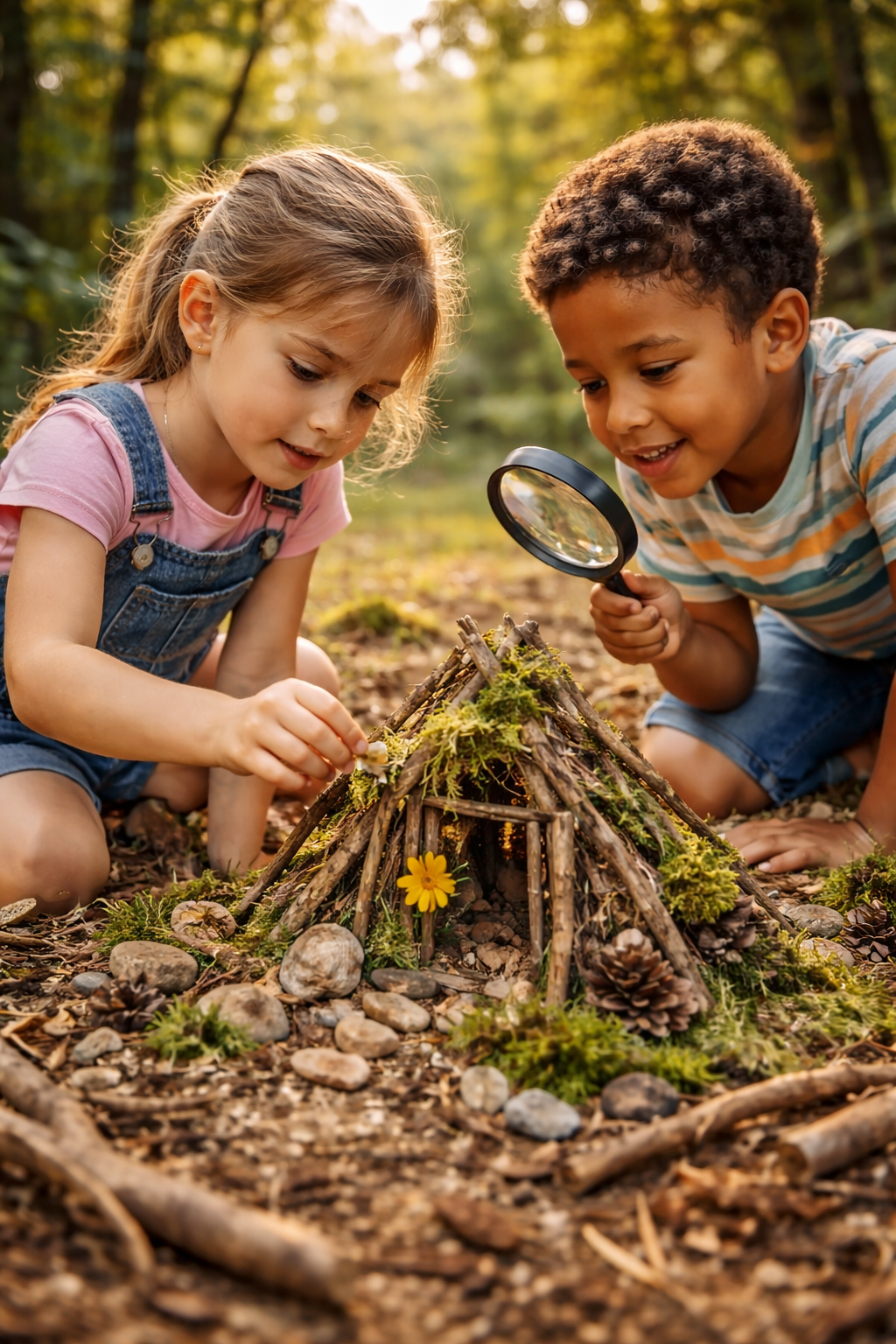
Unstructured play, especially outdoors or with open-ended toys, encourages children to experiment, invent, negotiate, and improvise. These are all critical thinking and problem-solving skills—they just look like games.
What this might look like:
Turning a cardboard box into a spaceship
Figuring out how to build a taller sandcastle
Negotiating with a sibling about who gets the red crayon
Creating their own “rules” for a made-up game
How to encourage it:
Provide materials, not directions (e.g., “Here’s some cardboard and tape—what do you want to make?”)
Step back! Let them figure things out before stepping in.
Celebrate the process more than the product.
💬 “You figured that out all by yourself—amazing!”
—
4. Independence – Through Everyday Choices
Summer allows for more choice and autonomy than a typical school day. Even simple decisions can boost a child’s sense of independence and confidence.
Situations that foster independence:
Deciding what to wear (even if socks don’t match)
Choosing between cereal or toast for breakfast
Planning the route for a walk or bike ride
Spending time alone drawing, reading, or thinking
Independence doesn’t mean total freedom—it means offering choices within a safe structure.
Ways you can nurture this:
Ask questions like: “Would you like to brush your teeth before or after pajamas?”
Let them make small mistakes. (Wearing sandals in the rain is a learning moment.)
Celebrate their choices and efforts, even if they’re different from yours.
🧠 Independence builds decision-making skills—and self-trust.
—
5. Emotional Regulation – Through Space and Connection
When there’s less stress and pressure, kids have a chance to tune into their own feelings—and learn how to handle them.
Summer creates emotional space. There’s time to cool down after frustration, talk through fears, or reflect after a long day. It’s the perfect season for helping children develop emotional intelligence and self-regulation.
Examples of emotional growth in summer:
Managing disappointment if a playdate is canceled
Feeling lonely and learning how to ask for connection
Cooling down after a sibling argument
Talking about a worry at bedtime
What helps:
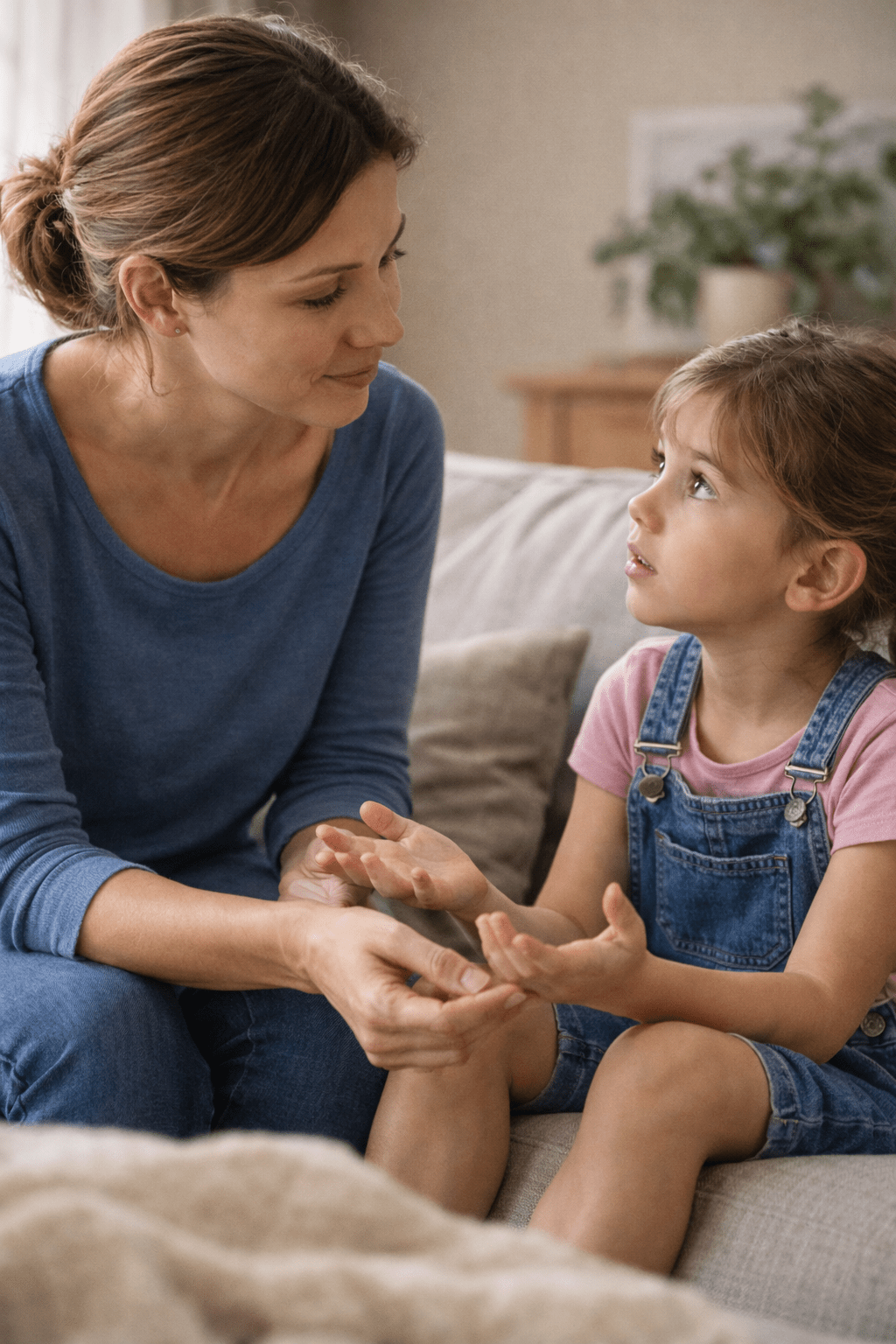
Validate feelings: “You’re really disappointed—we were both looking forward to that.”
Name emotions together: “It seems like you might be frustrated. Do you think that’s what you’re feeling?”
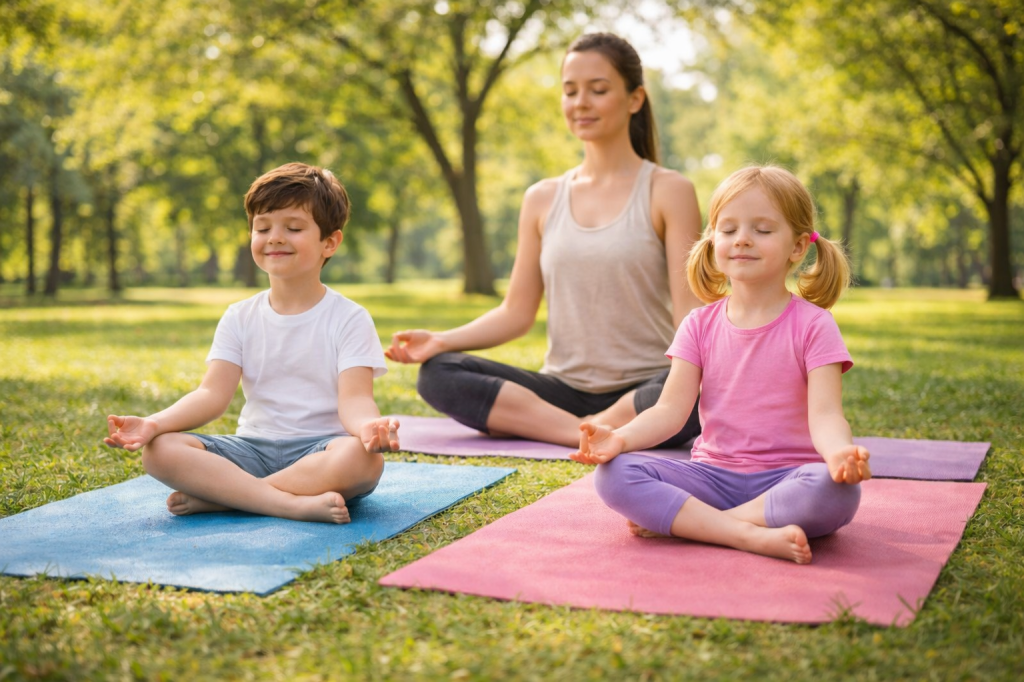
Encourage calming strategies like breathing, stretching, or drawing
🧡 The more time kids have to feel, the more they learn about how to respond to those feelings.
—
6. Collaboration & Teamwork – Through Shared Play
Summer gives kids the freedom to play with others on their own terms—without grades or classroom expectations.
How collaboration happens:
Building a fort or obstacle course with friends
Playing team games like relay races or scavenger hunts
Inventing imaginary worlds with shared storylines
Planning and “running” a lemonade stand
These shared experiences teach children how to negotiate, listen, lead, compromise, and support each other.
How you can support it:
Invite friends over for open-ended play.
Let them come up with their own group project.
Afterward, reflect together: “How did you all decide what to build?”
👫 Working together builds empathy, flexibility, and strong communication skills.
—
Bonus: You’re Learning Too
As your child grows, you may notice that you’re growing as well.
You might be:
Letting go of control a little more
Learning to appreciate the small wins
Watching your child make decisions without your help
Reflecting on what matters most in your family’s rhythm
💬 Parenting is full of unspoken life skills, too—and summer gives you space to notice them.
—
What About Different Ages?
Each child is unique, and life skills show up differently depending on age and personality.
Preschoolers (3–5 years):
Practicing basic tasks: dressing, brushing teeth, helping tidy up
Learning to wait, take turns, express feelings with words
Caring for a plant or pet with supervision
Early elementary (6–9 years):
Managing time: “How long will this take?”
Taking on real responsibility: preparing snacks, making simple decisions
Handling group dynamics with friends and siblings
It’s not about pushing them—it’s about gently guiding, trusting, and celebrating the moments they step into something new.
—
Final Thoughts
Summer doesn’t have to be packed with structured activities for growth to happen. In fact, the freedom of summer is often what makes growth possible.
Every time your child chooses their outfit, waits patiently for their turn, solves a problem on their own, or talks about how they feel—that’s learning. And those lessons last far beyond the end of summer.
So let them run barefoot, ask wild questions, make a mess, and figure things out. You don’t need a lesson plan—just an open heart, gentle guidance, and time.
☀️ Let this be the summer of laughter, learning, and life skills that quietly shape who they’re becoming.



 Bright Minds Journey
Leave a comment