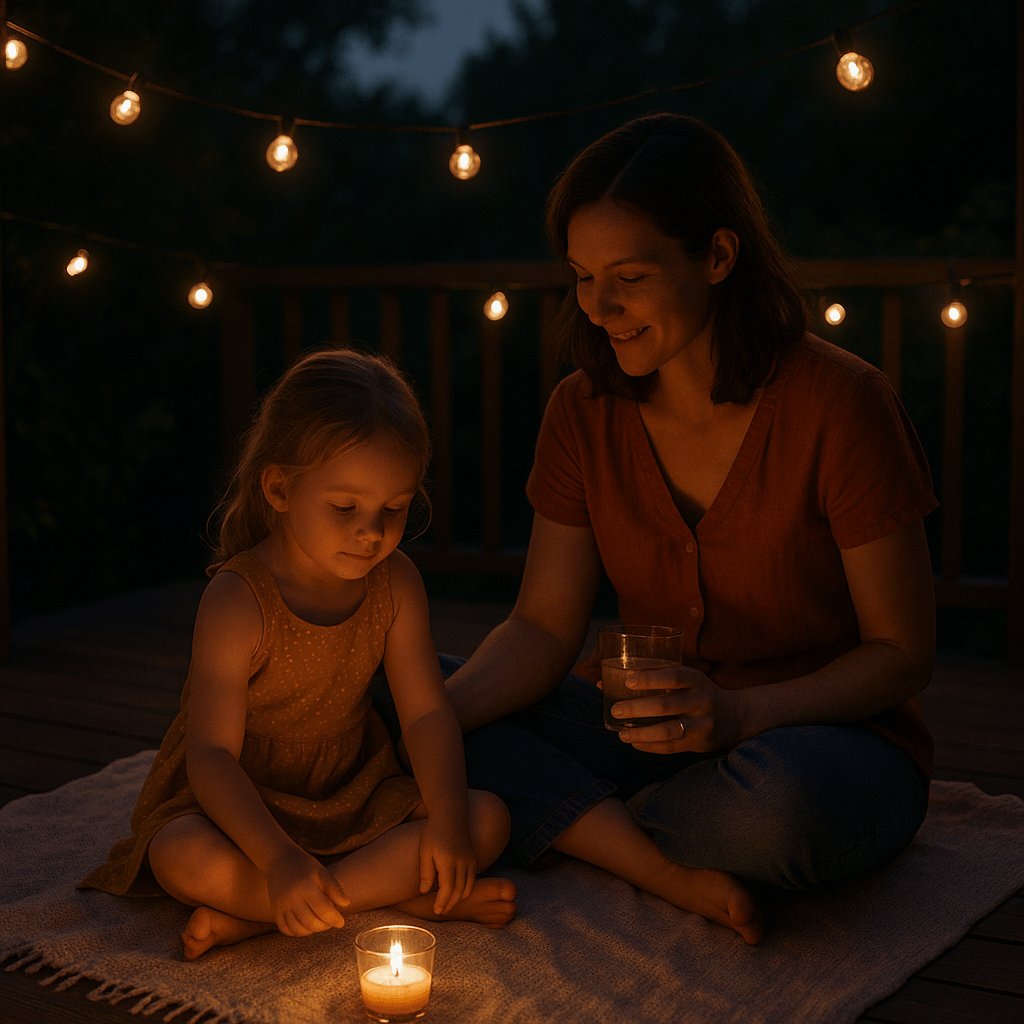
When school ends and summer begins, it’s easy to feel like we need to fill every day with activities, adventures, or carefully planned outings. But what if the most meaningful moments of the summer aren’t found in tightly packed schedules, but in the quiet spaces between them?
In a world that celebrates busyness, slowing down can feel radical—especially as a parent. Yet it’s often in those slow, unscripted days that children (and parents) find room to breathe, connect, and grow. This article explores how to intentionally create calm in your family’s summer, and why “less” might actually be the best gift you can give your child this season.
—
1. The Myth of the “Perfect” Summer
Many parents feel pressured to turn summer into a magical, non-stop carousel of fun. Pinterest-perfect crafts, road trips, daily educational games, and “bucket list” challenges flood our feeds. And while inspiration is wonderful, it can also create a false sense of urgency.
But childhood doesn’t require perfection—it requires presence.
Children don’t need extravagant plans to feel loved, safe, and enriched. What they remember most are the simple rituals and genuine attention: the lazy afternoon on a blanket in the yard, helping mix pancake batter, or reading the same story three days in a row.
—
2. Why Downtime Is Crucial for Development
Downtime is more than a break—it’s an opportunity for essential growth. Here’s what slowing down does for your child:
Fosters creativity – When kids aren’t told what to do every second, their imagination kicks in.
Builds emotional regulation – A slower pace helps children learn how to handle boredom, frustration, or transitions more calmly.
Encourages independent play – With fewer structured activities, children often explore, experiment, and entertain themselves in new ways.
Promotes better sleep and lower stress – Overstimulated children (and adults) often sleep poorly and become more irritable. Slower days help regulate their internal rhythms.
In short, slowing down supports your child’s emotional, cognitive, and physical well-being.
—
3. Letting Go of the Guilt
You don’t have to schedule every moment. You don’t have to entertain your children constantly. You don’t need to feel bad if the morning slips by with “nothing special” happening.
Often, it’s in those exact moments that something extraordinary unfolds—a deep conversation, a spontaneous game, a quiet cuddle. But you only notice it when there’s enough space for it to happen.
Give yourself permission to say:
> “We’re not doing much today—and that’s exactly what we need.”
—
4. Creating a Calm Summer Rhythm
Children still need a sense of predictability, even in a laid-back season. Instead of a strict schedule, consider a gentle rhythm that provides structure without stress. For example:
Morning: breakfast + outdoor time
Midday: quiet time + reading + lunch
Afternoon: creative time (drawing, building, roleplay, baking)
Evening: walk + dinner + unhurried bedtime
This kind of rhythm creates safety and flow while still leaving lots of freedom.
You can also try anchoring the day with just one or two small rituals:
Watering plants together every morning
A daily smoothie break
Lying in the grass to look at clouds
Playing calm music before bed
—
5. Embracing Slow Moments
Some of the most precious parts of summer happen when nothing is scheduled:
Watching ants carry crumbs across a picnic blanket
Doodling while waiting for lunch
Picking wildflowers on a walk
Sharing secrets in a hammock
When children are allowed to be unhurried, they engage with the world more deeply. They notice patterns, ask better questions, and experience wonder. These quiet moments are the roots of lifelong mindfulness and emotional awareness.
—
6. How Parents Benefit Too
Slower summer days aren’t just for the kids. They’re also a chance for you to breathe, reset, and truly connect with your child without the noise of busy routines.
Here’s what calm days can offer you as a parent:
A chance to notice who your child is becoming
More time for real conversation instead of constant redirection
Lower stress and fewer power struggles
Space to rest and be present—not just plan and execute
You might find that your most connected parenting comes not in the “doing” but in the “being.”
—
7. Redefining Productivity in Summer
One of the biggest mindset shifts is redefining what it means to have a “successful” day.
If your child didn’t complete a workbook, attend a camp, or visit a museum, but:
played quietly for an hour
helped hang the laundry
made a pretend soup out of dandelions
laughed with you during lunch
fell asleep peacefully…
…then the day was more than enough. Let those be the new goals.
—
8. Gentle Summer Ideas That Don’t Overstimulate
Here are calm, low-pressure activities that support connection and creativity without overstimulation:
Nature walks with a “treasure bag” for interesting leaves or stones
Backyard picnics with simple finger food
Drawing each other’s shadows with chalk
Listening to audiobooks while lying under a tree
Painting on rocks or with water
Washing toy animals or dolls outdoors
Looking through old photos and telling family stories
These activities create magic without creating stress.
—
9. Handling “I’m Bored!” with Empathy
If your child says “I’m bored!”—that’s okay. Boredom is not a parenting failure. It’s a spark.
You can respond gently:
> “It’s okay to feel bored sometimes. That means your brain is ready for something new to grow.”
Offer a few open-ended materials like:
Paper and tape
Cardboard boxes
Play dough
Building blocks
Scarves or fabric for fort-making
Then step back and let them surprise you.
—
10. Let Summer Be What It Is
Some days will be messy. Some will be peaceful. Some may involve more screen time than you planned, or fewer veggies, or skipped chores. That’s real life.
You don’t need a picture-perfect summer. You need real moments with your child—moments that fill them up from the inside out.
Let go of pressure. Let go of “shoulds.” Let the summer breathe.
Because when we choose slow, we make room for what truly matters.
—
Final Thoughts
This summer, you don’t need to entertain, schedule, or impress. You need to be present, be kind, and be open to the quiet beauty that happens when you leave space for it.
Remember: less really is more.
So sit on the porch, take a walk with no destination, or watch your child’s face as they tell you something only half-real. These are the golden threads of a season they’ll remember forever.
🌞 Read more gentle parenting reflections and everyday inspiration on the blog.








 Bright Minds Journey
Leave a comment