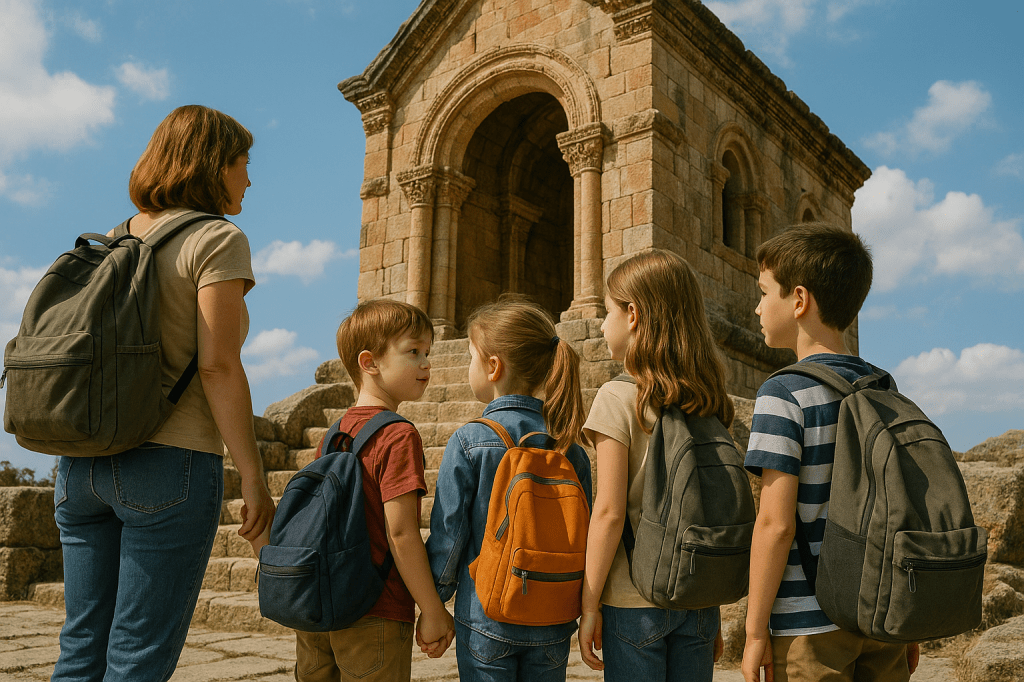
Traveling is one of the most powerful tools for learning—not just for adults, but for children as well. While books, videos, and classrooms offer incredible knowledge, nothing compares to experiencing new places, cultures, and ways of life firsthand. For children, travel is more than a change of scenery—it’s a transformative experience that helps them grow emotionally, socially, and intellectually. In this article, we’ll explore how travel broadens children’s horizons and why even short trips can have lasting positive effects.
1. Exposure to Different Cultures
When children travel to new places, they encounter people who speak different languages, eat different foods, follow different customs, and have different worldviews. This exposure encourages curiosity and open-mindedness. It helps children understand that their way of life is not the only one, and that there is beauty and value in diversity.
Whether it’s learning about traditional dances in another country, tasting a new dish for the first time, or seeing how other children live, each experience becomes a lesson in empathy and global awareness. Children begin to ask questions and appreciate the rich tapestry of cultures that make up our world.
2. Real-World Learning
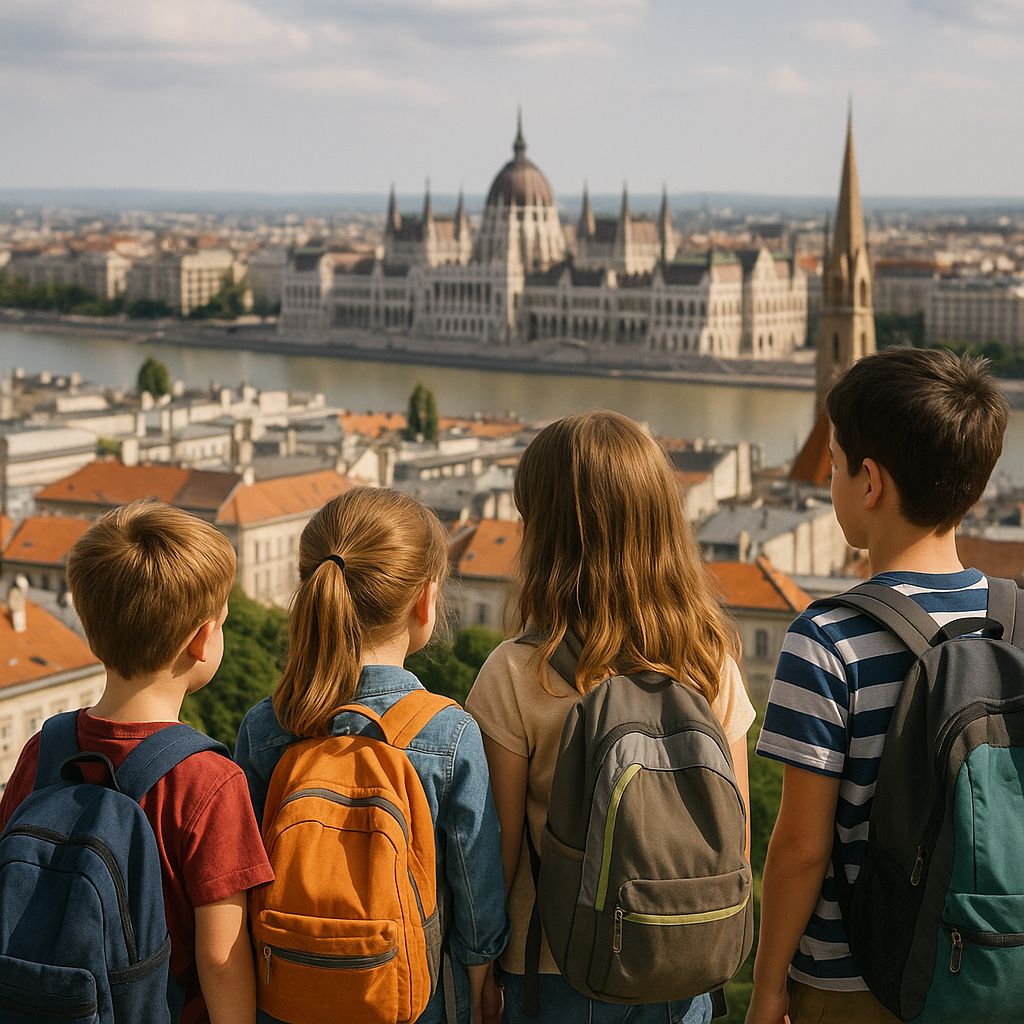
Travel makes learning tangible. When children visit historical landmarks, museums, nature reserves, or science centers, they don’t just read about facts—they experience them. A child who walks through the Colosseum in Rome or sees the Grand Canyon with their own eyes will remember those moments far longer than they would a textbook photo.
This kind of experiential learning enhances memory and understanding. Geography, history, language, biology, and even math come alive when they are seen in action. Travel allows kids to connect school knowledge with real-world experiences, which strengthens comprehension and deepens interest.
3. Developing Flexibility and Adaptability
Travel doesn’t always go as planned—flights get delayed, hotels get overbooked, and weather can change in an instant. For children, these moments present valuable opportunities to learn patience, flexibility, and problem-solving skills.
Being outside of their usual environment teaches children to adapt and find creative solutions. It shows them that it’s okay when things don’t go perfectly, and that they can still enjoy the experience. These skills are important for emotional growth and help children become more resilient in everyday life.
4. Building Confidence and Independence
Travel helps children build self-confidence. Even small tasks—like packing their own bag, choosing a snack at a foreign grocery store, or trying a few words in another language—can boost their sense of independence.
As they navigate new experiences, children learn to trust themselves and their instincts. This is especially important during the elementary years when kids begin to shape their identities. The confidence they gain through travel can help them feel more capable in school and in social settings.
5. Strengthening Family Bonds
Travel creates shared memories that strengthen family relationships. Whether it’s a road trip to the countryside or a flight to another continent, time spent exploring new places together brings families closer.
Without the usual routines and distractions, parents and children have more chances to connect through conversations, games, and shared discoveries. These experiences create lasting bonds and stories that the whole family will cherish for years to come.
6. Encouraging Gratitude and Perspective
When children see how others live—especially in places where people may have fewer resources or live differently from them—they begin to appreciate what they have. Travel teaches children not only to notice differences but also to be grateful for their own lives.
This can also help reduce feelings of entitlement or boredom. A child who sees that not everyone has access to clean water or a warm bed may start to view their own home and comforts with fresh eyes. Travel offers perspective, which is a powerful tool for emotional growth.
7. Nurturing Curiosity and Creativity
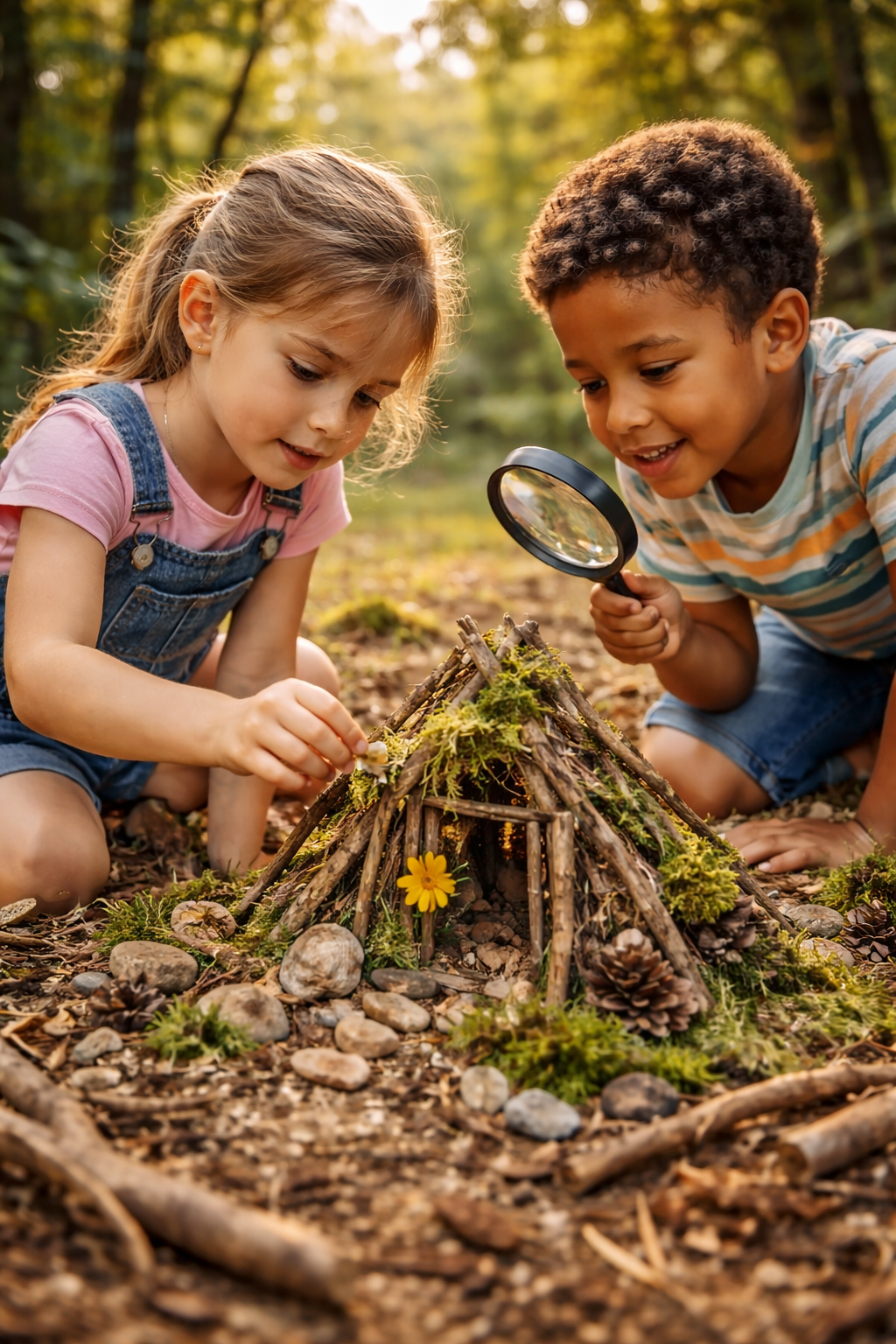
Every trip is filled with opportunities to ask questions, explore, and imagine. Whether it’s wondering how a mountain was formed, how a temple was built, or what animals live in a jungle, children’s natural curiosity is constantly stimulated.
Travel encourages kids to look closely, listen carefully, and think critically. They might start a travel journal, sketch new plants or buildings, or create stories inspired by the places they’ve visited. This boosts not only creativity but also communication and observational skills.
8. Learning Social Skills
Interacting with people from different backgrounds helps children develop stronger communication and social skills. They may need to ask for directions, order food in a restaurant, or make new friends at a campsite.
These interactions, even small ones, help children feel more confident in social situations. They learn to be polite, ask questions, listen, and engage with others respectfully. This is especially helpful for shy or reserved children who may find new ways to express themselves outside their usual circles.
9. Broadening Worldview and Breaking Stereotypes
One of the most powerful effects of travel is that it breaks down stereotypes. When children see that people from different countries or backgrounds are kind, fun, and relatable, they begin to reject narrow or biased views.
They realize that while we may speak different languages or have different traditions, we all share many of the same hopes, dreams, and emotions. Travel helps raise children who are more accepting, understanding, and inclusive—qualities that are essential in today’s interconnected world.
10. Inspiring Future Passions
Travel can inspire lifelong interests and even future careers. A child who visits an aquarium might dream of becoming a marine biologist. Another who climbs a mountain might develop a love for nature or outdoor sports. Visiting art museums, space centers, farms, or music festivals can spark passions that shape a child’s future.
When children are exposed to a wide variety of experiences, they begin to discover what excites them and what they might want to explore further. Travel opens the door to possibilities they might never have considered otherwise.
—
Final Thoughts: You Don’t Have to Go Far
While international travel can be enriching, you don’t need a passport to broaden your child’s horizons. A day trip to a nearby town, a hike in a new park, or a visit to a cultural festival in your own city can have the same benefits.
What matters most is the mindset of exploration. Encourage your child to observe, ask questions, and reflect on what they see. Each trip—big or small—is a chance to grow, learn, and see the world from a new angle.
So pack your bags, grab a map, and set off on your next adventure. Your child’s future perspective is shaped one journey at a time.



 Bright Minds Journey
Leave a comment