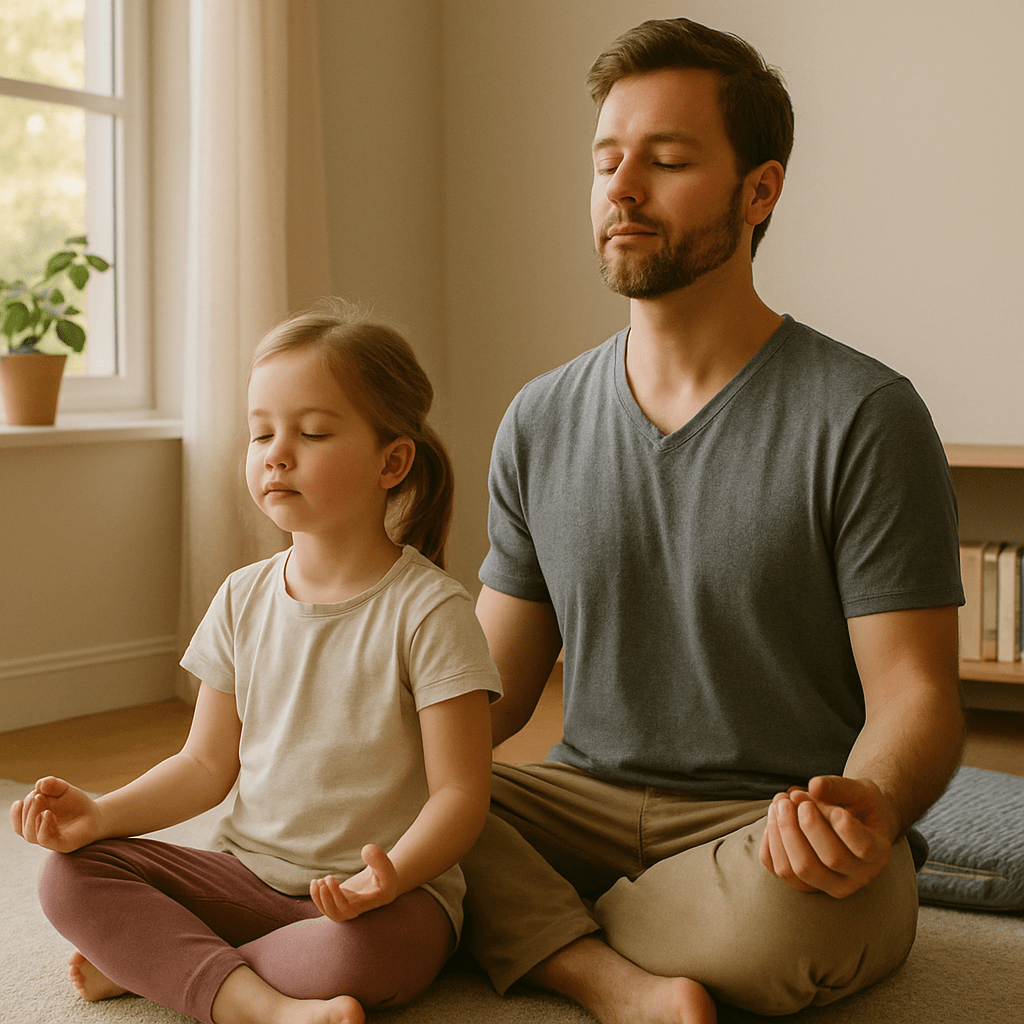
In today’s fast-paced and stimulus-filled world, children are facing more stress and emotional challenges than ever before. Whether it’s school pressure, social dynamics, screen time overload, or the general busyness of everyday life, kids are rarely given the tools they need to pause, process, and connect with themselves. Fortunately, meditation and breathing exercises can offer a simple yet powerful way to help children feel calmer, more focused, and emotionally resilient.
But how exactly can you introduce these concepts to children in a way that’s fun, age-appropriate, and effective? This blog post will guide you through the benefits of meditation and breathing for kids, when to start, and how to make it part of your daily routine.
—
Why Meditation and Breathing Exercises Matter for Kids
Meditation and mindful breathing aren’t just adult wellness trends — they can be incredibly beneficial for children as well. Here’s why:
Reduces stress and anxiety: Deep breathing signals the nervous system to relax. Regular practice can help children manage anxiety and overwhelming emotions.
Improves focus and attention: Mindfulness techniques can enhance a child’s ability to concentrate, which supports learning and school performance.
Boosts emotional regulation: Children who meditate are better equipped to recognize and manage their feelings.
Supports sleep: Breathing exercises and body awareness promote better sleep by helping kids wind down before bed.
Enhances self-awareness and empathy: Mindfulness encourages children to become more aware of themselves and more compassionate toward others.
—
When Can Kids Start Practicing Meditation?
The great news is that there’s no “too early” when it comes to introducing calming techniques. Even toddlers can benefit from simple breathing games or moments of stillness. Here’s a rough guideline:
Ages 2–4: Focus on playful breathing games, movement with awareness (like yoga), or short visualization stories.
Ages 5–7: Begin introducing short meditation sessions (1–3 minutes), simple breathing exercises, and mindful observation.
Ages 8–12: Expand to guided meditations, journaling with reflection, and more structured breathing patterns.
Remember: every child is unique, and the most important thing is to make the experience positive and pressure-free.
—
How to Introduce Meditation and Breathing to Kids
Here are practical tips to help you get started:
1. Start Small and Keep It Short
Children don’t need 20-minute sessions to feel the benefits. Start with just 1–3 minutes of quiet sitting or breathing, then gradually build as they grow more comfortable. Use a timer or gentle chime to signal the beginning and end.
2. Make It a Game
Children learn best through play. Turn breathing exercises into fun activities. For example:
“Smell the flower, blow out the candle”: Inhale through the nose (smelling the flower), exhale through the mouth (blowing out a candle).
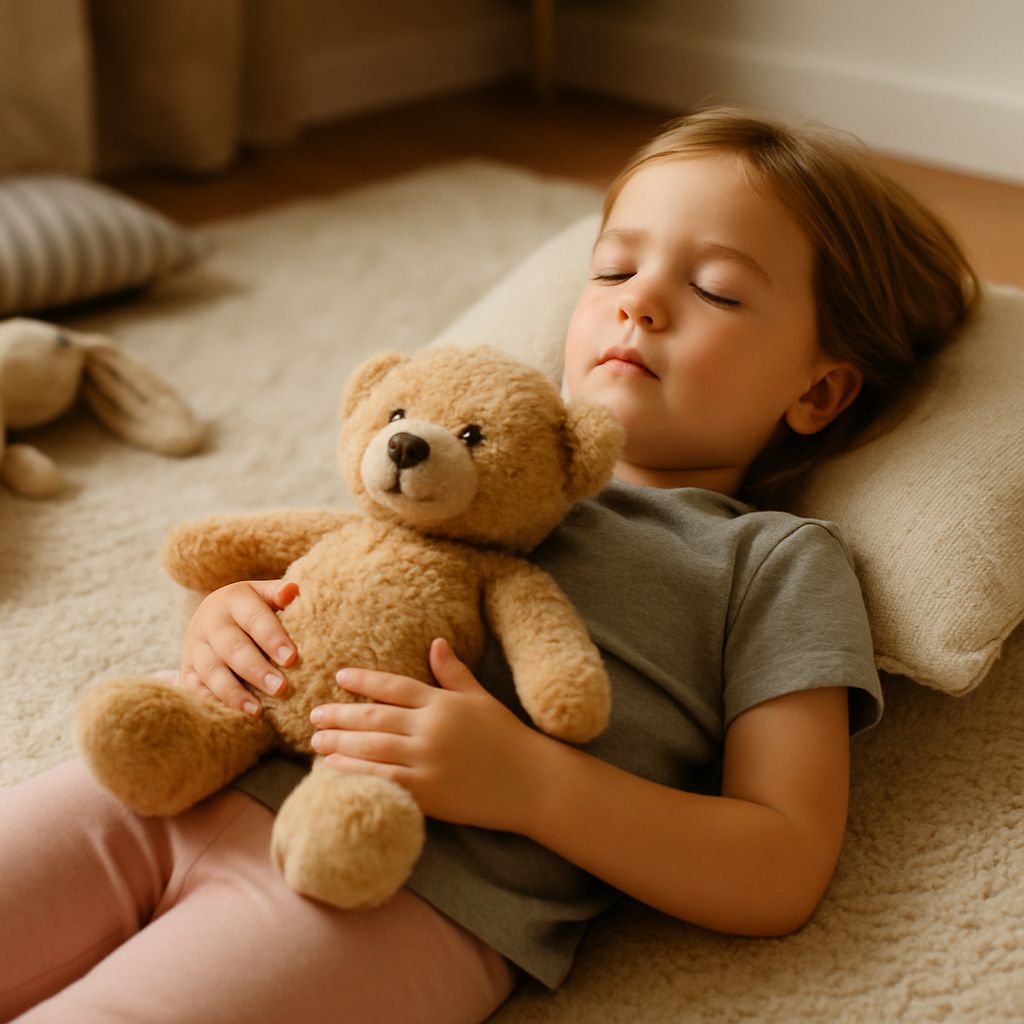
Teddy bear belly breathing: Have your child lie on their back with a stuffed animal on their tummy and watch it rise and fall as they breathe deeply.
3. Use Guided Meditations Made for Kids
There are many free apps and videos with child-friendly meditations. These often include gentle storytelling, calming music, and engaging imagery, making it easier for kids to focus and relax.
4. Incorporate Movement
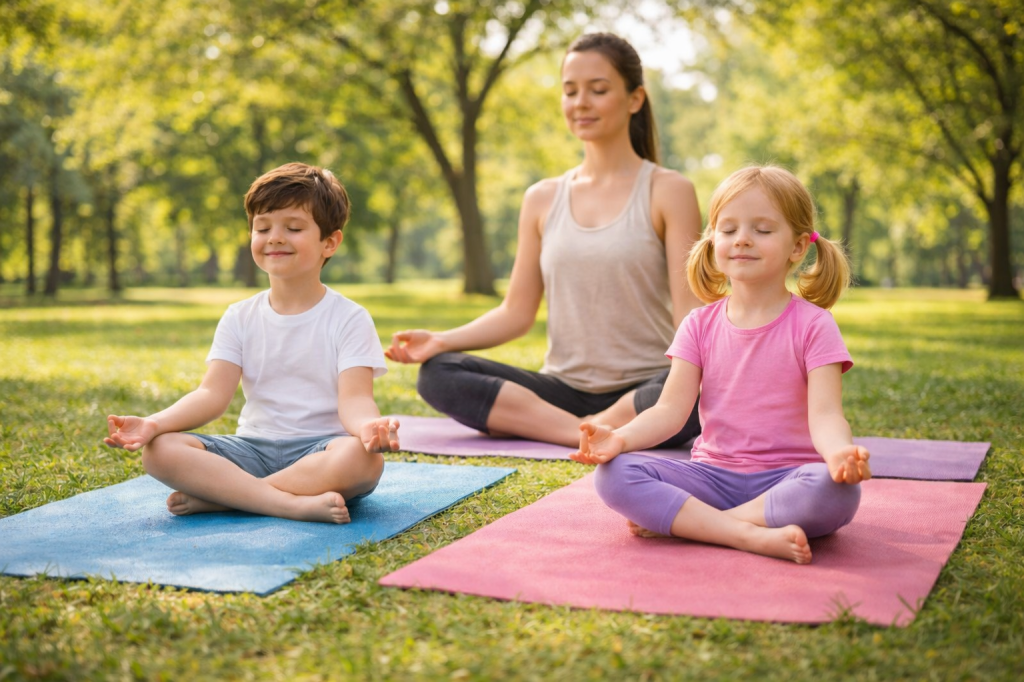
Not all meditation has to involve sitting still. Yoga, mindful walking, or stretching to music can help children become aware of their breath and body in a playful way.
5. Practice Together
Children are more likely to enjoy and value meditation if they see their parents or caregivers participating too. Make it a family habit — a peaceful start to the day or a wind-down ritual before bedtime.
6. Create a Calm and Inviting Space
You don’t need a meditation room — just a quiet corner with a cushion, soft lighting, and maybe a few calming items (like a sensory bottle or essential oil diffuser) can work wonders.
—
Sample Breathing Exercises for Kids
Here are a few simple and effective breathing techniques to try:
🌈 Rainbow Breathing
Have your child stretch their arms wide. As they breathe in, they slowly raise their arms in a big arc like a rainbow. As they breathe out, they lower them. Repeat while visualizing or naming colors of the rainbow.
🐉 Dragon Breathing
Pretend to be a powerful dragon! Inhale deeply through the nose, then exhale slowly and strongly through the mouth as if breathing out fire. This helps release tension.
🐚 Ocean Breath
Inhale slowly through the nose, then exhale with a gentle “haaa” sound, like the ocean waves. This breath is soothing and can help kids calm down before sleep.
🎈 Balloon Belly
Place hands on the stomach. Inhale and imagine inflating a balloon. Exhale and imagine the balloon gently deflating. Helps kids connect with their breath and body.
—
What If Your Child Resists?
It’s completely normal for children to fidget or express disinterest at first. The key is not to force it. Instead:
Keep sessions short and light-hearted.
Offer choices (e.g., “Do you want to do rainbow breathing or dragon breath today?”)
Try different times of day — some kids focus better in the morning, others before bed.
Celebrate their effort, not just their success.
Over time, many children begin to ask for these quiet moments themselves when they feel overwhelmed.
—
Making It a Routine
To build consistency, try weaving mindfulness and breathing into daily routines:
Morning: A short breathing game before heading out the door.
Afternoon: A reset after school to release tension.
Evening: A bedtime meditation or calm breathing with a night light.
You can even create a “Mindful Moment Jar” filled with paper slips that suggest different calming activities. Let your child pick one each day.
—
Long-Term Benefits of a Mindfulness Practice
As children grow, the ability to pause, breathe, and tune into their inner world becomes a life skill with wide-reaching benefits. These include:
Improved emotional regulation and resilience
Better relationships and communication
Stronger self-esteem and self-compassion
Reduced reactivity in stressful situations
Meditation and breathing don’t just help kids relax — they help them grow into emotionally intelligent, aware, and confident individuals.
—
Final Thoughts
Meditation and breathing exercises are simple, free tools that can have a profound impact on a child’s well-being. The key to success is patience, consistency, and making it enjoyable. You don’t need to be a meditation expert to guide your child — just your loving presence and a few mindful moments each day can make all the difference.
Start small. Explore together. And most importantly, enjoy the journey of discovering stillness, peace, and joy — one breath at a time.


 Bright Minds Journey
Leave a comment