
Empathy is one of the most important social-emotional skills children can develop. It helps them build strong relationships, communicate effectively, and understand the feelings of others. But empathy isn’t just something children are born with or learn in a single lesson. It’s a skill that grows gradually through repeated experiences and real-life situations.
In this blog post, we’ll explore how parents, caregivers, and educators can help children build empathy through simple, everyday moments. These strategies are practical, natural, and easy to incorporate into daily life.
—
1. Model Empathy Every Day
Children learn best by observing the adults around them. When they see you treating others with kindness, listening attentively, and acknowledging emotions, they begin to internalize these behaviors.
Use phrases like, “That must have been really hard for you,” or “I can see you’re upset. How can I help?”
Show compassion when others are struggling — even in small ways, like comforting a tired friend or helping a neighbor.
Talk openly about your own emotions, and how you manage them. This helps children learn that it’s normal to feel and express emotions.
2. Name and Validate Emotions
One of the building blocks of empathy is emotional awareness. Help children identify and label their own feelings and the feelings of others.
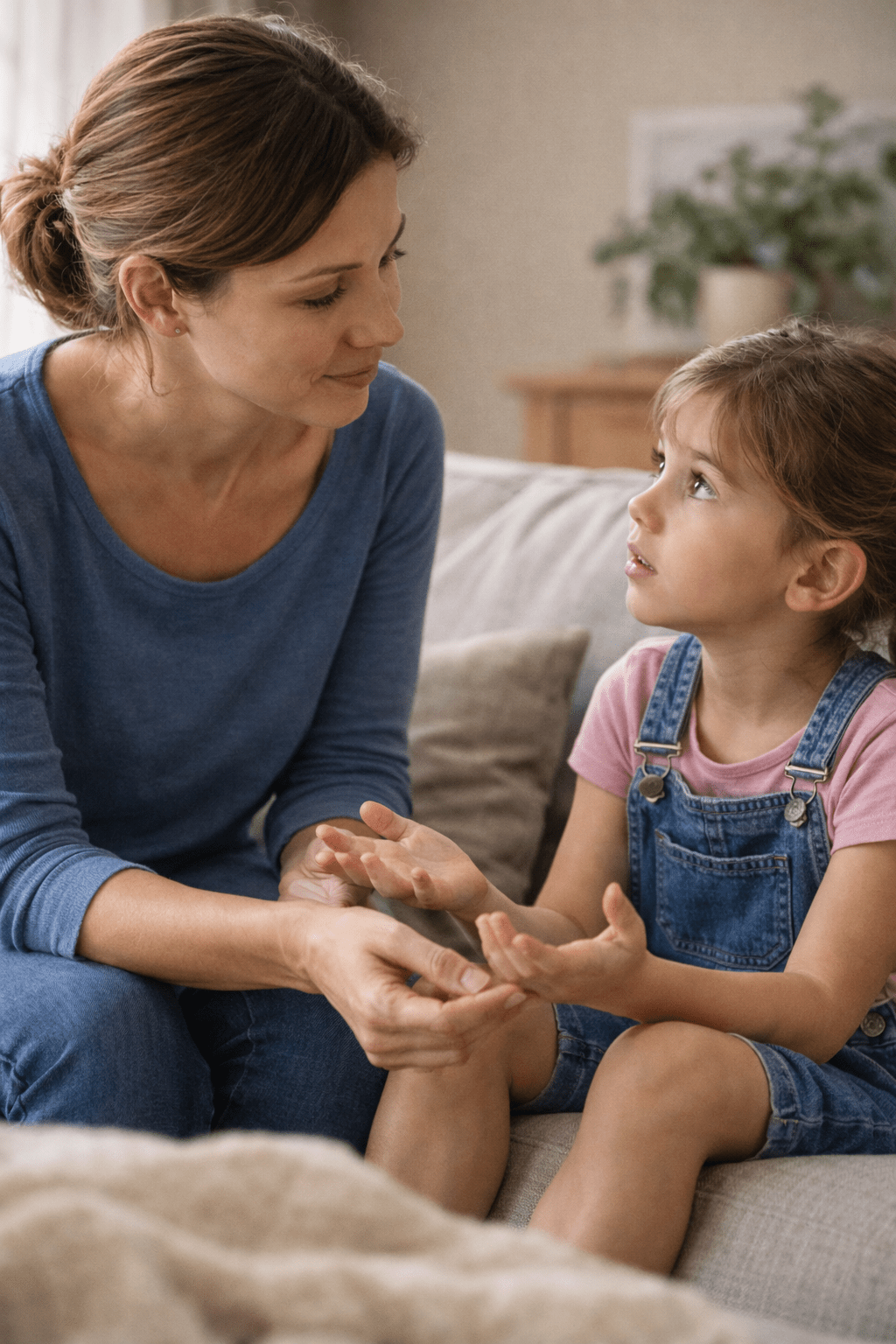
When your child is upset, instead of rushing to solve the problem, say something like, “You look frustrated. Do you want to talk about it?”
Read books together and pause to ask, “How do you think this character feels? What would you do in their place?”
Watch TV shows or movies and comment on the emotional reactions of characters.
3. Encourage Perspective-Taking
Perspective-taking is the ability to see things from another person’s point of view. It’s a powerful tool for developing empathy.
Ask questions like, “How do you think your friend felt when that happened?”
Talk about situations that happen at school or in the community, and encourage children to imagine how different people might feel.
Use role-play games where children pretend to be someone else, such as a friend, a sibling, or even a pet.
4. Teach the Language of Empathy
Children need words to express empathy. By teaching and practicing empathetic phrases, you help them build a toolkit for kind communication.
Phrases like “Are you okay?”, “I’m here for you,” or “That sounds really hard” go a long way.
Praise children when they use empathetic language. Reinforce it by saying, “That was really thoughtful of you to say that.”
Create a safe space where children feel comfortable sharing and responding to each other.
5. Use Mistakes as Teaching Moments
Conflict and mistakes are a natural part of life. Instead of punishing children for every misstep, use these moments to explore emotions and choices.
When a child hurts someone else, ask, “How do you think they felt? What can you do to make it better?”
Encourage apologies that come from understanding, not just obligation.
Reassure children that everyone makes mistakes, and learning from them is part of growing up.
6. Create Opportunities for Caring
Real-life acts of kindness help children experience the joy of helping others.
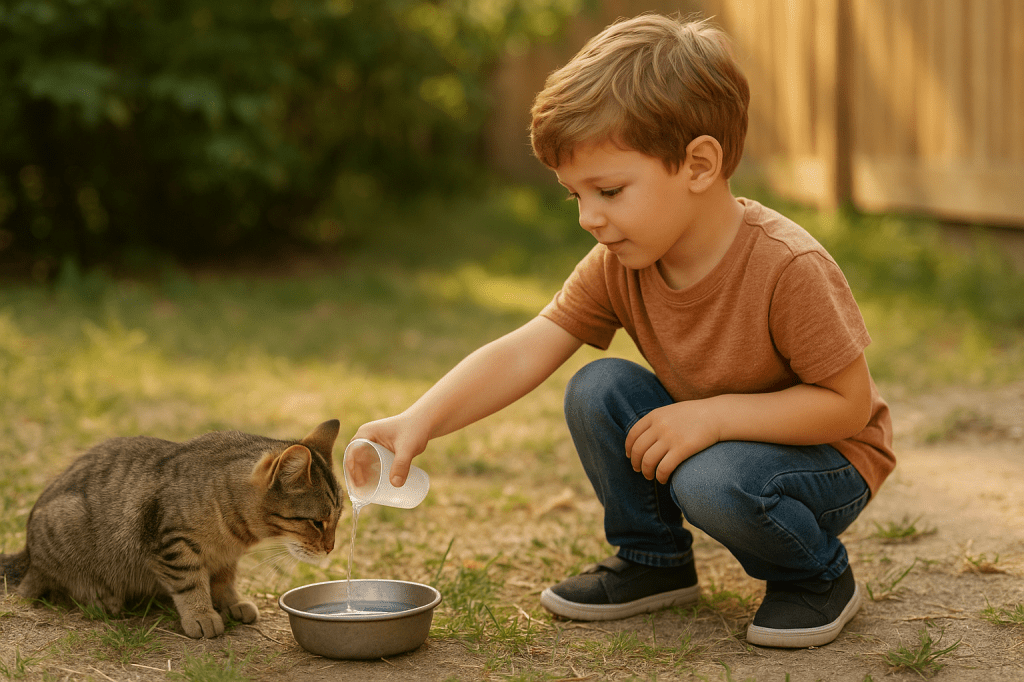
Encourage children to care for pets, plants, or younger siblings.
Get involved in community activities like making cards for elderly neighbors or participating in local clean-up events.
At home, create rituals that promote caring — like asking each other, “What was one kind thing you did today?”
7. Celebrate Differences
Empathy is also about understanding and respecting those who are different from us.
Expose children to books, stories, and media that reflect diverse cultures, abilities, and perspectives.
Talk about how everyone experiences the world in different ways, and that’s okay.
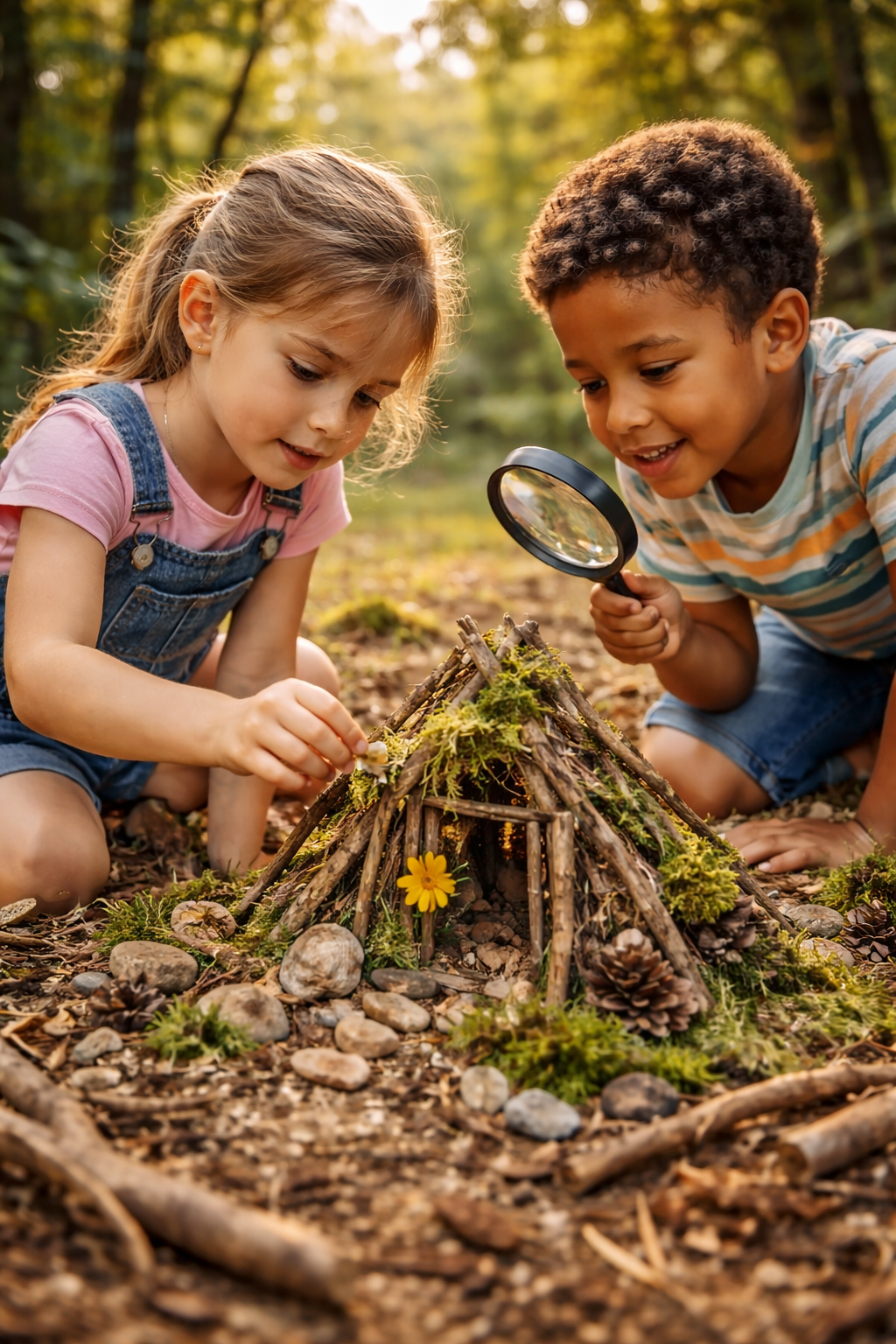
Encourage curiosity and openness rather than judgment.
8. Practice Mindfulness Together
Mindfulness helps children tune into their own emotions and notice the feelings of others.
Practice simple breathing exercises or body scans to help children become more self-aware.
Use mindfulness games that encourage listening, noticing, and reflecting.
Talk about how being calm and focused helps us notice when someone else might need help.
9. Be Patient and Consistent
Empathy develops over time. It’s normal for children to be self-focused at certain stages. Keep modeling, guiding, and reinforcing these lessons gently and consistently.
Celebrate small acts of empathy and kindness.
Avoid shaming children when they miss the mark. Instead, help them reflect and try again.
Remember that empathy is a journey, not a destination.
—
Final Thoughts
Helping children build empathy doesn’t require grand gestures or complicated programs. It starts in the everyday: a conversation after school, a moment of comfort, a shared story before bed.
By making empathy a natural part of your daily interactions, you’re planting the seeds of compassion, understanding, and connection — qualities that will stay with your child for a lifetime.
So the next time your child asks, “Why is she crying?” — take a moment, lean in, and start building empathy, one situation at a time.



 Bright Minds Journey
Leave a comment