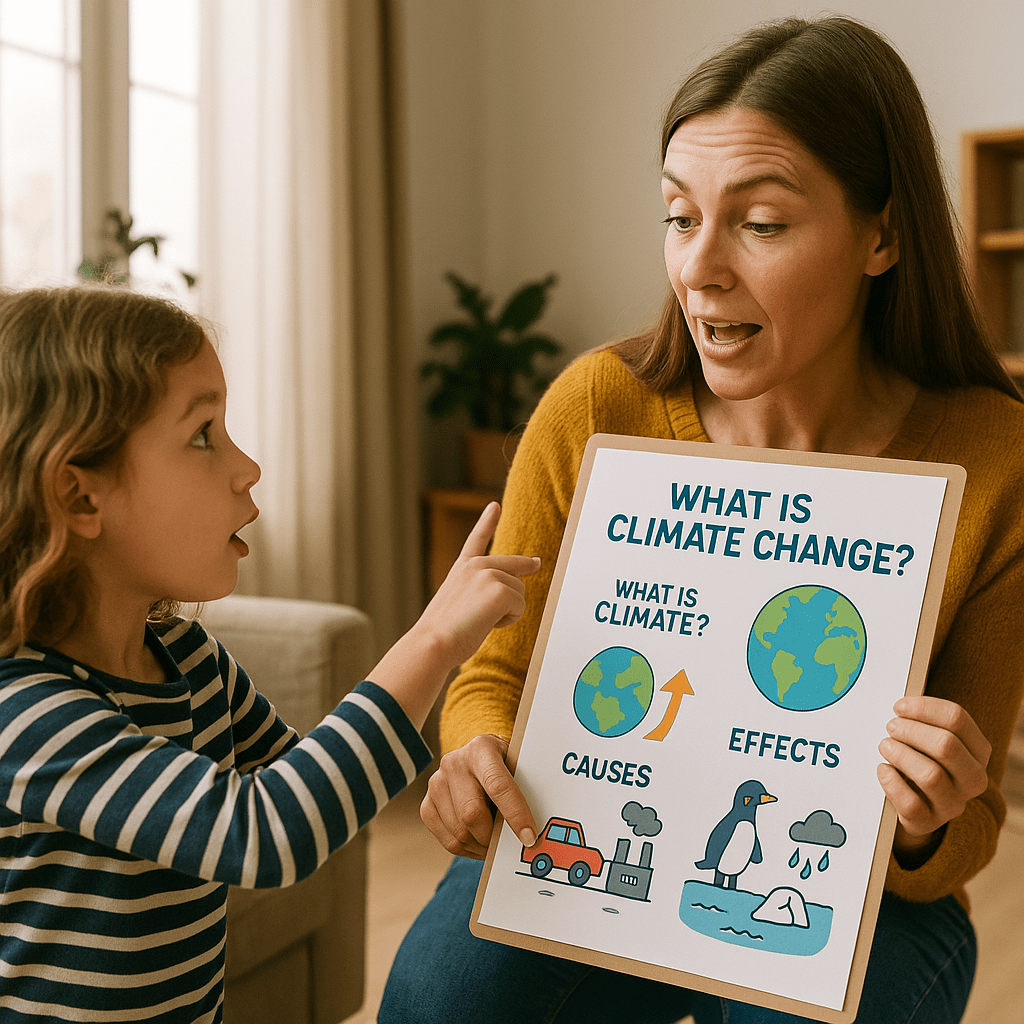
Understanding climate change can be difficult even for adults, so it’s no surprise that explaining it to children can feel like a real challenge. However, teaching kids about the environment from a young age helps them become responsible, caring, and proactive individuals. The key is to simplify complex topics, use relatable examples, and inspire hope rather than fear. In this article, we’ll explore how to explain climate change to children in age-appropriate and engaging ways.
—
1. Start with the Basics: What Is Climate?
Before diving into climate change, it’s essential that children understand what climate means. Explain that:
Weather is what we see and feel each day—sunny, rainy, windy, or snowy.
Climate is the typical weather in a place over a long time, like years or even centuries.
You might say:
> “The weather is like what clothes you wear today, but the climate is like the kind of clothes you need for a whole year.”
Use familiar examples:
“In Hungary, winters are cold and summers are warm. That’s part of our climate.”
“In tropical countries, it’s warm most of the time. That’s their climate.”
—
2. Explain What Climate Change Is in Simple Terms
Once they understand what climate is, explain that climate change means the Earth’s usual weather patterns are changing.
You might say:
> “The Earth is getting warmer, and that’s making the weather act a bit strange. Winters are sometimes not as cold, summers are getting hotter, and storms or floods can happen more often.”
Use visuals or analogies:
“It’s like when you wear a coat, and someone keeps putting more layers on you. Eventually, you get too warm and uncomfortable. That’s what’s happening to the Earth.”
—
3. Talk About the Causes – Gently
Kids don’t need a science lecture, but they can understand cause and effect. Focus on the idea of too much pollution.
“When we drive cars, use factories, or cut down forests, we create gases that trap heat around the Earth like a big blanket. This is called the greenhouse effect.”
“This blanket is getting too thick, and that’s why the planet is heating up.”
Show images of smoke from cars or factories, and then contrast it with clean energy (like wind turbines or solar panels). Visual learning is very effective for kids.
—
4. Discuss the Effects Without Causing Fear
Children may feel scared if they hear too much about disasters or endangered animals. It’s important to be honest, but also hopeful.
Some effects you can mention:
Glaciers are melting, which makes sea levels rise.
Some animals, like polar bears or penguins, are losing their homes.
Farmers may find it harder to grow crops if there’s too much heat or too little rain.
Then add:
> “But people all over the world are working together to solve these problems!”
—
5. Use Storytelling to Make It Memorable
Children understand better through stories. You could tell a story like this:
> “Once upon a time, the Earth was like a happy garden. But over time, the garden got too hot and the flowers started to droop. Then, children from all around the world came together. They planted trees, cleaned up trash, and asked adults to use clean energy. Slowly, the Earth started to smile again.”
You can also recommend age-appropriate books or cartoons about the environment. Story-based learning builds empathy and interest.
—
6. Involve Them in Solutions
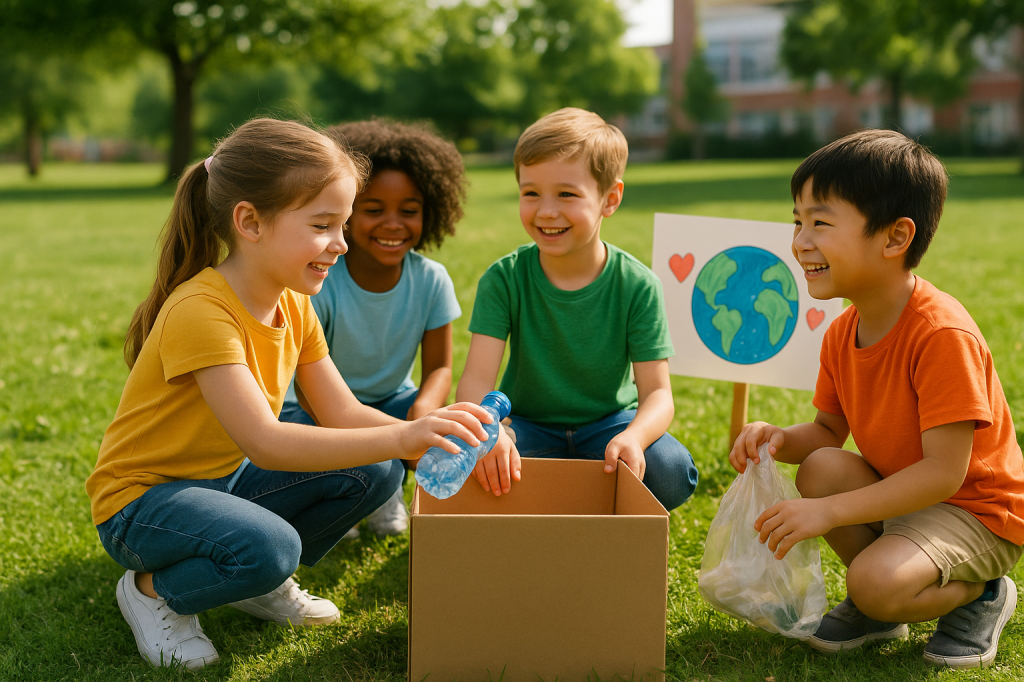
This is one of the most powerful ways to teach children about climate change. Give them actions they can take—things that make them feel like heroes, not victims.
Examples:
Recycling: “Let’s sort the trash together!”
Saving energy: “Can you be in charge of turning off lights?”
Walking or biking: “Let’s walk to the store instead of driving.”
Using less plastic: “Let’s bring our own bags when we go shopping.”
Planting trees or flowers: “Want to help the Earth grow?”
Explain:
> “Every small step helps. If everyone does something good for the Earth, it really adds up!”
—
7. Answer Their Questions Honestly
Children may ask:
“Will the Earth be okay?”
“Can animals still live in the ocean?”
“What if we don’t fix it?”
Answer with honesty, but emphasize that we’re not helpless:
> “Yes, the Earth is going through a tough time, but people are working very hard to help. There are scientists, inventors, kids, and even world leaders doing their best.”
If you don’t know the answer, that’s okay:
> “That’s a great question. Let’s find out together.”
This encourages curiosity and learning.
—
8. Use Fun Activities to Reinforce Learning
Children retain more when learning is fun. Here are a few activity ideas:
Make a weather journal to track how the weather changes.
Create art from recycled materials.
Build a mini greenhouse from a plastic bottle to show how heat gets trapped.
Watch educational videos or cartoons about nature and the environment.
Encourage them to share what they learn with friends or classmates. This builds confidence and reinforces their knowledge.
—
9. Teach Hope, Not Doom
It’s tempting to focus on what’s going wrong, but children need hope and empowerment. Frame climate change as a challenge we can overcome together.
Say things like:
“We can make the Earth healthy again.”
“You’re already doing things to help!”
“Every person matters.”
Introduce them to young climate heroes like Greta Thunberg or local student projects that are making a difference. Seeing kids their own age take action is very powerful.
—
10. Make It Part of Daily Life
The more often kids hear about the environment in everyday life, the more they care about it.
Ideas:
Involve them in eco-friendly decisions at home.
Choose books and toys that support environmental awareness.
Let them help pack eco-friendly lunches (reusable boxes, no plastic wrap).
Celebrate Earth Day together with a small project or event.
This makes the topic less of a “lesson” and more of a normal part of life.
—
Final Thoughts
Explaining climate change to children doesn’t have to be overwhelming. When we talk openly, use simple words, and include them in positive action, we plant the seeds of environmental awareness early. Kids are naturally curious, compassionate, and eager to help.
By teaching them that their actions matter—and that the Earth is something worth protecting—we raise a generation that’s ready to build a better future.
Let’s give them the knowledge, tools, and hope to do just that.





 Bright Minds Journey
Leave a comment