
The end of summer is a bittersweet time for many families. Long days of sunshine, flexible schedules, and spontaneous adventures are slowly giving way to early mornings, packed lunches, and structured routines. For children, this shift can be exciting – the promise of new friends, new teachers, and fresh opportunities. But it can also feel overwhelming. Parents often face the challenge of easing their children back into “school mode” while managing their own work, household tasks, and schedules.
The good news? With a little planning and a positive approach, the back-to-school season can become a smooth, even joyful, transition. Below, we’ll explore ten practical, parent-tested tips to help your child feel prepared, confident, and excited about the year ahead.
—
1. Start the Routine Early
One of the biggest hurdles in returning to school is adjusting from relaxed summer days to a fixed schedule. Instead of flipping the switch overnight, try making gradual changes.
How to do it:
Shift bedtime and wake-up times gradually. Move bedtime 15 minutes earlier every night, and wake your child up 15 minutes earlier in the morning, until you reach the school schedule.
Practice the morning flow. Have your child get dressed, eat breakfast, and “pretend” they’re leaving for school – even if it’s just for a trip to the library.
Reintroduce school-like habits. Encourage quiet reading or a small writing task in the morning to mimic classwork focus.
> Pro Tip: Use a fun morning playlist to make wake-up time more cheerful. Kids are more motivated when the routine has a positive vibe.
—
2. Create a Family Command Center
Back-to-school often means juggling multiple schedules – yours, your child’s, and sometimes siblings’ too. A family command center keeps everyone on track.
What to include:
A large wall calendar to note important dates: the first day of school, picture day, sports practice, field trips.
To-do and reminder lists – e.g., “Sign permission slip” or “Pack gym shoes.”
Supply storage for homework papers, lunch menus, and event flyers.
Example:
In our home, we have a magnetic whiteboard by the kitchen door. Each child has a column with their weekly schedule, and colour-coded markers make it easy to see at a glance who has what activity.
> Pro Tip: Snap a quick photo of the weekly schedule and keep it on your phone – perfect for when you’re out shopping or scheduling appointments.
—
3. Shop for School Supplies Together
Rather than rushing through school supply shopping alone, turn it into a special event with your child.
Why it works:
Builds excitement and ownership over their school experience.
Teaches budgeting and prioritising.
Gives you quality time to talk about the upcoming year.
Steps for success:
1. Print the supply list from school.
2. Set a budget and explain it to your child.
3. Allow one “just for fun” item – a novelty pen, a sticker pack, or a backpack charm.
Example:
If your child chooses a bright blue binder with their favourite animal on it, that small personal touch can make homework time a little more enjoyable.
—
4. Set Up a Homework-Friendly Space
Homework battles often come down to environment. A clear, organised space signals to your child that it’s time to focus.
Checklist for an ideal homework spot:
Good lighting – natural if possible, or a desk lamp with warm light.
Essential supplies – pencils, erasers, ruler, scissors, glue, coloured pencils.
Minimal distractions – no TV, minimal toys in the area.
Example:
One parent shared that her child’s grades improved simply by moving homework to a corner desk instead of the kitchen table, where the bustle of meal prep was distracting.
> Pro Tip: A small plant on the desk can make the space more inviting – studies show greenery can boost concentration.
—
5. Warm Up Learning Skills
Over summer, some children experience the “summer slide” – a dip in academic skills. You can help them feel confident by making learning fun before school begins.
Ideas:
Math scavenger hunts – Hide number problems around the house.
Storytime swaps – You read a page, they read the next.
Everyday learning – Let your child measure ingredients when cooking, or calculate change when shopping.
Example:
A family I know does “10-minute math” every evening the week before school – a quick, light-hearted way to get the brain warmed up without making it feel like homework.
—
6. Talk About Feelings and Expectations
Children process the upcoming school year emotionally before they step into the classroom. Addressing these feelings head-on helps reduce anxiety.
How to start:
Ask open questions: “What are you excited about?” and “What’s one thing you’re nervous about?”
Share your own experiences – even the funny or awkward ones.
Discuss solutions together: If your child fears they won’t know anyone, you could plan a playdate with a classmate before school starts.
> Pro Tip: Create a “worry box.” Your child can write down a worry, put it in the box, and discuss it with you when ready.
—
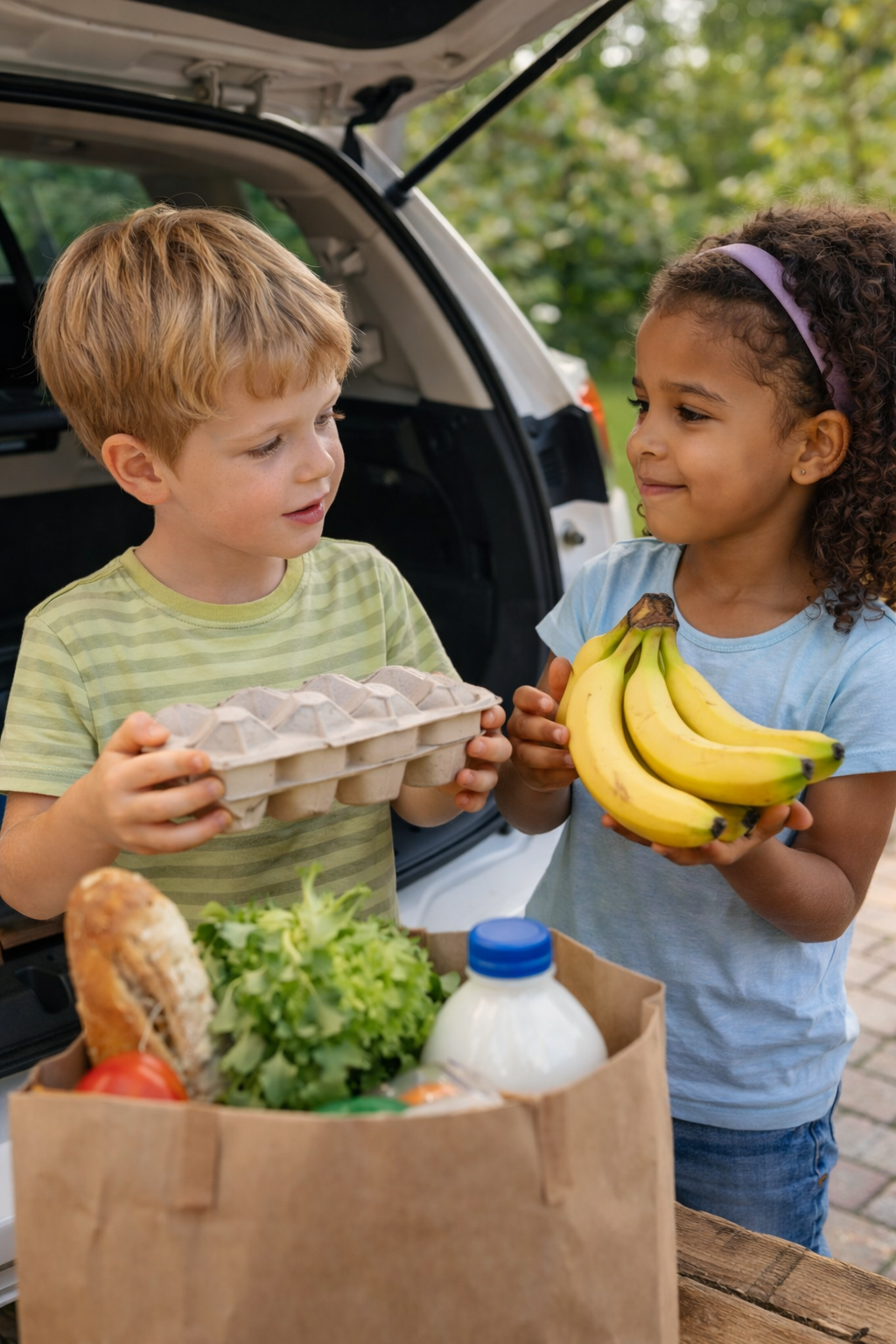
7. Plan Nutritious Meals and Snacks
Food fuels learning. Planning ahead can save you from last-minute lunch stress.
Breakfast ideas:
Wholegrain toast with peanut butter and banana slices.
Yogurt parfait with berries and granola.
Scrambled eggs with spinach and cheese.
Lunchbox favourites:
Wraps with turkey, cheese, and lettuce.
Pasta salad with veggies and feta.
Bento boxes with fruit, crackers, and cheese.
After-school snacks:
Apple slices with almond butter.
Hummus with carrot sticks.
Homemade trail mix.
> Pro Tip: Prep snacks in small containers over the weekend so they’re grab-and-go during the week.
—
8. Build an After-School Routine
Kids thrive when they know what to expect. Structure helps balance schoolwork and downtime.
Sample routine:
1. Snack and relax (15 minutes).
2. Homework or reading time.
3. Active play – outdoors or a sport.
4. Dinner and family time.
5. Bedtime routine.
Example:
One parent uses a simple picture chart for younger kids – it shows each step in the after-school routine, making transitions smoother.
—
9. Prepare the Night Before
Morning chaos can lead to forgotten items and stressed parents. A little prep time each evening changes everything.
Evening checklist:
Lay out clothes.
Pack backpack and lunch.
Check the calendar for special events.
Example:
My neighbour swears by the “launch pad” system – a small shelf by the door where all school items go each night. No more “Where’s my homework?” in the morning.
—
10. Keep the Vibe Positive
Your attitude towards school sets the tone for your child.
Ways to encourage positivity:
Celebrate small wins – “You finished your first week!”
Focus on effort, not just grades.
Share stories about your own love of learning.
> Pro Tip: End each school day with a “highlight moment” discussion – ask your child to share the best thing that happened that day.
—
Final Thoughts
Back-to-school doesn’t have to mean back-to-stress. By starting early, organising together, and making room for fun, you can turn the transition into a positive experience for the whole family. Remember, it’s not just about getting through the first week – it’s about setting habits and attitudes that will last all year.
With preparation, patience, and a sprinkle of excitement, you’re not just sending your child back to school – you’re setting them up for a confident, successful year.







 Bright Minds Journey
Leave a comment