
The countdown to the first day of school has begun. For many children, the end of summer brings a whirlwind of feelings: excitement about reuniting with friends, curiosity about what they will learn, and maybe a little nervousness about facing new challenges.
As parents, we want to make sure our children walk into the classroom feeling confident, capable, and ready to learn. But here’s the secret: you don’t need to turn your home into a mini classroom or spend hours on drills. In fact, one of the most effective ways to prepare for the new school year is through playful learning – activities so fun and engaging that your child might not even realise they’re learning.
In this expanded guide, we’ll dive into ten creative, practical, and easy-to-implement strategies to get your child’s brain and confidence ready for the year ahead – without sacrificing the joy of summer.
—
Why Playful Learning Works
Playful learning is more than just “fun and games.” When children are engaged in hands-on activities they enjoy, their brains make stronger connections, they’re more likely to remember what they’ve learned, and they build a positive attitude toward school.
Key benefits:
Reduces stress – Play removes the pressure and anxiety often associated with “getting ready” for school.
Boosts motivation – Children are more willing to participate and persist when they’re having fun.
Improves retention – Learning linked to real-life experiences sticks longer.
Develops life skills – Many games involve cooperation, problem-solving, and communication.
> Pro Tip: The goal isn’t to get ahead on the curriculum but to warm up the brain and make learning a natural, enjoyable part of daily life.
—
1. Word Games for Vocabulary Boost
A strong vocabulary is a foundation for reading comprehension, confident speaking, and creative writing. Instead of memorising word lists, turn vocabulary practice into a game.
Example Activity – Word Scavenger Hunt:
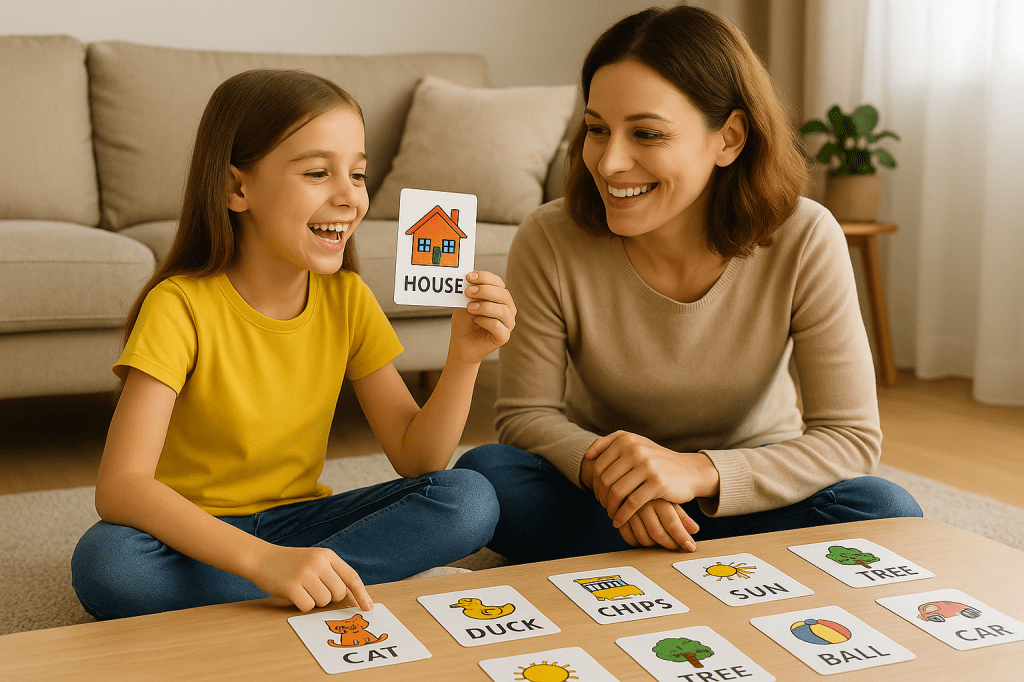
Hide small cards with words around the house or garden. When your child finds one, they read it aloud and use it in a sentence. For younger kids, add pictures to the words to help with recognition. For older kids, challenge them to create a short story using all the words they’ve found. This turns reading into a mini adventure.
Example Activity – Silly Story Starters:
Write the beginning of a silly sentence, such as “The purple elephant decided to…” and have your child finish it. Keep taking turns until you have an entire story. You can record the story together or turn it into a comic strip later.
Example Activity – “I Spy” with Letters:
Instead of colours, use letters: “I spy with my little eye something beginning with S.” This works well in the car or while waiting in line.
> Try This: Create a “Word of the Day” jar. Pick a word each morning and challenge the family to use it at least three times in conversation.
—
2. Math Through Play
Math skills can slip during the summer, but worksheets aren’t the only way to practise. Everyday activities are full of math opportunities.
Example Activity – Cooking Math:
Cooking is one of the best hands-on math lessons. Let your child measure ingredients, compare fractions, and talk about sequences (“First we preheat the oven, then we mix the batter”). You can even double or halve a recipe to introduce multiplication and division.
Example Activity – Board Games with Dice:
Games like Snakes and Ladders, Ludo, and Monopoly Junior involve counting spaces, adding dice rolls, and basic decision-making. Card games like Uno help with number recognition and strategy.
Example Activity – Math in the Shop:
Give your child a small budget at the grocery store and let them choose items while keeping track of the total. This teaches addition, subtraction, and making value-based choices.
> Try This: Create “Number Bingo” cards with simple math problems instead of numbers. When they solve the problem, they can mark the square.
—
3. Creative Writing and Drawing
Writing and drawing are powerful ways to prepare for school because they strengthen fine motor skills, storytelling ability, and self-expression.
Example Activity – Summer Memory Journal:
Encourage your child to keep a journal about their favourite summer moments. They can draw pictures, write sentences, or both. Younger kids can dictate while you write for them.
Example Activity – Comic Strip Fun:
Give your child blank comic templates. They can draw scenes and add speech bubbles. Comics are less intimidating than long writing tasks and encourage sequencing.
Example Activity – Postcards to Friends:
Write postcards describing a trip or fun day out. This teaches concise writing, spelling, and addressing mail.
> Try This: Keep an “Idea Notebook” handy so your child can jot down funny phrases, things they’ve seen, or story ideas anytime.
—
4. Science at Home
Science activities spark curiosity and teach observation, prediction, and problem-solving.
Example Activity – Sink or Float?:
Fill a tub with water. Gather a variety of objects and ask your child to predict whether each will sink or float before testing. Discuss why.
Example Activity – Nature Hunt:
Go outside and collect leaves, rocks, or flowers. Use a guidebook or an app to identify them. This connects science with the real world.
Example Activity – DIY Volcano:
Mix baking soda, vinegar, and food colouring for a fizzy eruption. This introduces basic chemistry in an exciting way.
> Try This: Plant bean seeds in a clear jar with damp cotton so your child can watch the roots grow day by day.
—
5. Reading Adventures
Daily reading builds vocabulary, comprehension, and a lifelong love of books.
Example Activity – Library Trip:
Let your child choose books that interest them, even if they’re not “academic.” The more they enjoy reading, the more they’ll do it.
Example Activity – Read Aloud and Act It Out:
Take turns reading pages. Use voices for characters and act out scenes to make the story come alive.
Example Activity – Reading Passport:
Create a “passport” where each finished book earns a stamp or sticker. Set a small goal for the number of stamps before school starts.
> Try This: Make “book picnics” where you read outside with snacks. Changing the setting makes reading special.
—
6. Games for Focus and Memory
School requires sustained attention, so practice these skills through play.
Example Activity – Memory Match:
Lay cards face down and take turns flipping to find matching pairs. Start with fewer cards and add more as they improve.
Example Activity – Simon Says:
This classic game strengthens listening skills and following instructions.
Example Activity – What’s Missing?:
Place several objects on a tray, let your child study them, then remove one and see if they can identify it.
> Try This: Clap a rhythm and have your child repeat it. Gradually increase the complexity.
—
7. Arts and Crafts with a Learning Twist
Craft projects improve creativity, coordination, and patience.
Example Activity – Friendship Bracelets:
Pattern-making teaches early math and sequencing. Let your child design their own colour combinations.
Example Activity – LEGO Engineering:
Challenge them to build the tallest tower or a bridge that can hold a certain weight.
Example Activity – Family Time Capsule:
Fill a box with drawings, photos, and small items. Seal it to open at the end of the school year.
> Try This: Display completed projects at home to boost confidence and pride.
—
8. Social Skill Practice
Comfort with peers makes the school transition much smoother.
Example Activity – Playdate with a Classmate:
If possible, meet a friend from the upcoming class. This builds familiarity before the first day.
Example Activity – Role-Playing:
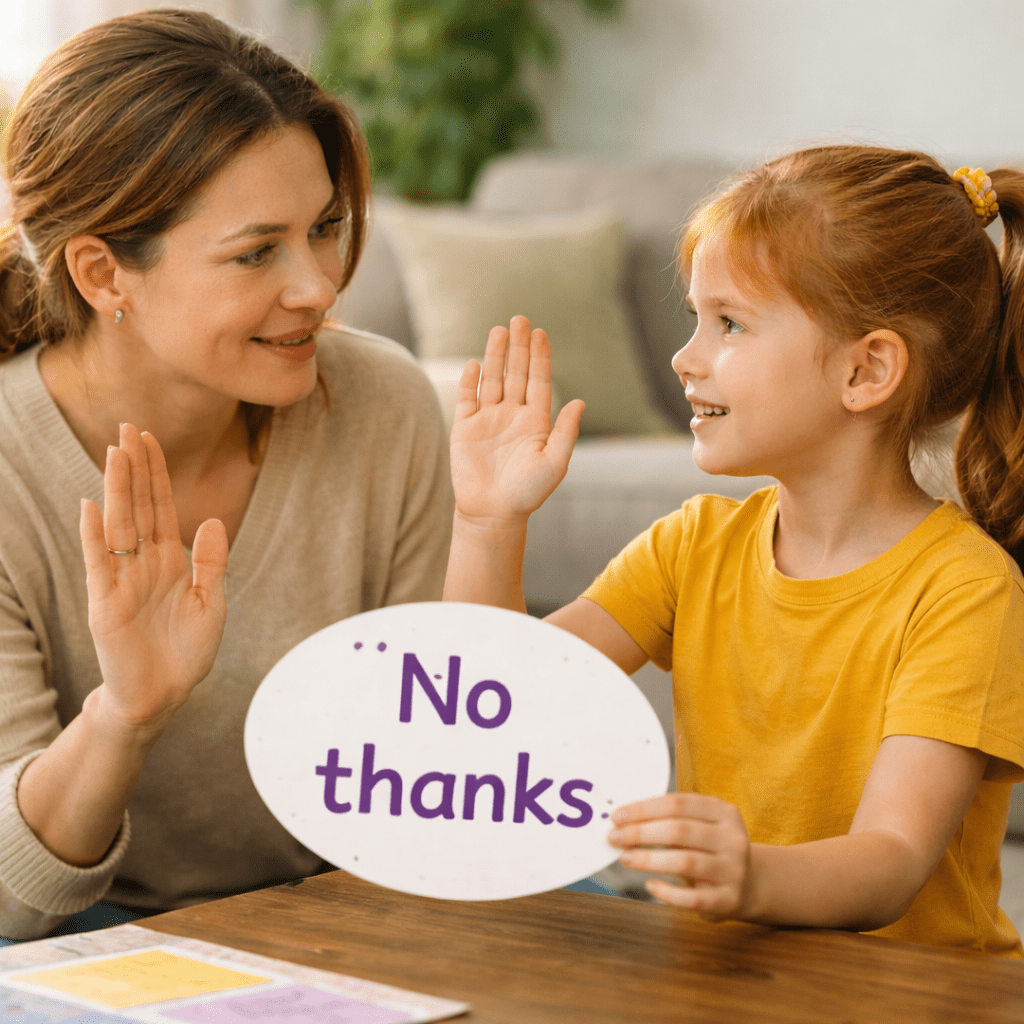
Act out situations like joining a game, asking a teacher for help, or introducing yourself.
Example Activity – Board Games:
Games that require turn-taking and cooperation teach patience and sportsmanship.
> Try This: Practice “small talk” by taking turns asking and answering simple questions.
—
9. Outdoor Learning
Outdoor play combines physical activity with educational opportunities.
Example Activity – Math Walk:
Count cars, spot patterns, or tally the number of red doors on your street.
Example Activity – Sidewalk Chalk:
Draw shapes, letters, or hopscotch grids to practice numbers.
Example Activity – Nature Patterns:
Look for symmetry in leaves or patterns in flower petals.
> Try This: Use a tape measure to track the length of your child’s shadow at different times of day and talk about why it changes.
—
10. Make It a Family Affair
Children are more motivated when learning feels like a shared adventure.
Example Activity – Family Game Night:
Choose educational board games or trivia challenges.
Example Activity – Cooking Together:
Follow a recipe as a family, practising reading, measuring, and timing.
Example Activity – “What I Learned Today” Time:
Each family member shares one new thing they learned, no matter how small.
> Try This: Keep a “Family Learning Jar” to fill with new facts or skills you’ve discovered together.
—
Final Thoughts
Preparing for school doesn’t have to mean sitting at a desk all summer. When you turn everyday moments into playful learning opportunities, your child will enter the school year with curiosity, confidence, and joy. Keep the pressure low, the smiles high, and the memories meaningful – and you’ll set them up for success far beyond the classroom.



 Bright Minds Journey
Leave a comment