
Play is often seen as something children do after learning—a reward, a break, or simply entertainment. In reality, play is one of the most powerful learning tools children have. Long before worksheets, textbooks, or formal instruction enter their lives, children are already learning constantly through play.
In this article, we explore how children actually learn while playing, why play is essential for cognitive, emotional, and social development, and how parents can support meaningful learning experiences—without turning play into pressure.
Play is not the opposite of learning
A common misconception is that learning and play are separate. Learning is often imagined as structured, quiet, and adult-led, while play is seen as noisy, chaotic, and child-led. However, research and real-life observation consistently show that play is learning—just in a different form.
When children play, they:
- Experiment with ideas
- Test cause and effect
- Practice problem-solving
- Explore emotions and relationships
- Develop language and thinking skills
All of this happens naturally, driven by curiosity rather than obligation.
How the brain learns during play
Play activates multiple areas of the brain at once. Unlike passive activities, play requires children to think, decide, adapt, and imagine. This creates strong neural connections that support long-term learning.
During play, children often:
- Repeat actions to understand patterns
- Adjust strategies when something doesn’t work
- Combine previous knowledge with new experiences
- Stay focused for longer periods than in forced tasks
Because play is self-motivated, children are more engaged—and engagement is a key ingredient in effective learning.
Different types of play, different kinds of learning
Not all play looks the same, and each type supports different developmental areas.
Free play
This is child-led, unstructured play with no specific goal set by adults. It supports:
- Creativity and imagination
- Emotional expression
- Independence and self-regulation
Pretend and role play
Playing “house,” “school,” or “shop” helps children:
- Understand social roles
- Practice empathy
- Develop language and storytelling skills
Physical play
Running, climbing, and movement-based games support:
- Motor skills
- Spatial awareness
- Brain-body coordination
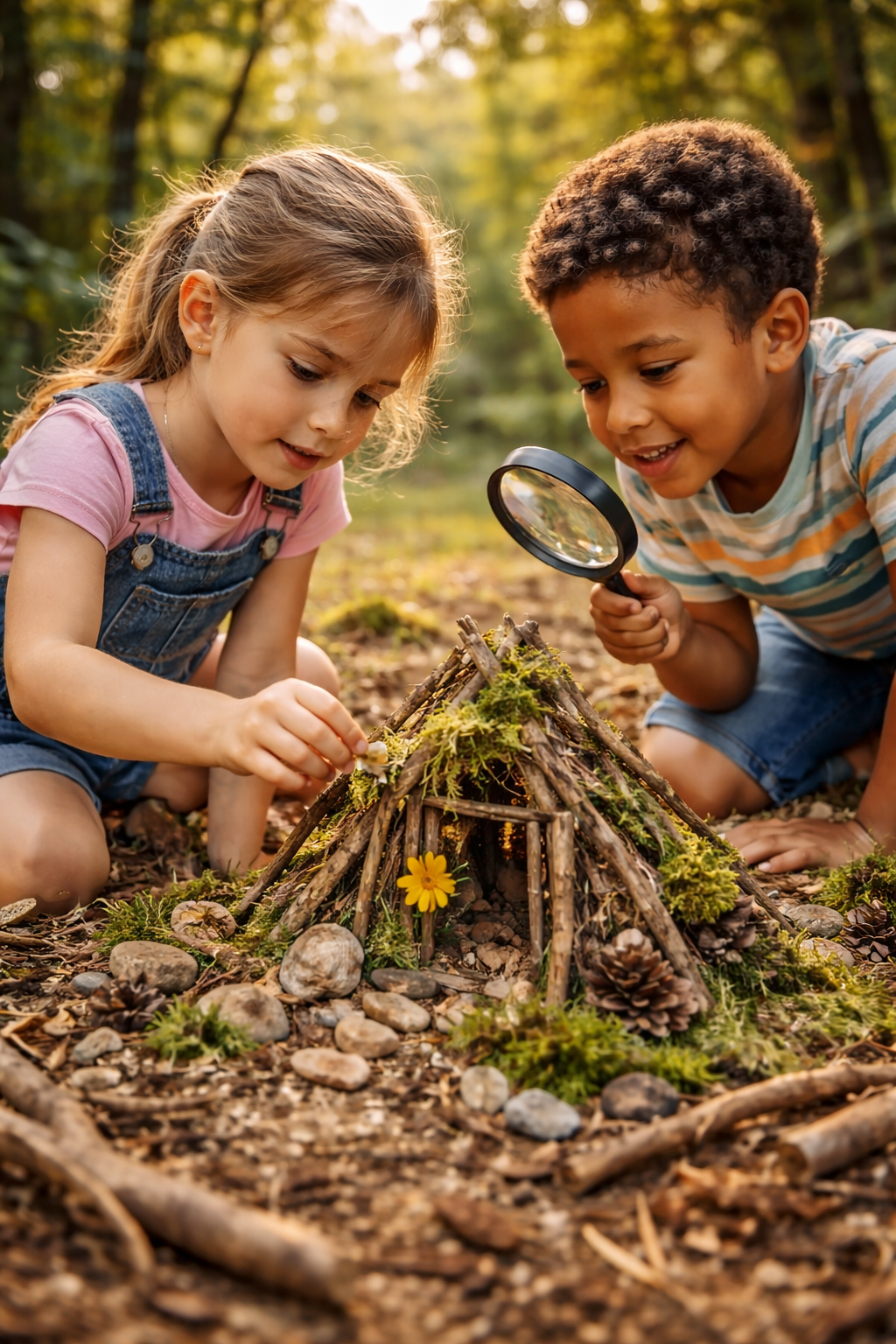
Constructive play
Building with blocks, puzzles, or materials teaches:
- Problem-solving
- Planning and persistence
- Mathematical and spatial thinking
Each form of play contributes to learning in a unique and valuable way.
Learning without fear of failure
One of the greatest strengths of play-based learning is that it happens in a safe emotional space. In play, mistakes are not failures—they are part of the process.
When a tower falls or a game doesn’t go as planned, children naturally try again. This builds:
- Resilience
- Flexibility
- Confidence in problem-solving
Unlike formal learning environments where mistakes may feel stressful, play allows children to experiment freely without fear of judgment.
Language development through play
Play is one of the richest environments for language learning. Children naturally expand their vocabulary and communication skills while playing, especially when interacting with others.
Through play, children:
- Practice new words in meaningful contexts
- Learn turn-taking and conversation flow
- Experiment with storytelling and narration
- Express emotions verbally
Even quiet, independent play often involves internal dialogue, which supports thinking and language organization.
Emotional learning hidden in play
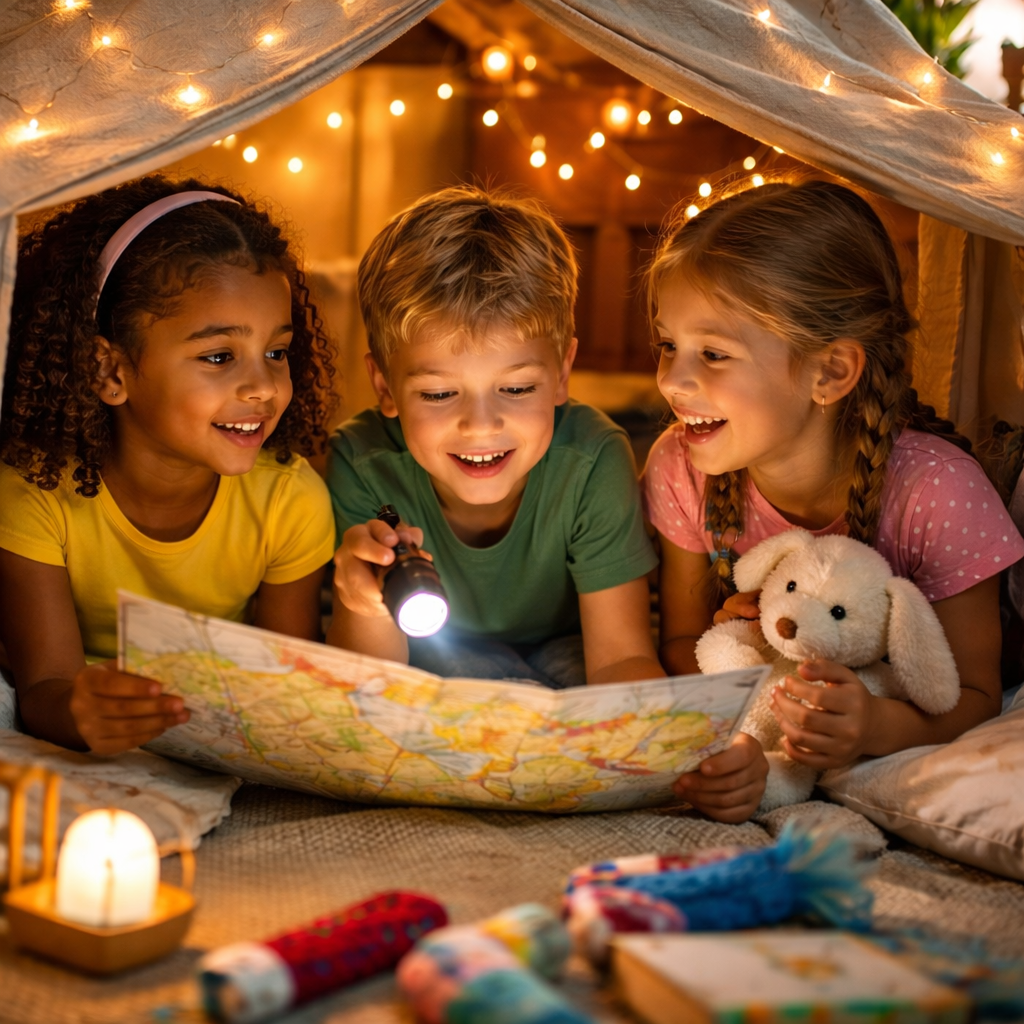
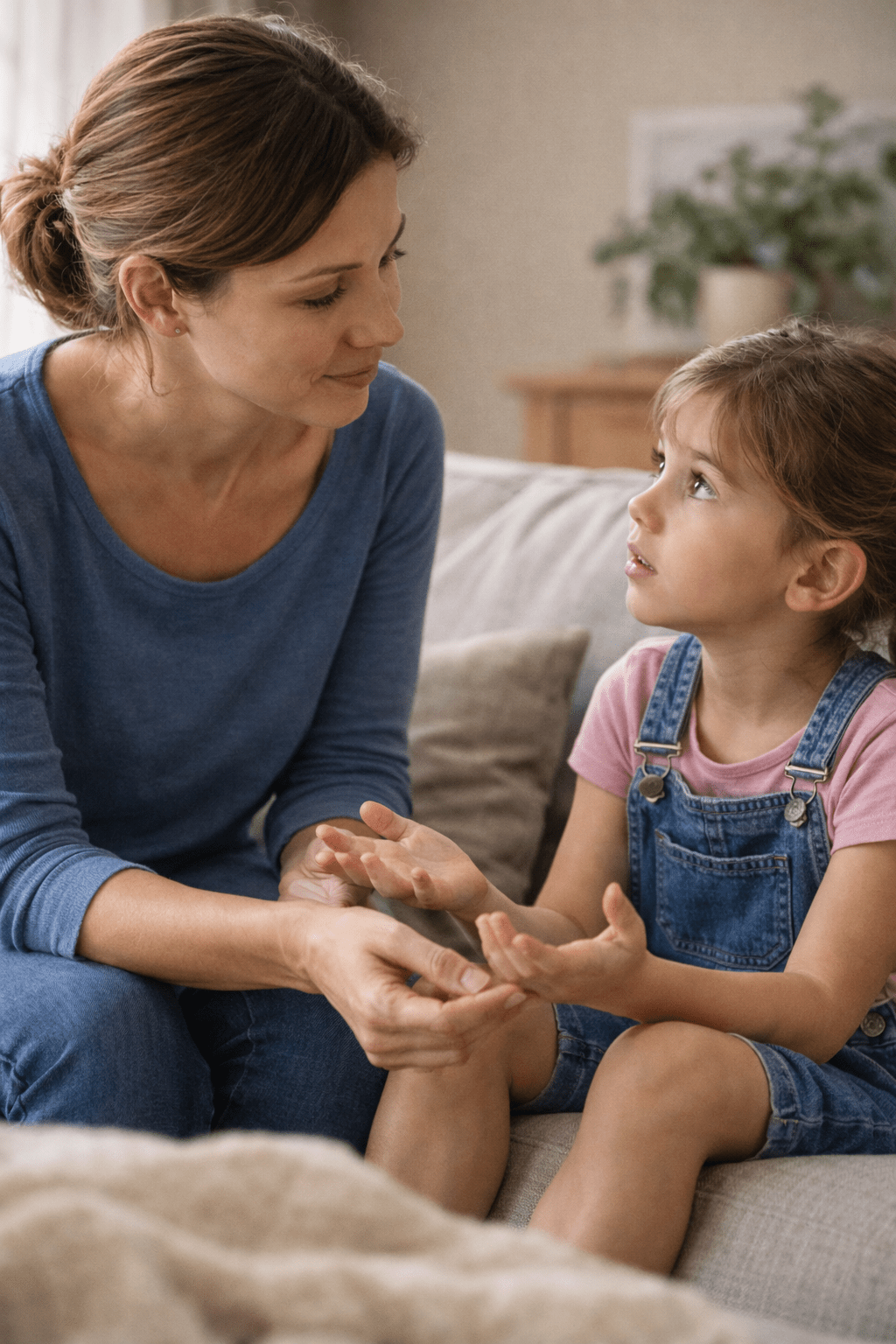
Play is also a powerful tool for emotional development. Children often act out real-life experiences, worries, and feelings during play—sometimes without realizing it.
Through play, children learn to:
- Recognize emotions
- Manage frustration
- Understand others’ perspectives
- Regulate impulses
This is especially important for younger children who may not yet have the words to explain their emotions directly.
Social skills grow naturally through play
When children play together, they constantly negotiate, cooperate, and adapt. These social interactions are complex learning experiences.
Play teaches children:
- How to share space and resources
- How to handle disagreements
- How to follow and create rules
- How to lead and how to compromise
These skills cannot be fully taught through instruction alone—they need to be lived and practiced.
Why play-based learning is so effective
Play-based learning works because it aligns with how children naturally explore the world. It is:
- Motivating rather than forced
- Flexible rather than rigid
- Meaningful rather than abstract
Children remember what they discover themselves far better than what they are told to memorize.
The adult’s role in play-based learning
Supporting learning through play does not mean stepping back completely. Adults play an important role—but not as directors.
Helpful ways to support play include:
- Providing time and space for uninterrupted play
- Offering open-ended materials
- Observing rather than correcting
- Asking curious questions instead of giving answers
Simple prompts like “What do you think will happen?” or “How could you try that differently?” encourage deeper thinking without taking control.
When play becomes pressured
Play loses its learning power when it becomes overly structured or outcome-focused. When every activity has a goal, a lesson, or a performance expectation, children may:
- Lose intrinsic motivation
- Become anxious about doing things “right”
- Avoid creative risk-taking
True learning through play requires freedom, trust, and flexibility.
Play in a world of schedules and screens
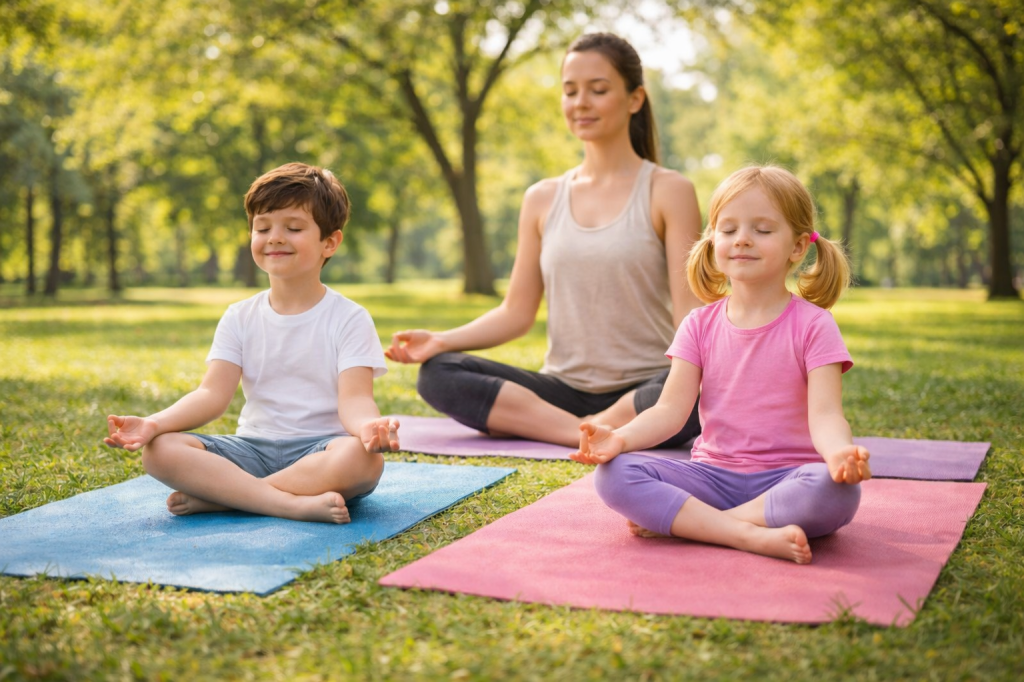
Modern childhood is often filled with activities, schedules, and digital stimulation. While structure has its place, children still need unstructured playtime to process experiences and integrate learning.
Balancing structured activities with free play allows children to:
- Recharge emotionally
- Follow their own interests
- Develop self-direction
Even short periods of daily free play can have a powerful impact.
What children really learn through play
Beyond academic skills, play teaches children something deeper:
- That learning can be joyful
- That effort matters more than perfection
- That curiosity is valuable
- That they are capable thinkers
These lessons form the foundation for lifelong learning.
Final thoughts
Children do not learn best by sitting still, memorizing facts, or completing endless tasks. They learn best when they are actively engaged, emotionally safe, and genuinely interested—and play provides exactly that.
By protecting time for play and trusting its value, we give children the opportunity to grow not only smarter, but more confident, creative, and resilient.
Play is not a break from learning.
It is where learning truly begins.

 Bright Minds Journey
Leave a comment