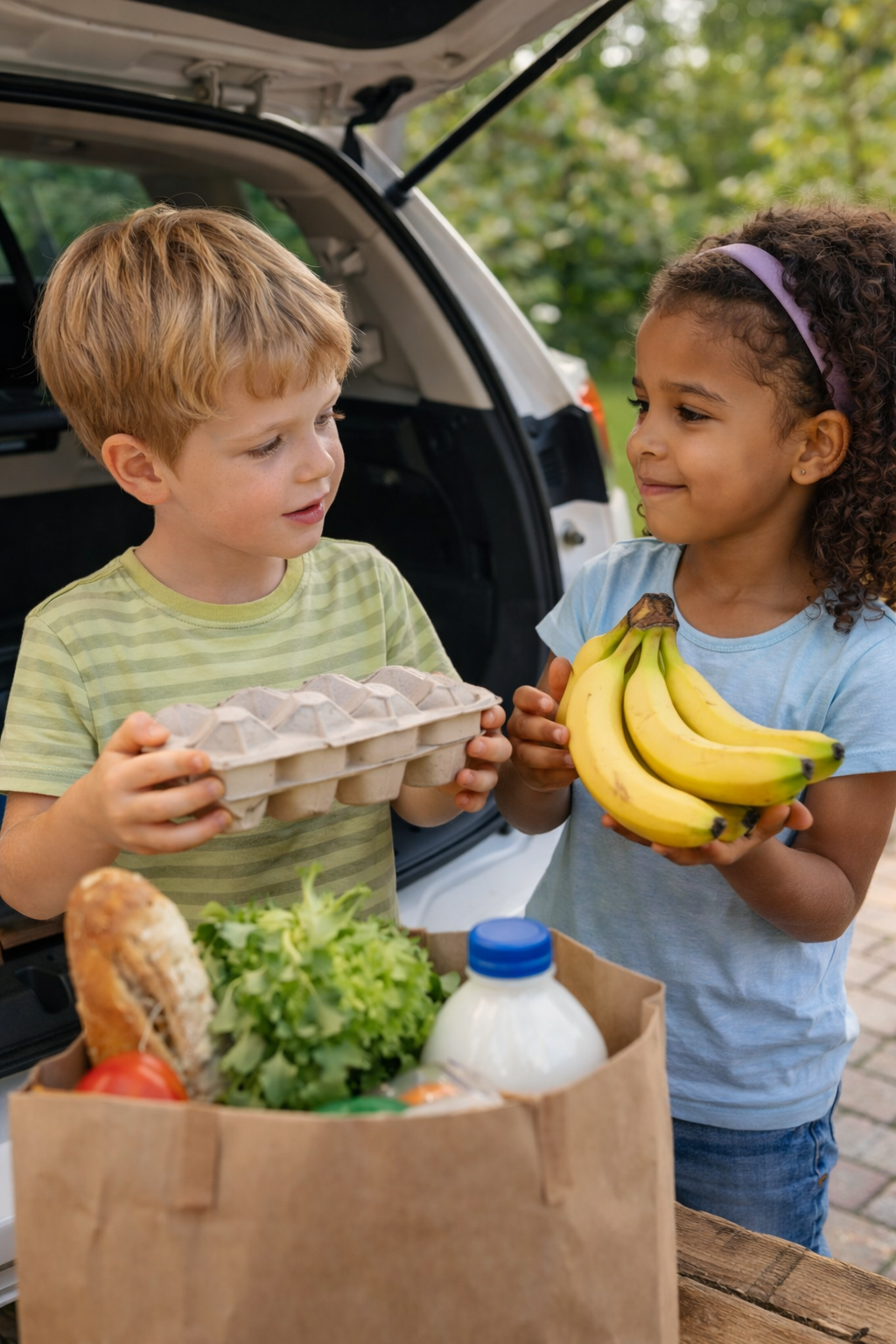
Responsibility is often thought of as something children must be taught through rules, chores, and expectations. While these can play a role, true responsibility does not develop overnight—and it is not created through pressure or punishment. Instead, responsibility grows gradually, through everyday experiences, trust, and age-appropriate opportunities.
Children learn responsibility not from lectures, but from living it. In this article, we explore how responsibility naturally develops, what helps or hinders this process, and how parents can support it in daily life without turning childhood into a list of obligations.
What responsibility really means for children
For adults, responsibility often means meeting deadlines, fulfilling duties, and being accountable for outcomes. For children, responsibility begins much more simply.
In childhood, responsibility means:
- Understanding that actions have consequences
- Caring for belongings, people, or tasks
- Following through on small commitments
- Recognizing one’s role within a family or community
It is not about perfection or control. It is about awareness, ownership, and growing independence.
Responsibility grows through trust, not control
One of the most important foundations of responsibility is trust. When children feel trusted, they are more likely to act responsibly. When they feel constantly controlled or corrected, they may either resist or give up trying.
Trust looks like:
- Believing that a child can handle small tasks
- Allowing room for mistakes
- Letting children experience natural consequences
- Offering guidance without taking over
Responsibility cannot develop if adults always step in to fix everything.
Small tasks build big skills
Responsibility starts with very small, manageable tasks. These tasks should feel meaningful, not overwhelming.
Examples include:
- Putting toys away after playing
- Carrying their own bag
- Helping set the table
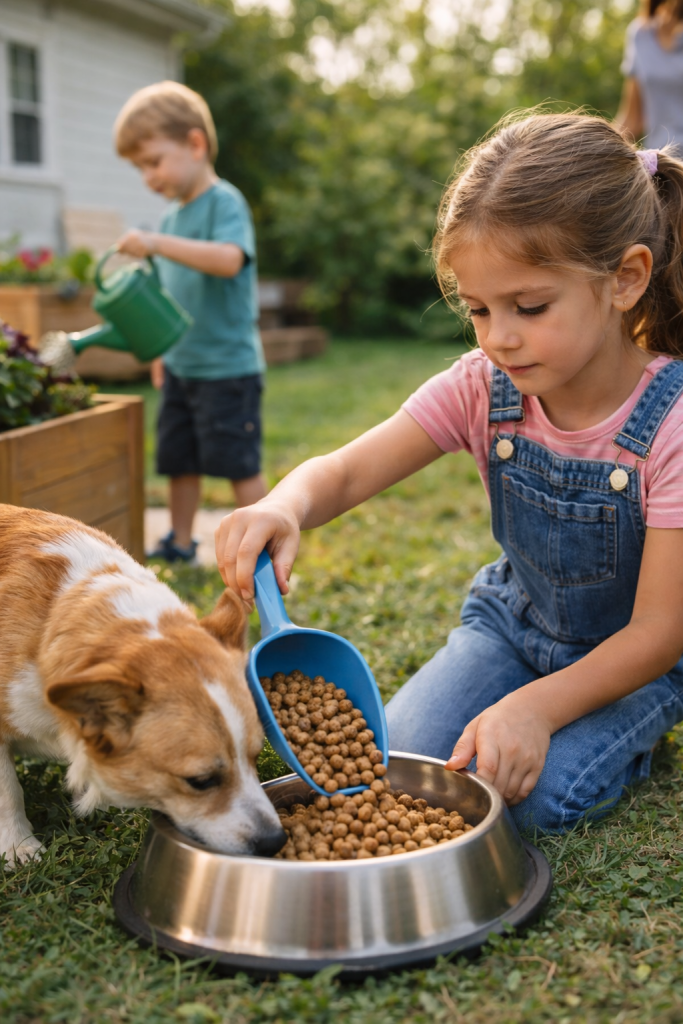
- Feeding a pet with supervision
- Remembering to bring an item to school
These actions may seem insignificant, but they teach children:
“I am capable. I matter. My actions have value.”
Why doing things for children can slow responsibility
Helping children is natural and loving—but doing too much for them can unintentionally send the message that they are not capable.
When adults constantly:
- Remind, rescue, or redo tasks
- Take over when something is difficult
- Prevent children from experiencing consequences
Children may struggle to develop ownership. Responsibility requires space—space to try, fail, and learn.
Learning through natural consequences
One of the most effective teachers of responsibility is natural consequence. These are outcomes that happen naturally as a result of choices, without punishment or shame.
For example:
- Forgetting homework leads to explaining it to the teacher
- Not packing a jacket means feeling cold
- Not charging a device means it can’t be used
When handled calmly, these experiences help children connect actions with outcomes in a meaningful way.
Emotional responsibility comes first
Before children can be responsible for tasks, they need support in becoming responsible for their emotions.
Emotional responsibility includes:
- Naming feelings
- Recognizing emotional reactions
- Understanding how emotions influence behavior
This does not mean children must control emotions perfectly. It means learning that emotions are real, manageable, and not something to fear or suppress.
When emotional awareness grows, behavioral responsibility often follows.
Responsibility and age-appropriate expectations
Children thrive when expectations match their developmental stage. Expecting too much can lead to frustration and avoidance; expecting too little can limit growth.
Helpful questions to ask:
- Is this task physically manageable for my child?
- Does my child understand what is expected?
- Have they had enough practice?
Responsibility is not about doing everything alone—it is about doing what is possible right now.
The role of routines in responsibility
Daily routines provide a natural structure for learning responsibility. When tasks happen in predictable patterns, children learn what is expected without constant reminders.
Examples of responsibility-supporting routines:
- Morning preparation routines
- Bedtime clean-up habits
- Weekly household contributions
- Regular care of personal items
Routines reduce conflict and build consistency, which makes responsibility feel safe rather than stressful.
How mistakes support learning
Mistakes are not failures; they are information. When children make mistakes while learning responsibility, they discover:
- What doesn’t work
- What needs adjusting
- How to problem-solve
Adults can support this by responding with curiosity instead of criticism:
- “What do you think happened?”
- “What could help next time?”
- “Do you want to try again together?”
This approach encourages growth rather than fear.
Responsibility is not obedience
It is important to distinguish responsibility from obedience. A responsible child is not simply one who follows instructions without question.
Responsibility includes:
- Thinking independently
- Making choices
- Understanding reasons behind actions
- Taking ownership—not just complying
Children who are allowed to question and discuss expectations often develop deeper responsibility than those who are expected to obey without explanation.
Teaching responsibility through daily choices
Giving children choices is a powerful way to build responsibility.
Simple choices might include:
- Choosing clothes appropriate for the weather
- Deciding when to do a task within a set time
- Selecting between two options
Choices help children understand that freedom and responsibility go hand in hand.
Encouragement over praise
While praise can feel motivating, constant evaluation may shift focus away from responsibility itself.
Encouragement supports responsibility more effectively:
- “You worked hard on that.”
- “You remembered on your own.”
- “You kept going even when it was tricky.”
Encouragement highlights effort and awareness rather than external approval.
The role of modeling responsibility
Children observe adults closely. They learn responsibility not only from what they are asked to do, but from what they see others do.
Modeling responsibility includes:
- Following through on promises
- Admitting mistakes
- Managing time realistically
- Taking responsibility for emotions and actions
When adults model accountability, children learn that responsibility is part of everyday life—not something imposed only on them.
Responsibility in relationships
Responsibility also applies to how children interact with others. This includes:
- Apologizing when appropriate
- Respecting others’ boundaries
- Understanding the impact of words and actions
These social responsibilities develop gradually through guided experiences and reflection.
When children resist responsibility
Resistance does not mean failure. It often signals:
- Overwhelm
- Lack of clarity
- Need for more support
- Desire for autonomy
Instead of increasing pressure, it helps to pause and reassess expectations. Responsibility grows best when children feel capable—not cornered.
Long-term benefits of everyday responsibility
Children who grow up with healthy responsibility often develop:
- Confidence in their abilities
- Strong problem-solving skills
- Emotional resilience
- Internal motivation
They are better prepared to handle challenges—not because they were forced to, but because they learned gradually and safely.
Final thoughts
Responsibility is not something children suddenly “have.” It is something they grow into, step by step, through everyday experiences.
When we trust children with small responsibilities, allow room for mistakes, and guide rather than control, we help them develop a strong sense of ownership—over their actions, choices, and lives.
Responsibility learned this way is not heavy.
It is empowering.


 Bright Minds Journey
Leave a comment