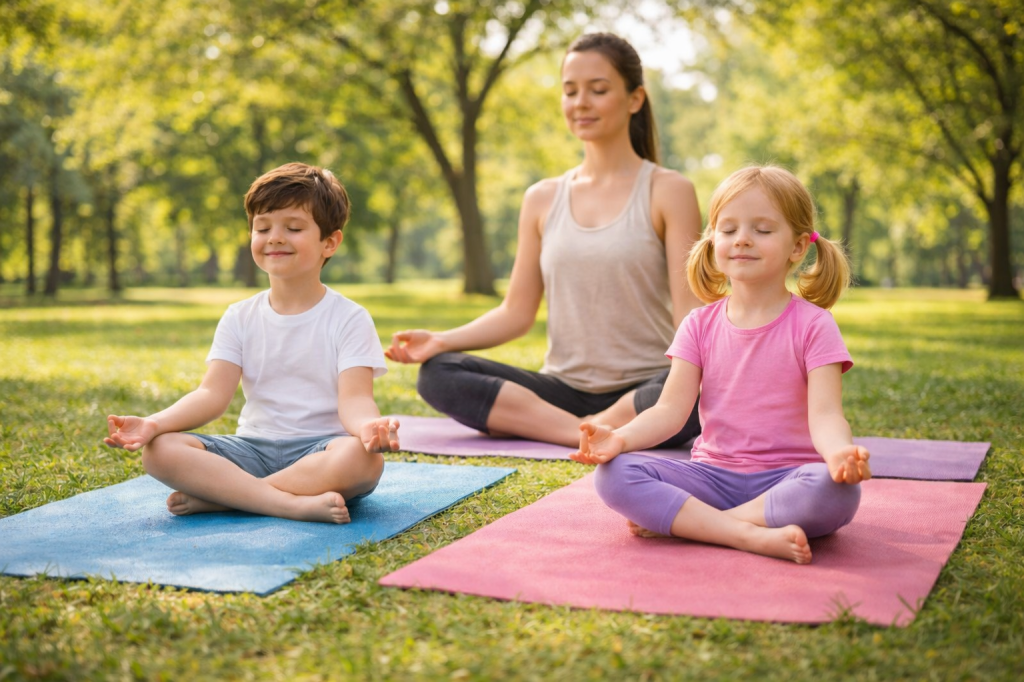
In today’s fast-moving and highly stimulating world, children experience more sensory input, expectations, and pressure than ever before. From school demands to digital devices and busy daily routines, many children feel overwhelmed, distracted, or emotionally overloaded. As a result, parents and educators are increasingly searching for simple, natural, and effective ways to support children’s emotional well-being, focus, and resilience. One of the most powerful tools that has gained attention in recent years is gentle movement, including yoga-inspired activities for children.
Unlike traditional exercise programs, yoga and mindful movement for children are not about perfection, competition, or physical performance. Instead, they focus on body awareness, breathing, emotional regulation, and playful exploration. These practices encourage children to slow down, notice their bodies, and reconnect with themselves. This is especially important in a world where many children rarely get the opportunity to pause and simply be present.
One of the greatest benefits of yoga and mindful movement is emotional regulation. Children are still learning how to understand and manage their feelings. Big emotions such as frustration, anxiety, excitement, or anger can feel overwhelming and confusing. Gentle movement provides a safe and structured way for children to release tension and calm their nervous system. Through simple stretches, breathing exercises, and playful poses, children learn that their bodies and emotions are connected. When their bodies relax, their minds also begin to feel calmer and more balanced.
Over time, these experiences help children develop self-control and resilience. They begin to recognize early signs of stress or frustration and learn strategies to manage them. For example, a child who feels overwhelmed may remember to take deep breaths, stretch, or move their body instead of reacting impulsively. These skills are not only helpful in childhood but become valuable lifelong tools for emotional well-being.
Another important advantage of gentle movement is its impact on focus and learning. Research shows that physical activity improves attention, memory, and cognitive flexibility. Short movement breaks during the day can help children reset their brains and return to tasks with renewed concentration. This is especially beneficial for young children, who naturally need movement to learn and process information. It is also highly supportive for children with attention challenges or sensory processing differences.
Movement stimulates brain development by increasing blood flow and activating different areas of the brain. When children move their bodies in coordinated and mindful ways, they strengthen neural connections that support problem-solving, creativity, and executive functioning. This is why many teachers now include movement and mindfulness in classroom routines. These short, simple activities can significantly improve classroom atmosphere, reduce restlessness, and support positive learning behaviors.
Gentle movement also supports physical development. Stretching, balancing, and body awareness activities help improve coordination, posture, flexibility, and strength. Many children today spend long hours sitting, whether in school or at home. This sedentary lifestyle can affect both physical and mental health. Regular movement encourages healthy habits and promotes a positive relationship with the body.
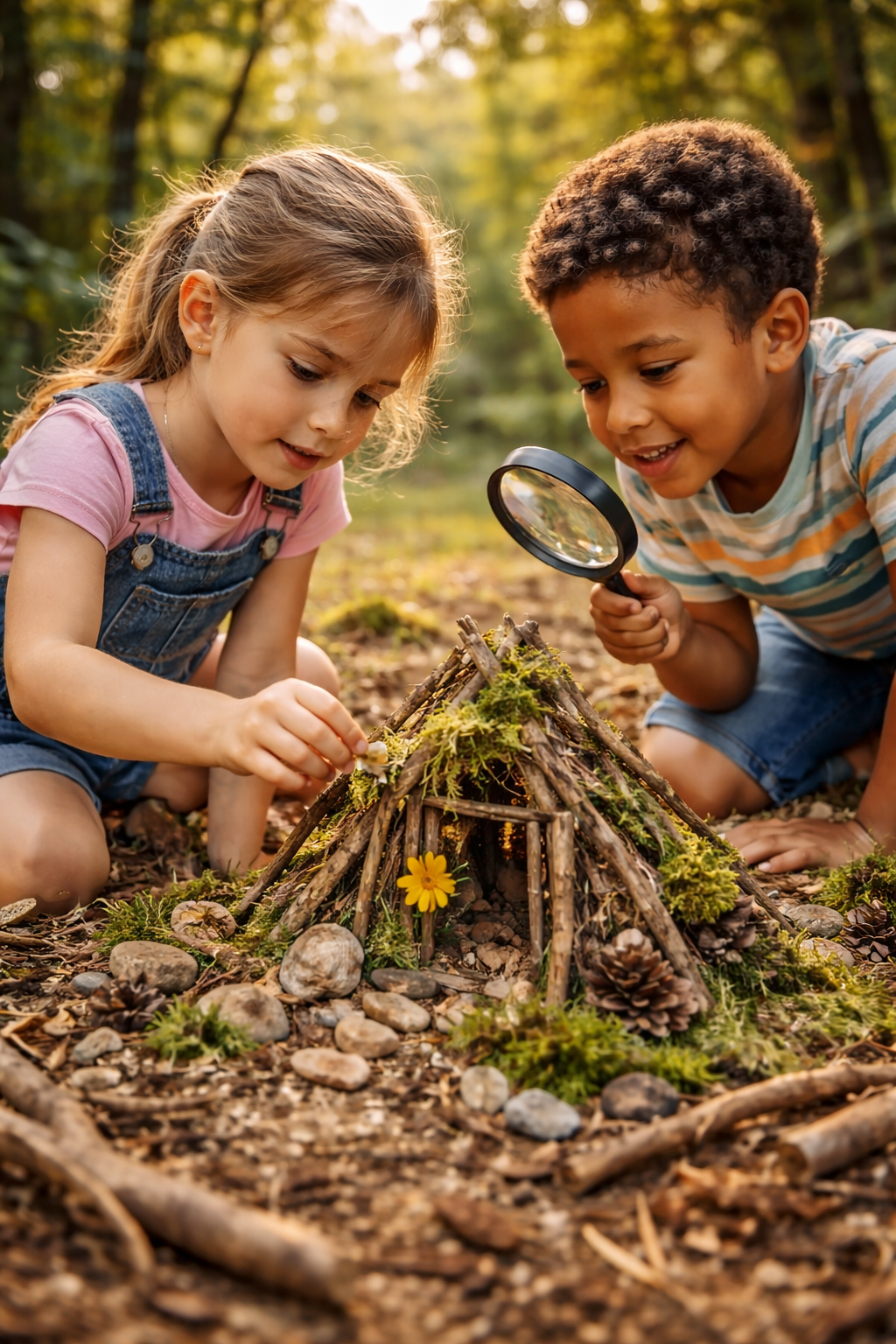
Equally important is the role of imagination and play. Yoga and mindful movement for children often include storytelling, animal poses, and creative games. This makes the experience enjoyable and engaging rather than structured or demanding. Children are more likely to participate when movement feels fun and meaningful. Playful activities also support creativity, social skills, and emotional expression.
For younger children, movement is a natural language. They express themselves through their bodies before they can fully express their thoughts and feelings with words. Gentle movement gives children an additional way to communicate, release tension, and explore their emotions. This is especially helpful for children who are shy, sensitive, or still developing verbal skills.
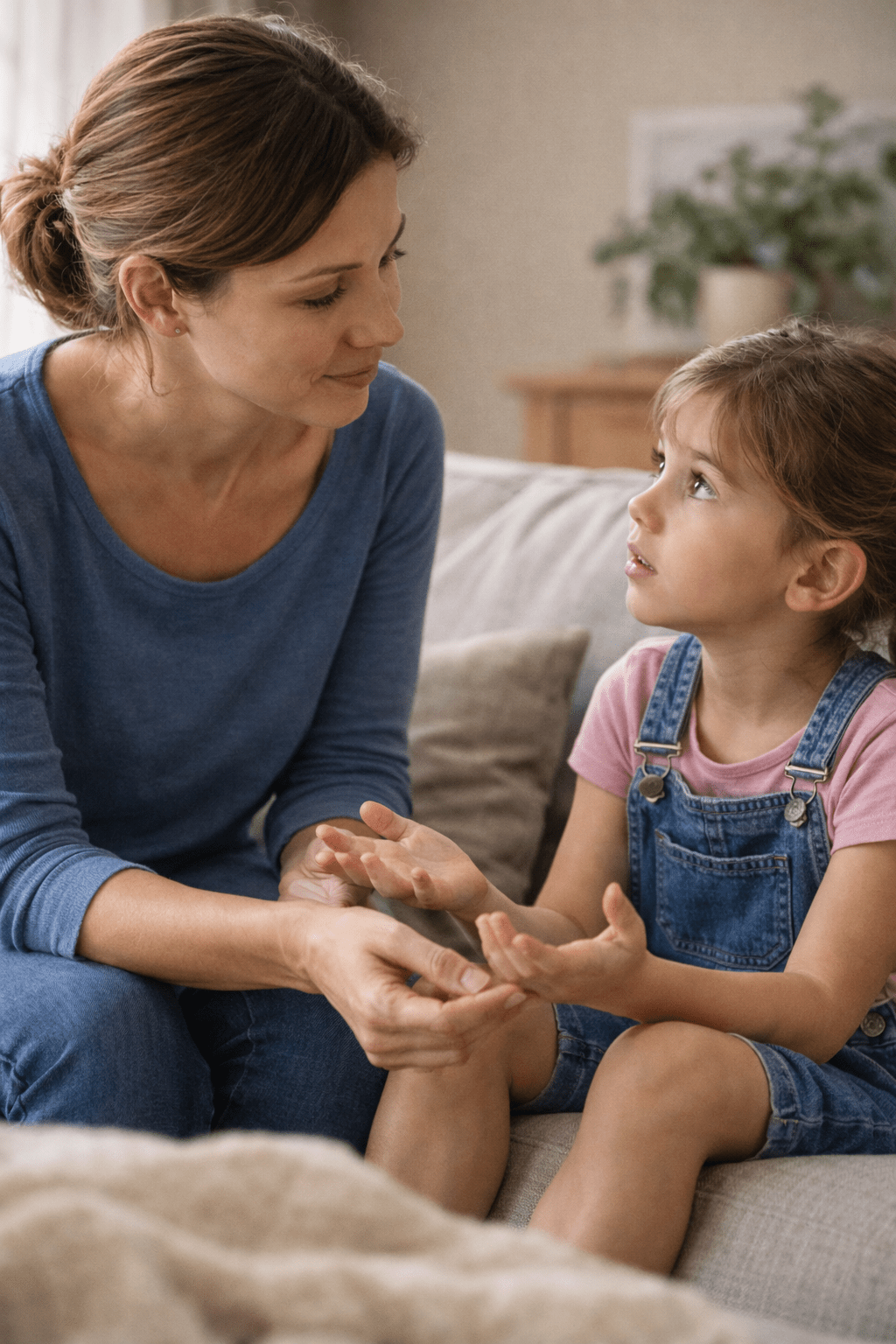
Another powerful aspect of yoga and mindful movement is its ability to create moments of connection. When parents, teachers, or caregivers practice with children, they build trust and strengthen relationships. Shared movement experiences create a sense of safety, belonging, and emotional support. These moments do not need to be long or complicated. Even a few minutes of calm and focused movement can have a meaningful impact.
In family life, gentle movement can become part of daily routines. For example, short stretching or breathing exercises in the morning can help children start the day feeling calm and confident. Movement breaks in the afternoon can reduce stress and prevent emotional overload. Evening relaxation activities can support better sleep and smoother bedtime routines. These small rituals create structure and predictability, which many children find comforting.
Yoga and mindful movement are also highly inclusive. They can be adapted to different ages, abilities, and needs. Children with sensory sensitivities, anxiety, ADHD, or developmental differences often benefit greatly from these practices. The focus is not on achieving a perfect pose but on how the movement feels. This reduces pressure and allows each child to participate at their own pace.
In therapeutic and special education settings, movement and body awareness are widely used to support regulation and emotional stability. Occupational therapists, psychologists, and educators recognize the importance of physical activity in supporting mental health. Gentle movement can help children transition between activities, manage overstimulation, and develop coping strategies.
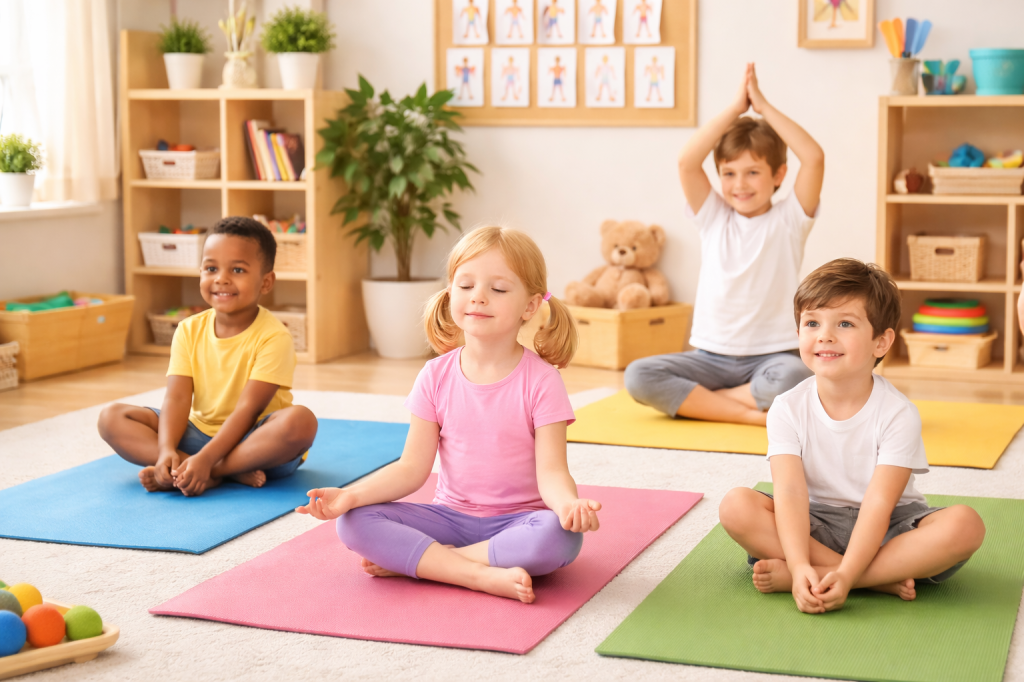
Another growing area of interest is the connection between movement and mindfulness. Mindfulness teaches children to pay attention to the present moment without judgment. When combined with movement, it becomes more accessible and concrete for young learners. Instead of sitting still and trying to focus, children can move, stretch, and breathe while developing awareness. This approach is often more effective and engaging.
As children practice these skills regularly, they build confidence and self-trust. They begin to understand that they have the ability to calm themselves, release stress, and find balance. This sense of control is empowering and supports emotional independence.
In the long term, these experiences contribute to overall well-being. Children who learn to regulate their emotions and manage stress are more likely to develop healthy relationships, positive coping strategies, and strong mental health. They are also better prepared to handle challenges and adapt to change.
It is important to remember that gentle movement does not need to be complicated, time-consuming, or perfect. Simple and consistent practices are often the most effective. Short daily moments of stretching, breathing, and playful movement can make a big difference. The goal is not to create a strict routine but to offer children supportive tools that they can use throughout their lives.
In a world that often feels overwhelming, providing children with opportunities to slow down, move mindfully, and connect with their bodies is one of the greatest gifts we can give. By encouraging gentle movement, we support not only physical health but also emotional balance, resilience, and happiness.



 Bright Minds Journey
Leave a comment