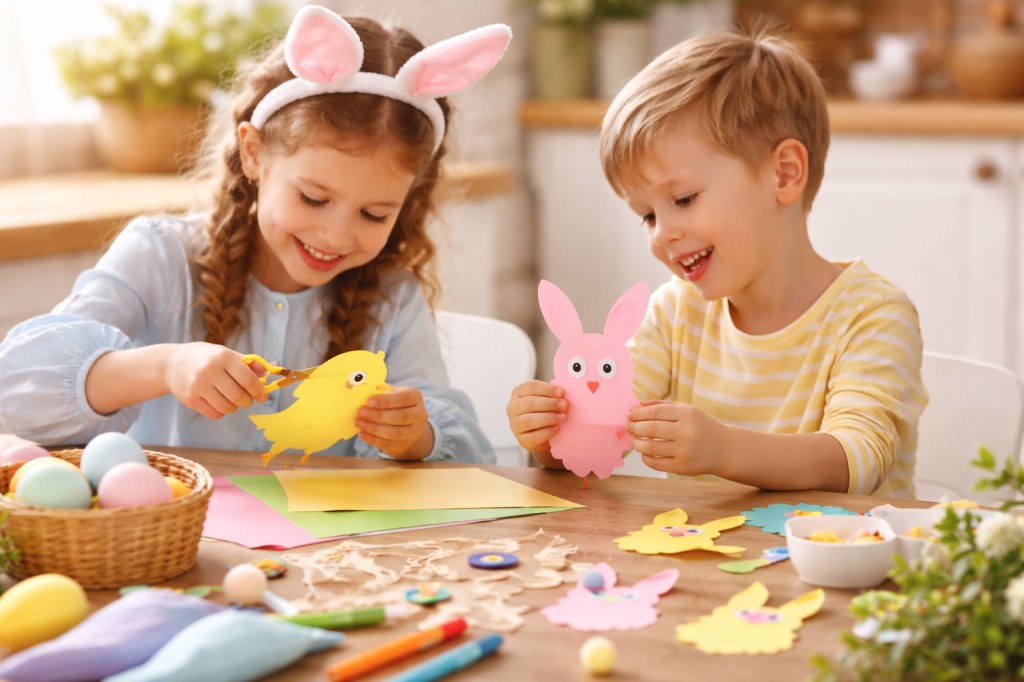
Easter is often associated with excitement, chocolate eggs, colorful decorations, and busy family gatherings. While these traditions can be wonderful, they can also become overwhelming for many children — especially younger kids, sensitive children, or those who simply need calmer ways to experience the holiday.
Not every Easter activity needs to involve elaborate crafts, complicated preparations, or expensive supplies. In fact, some of the most meaningful Easter memories come from simple, quiet moments spent together.
If you are a busy parent, a tired parent, or simply someone who prefers calm and meaningful activities over chaos, this list is for you.
These Easter activities require little to no preparation, no printable materials, and no special tools. Most of them can be done with things you already have at home. More importantly, they help children develop creativity, emotional security, communication skills, and confidence.
Here are some simple and calm Easter activities you can try this year.
1. Easter Story Time Together
One of the simplest and most powerful activities you can do is reading together.
Choose a gentle Easter story, a spring-themed book, or even a favorite bedtime story and create a quiet reading moment. You can dim the lights slightly, bring a blanket, or sit close together to make the moment feel special.
Reading together helps children:
- Feel safe and connected
- Improve vocabulary
- Develop listening skills
- Strengthen imagination
- Build emotional security
After reading, you can ask simple questions like:
- Which character did you like most?
- What was your favorite part?
- What would you do if you were in the story?
This turns a simple reading moment into a meaningful learning experience.
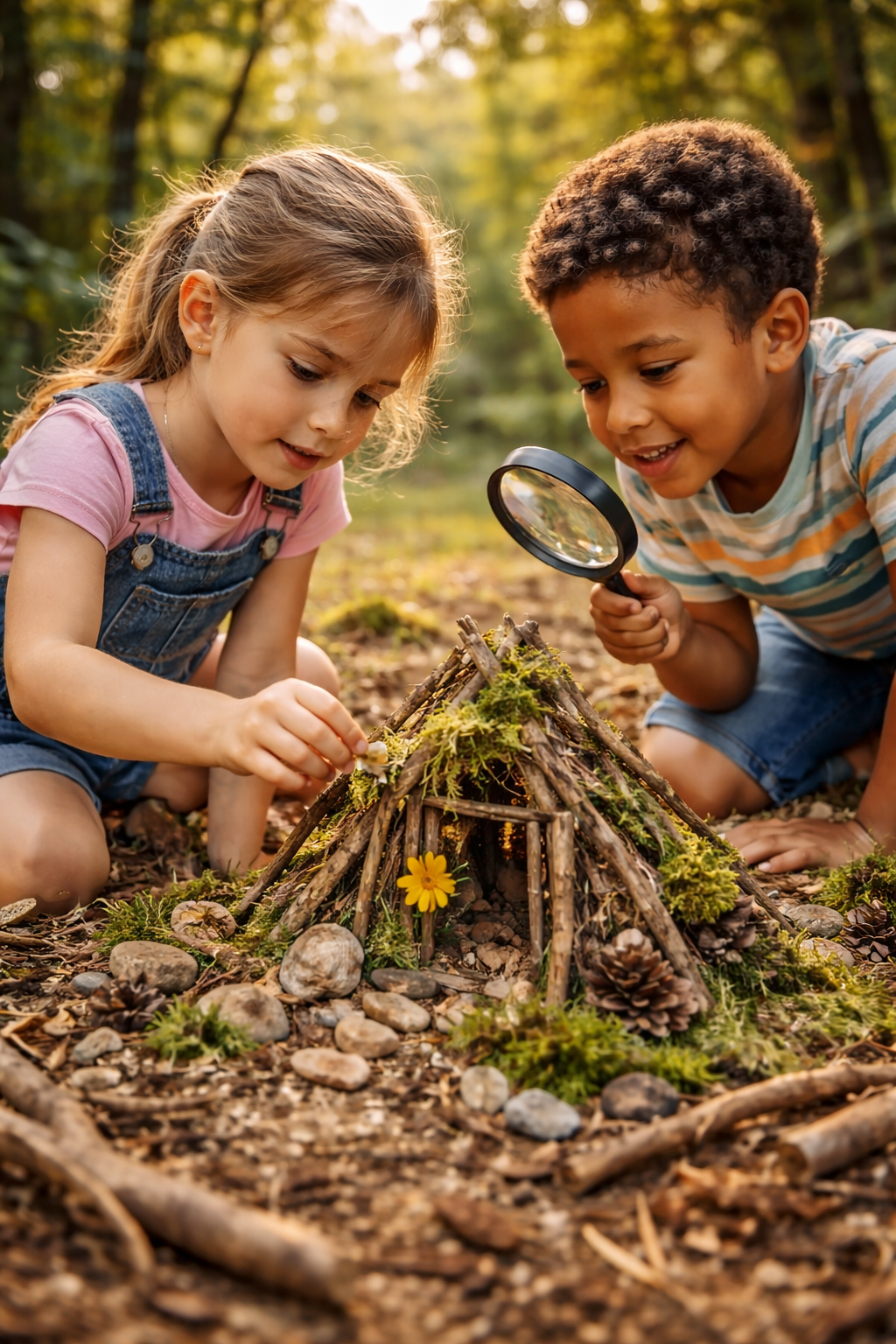
2. Easter Nature Walk
Spring is the perfect time to go outside and notice small changes in nature. You don’t need to organize anything complicated. Just go for a short walk and encourage your child to observe.
You can turn it into a simple observation game:
Can you find:
- A flower?
- Something green?
- A bird?
- A small bug?
- A tree with new leaves?
This activity helps children:
- Slow down
- Practice observation skills
- Connect with nature
- Reduce stress
- Improve attention
If your child enjoys talking, you can ask:
“What do you think animals do in spring?”
If your child prefers quiet, you can simply walk and observe together.
Both are valuable.
3. Easter Drawing Time
Children naturally express themselves through drawing. Instead of structured crafts, just offer paper and pencils and invite them to draw anything related to Easter or spring.
Ideas you can suggest:
- A bunny
- A spring garden
- An Easter egg
- Their dream Easter day
- A happy family moment
There is no right or wrong result. The goal is expression, not perfection.
Drawing supports:
- Creativity
- Emotional expression
- Fine motor skills
- Confidence
- Focus
You can also ask your child to explain their drawing. This builds communication skills and helps them organize their thoughts.
4. The Kindness Egg Game
This is a very simple but meaningful activity.
Tell your child that Easter is also about kindness and caring for others. Then take turns naming kind things people can do.
Examples:
- Helping clean up toys
- Saying thank you
- Giving a hug
- Helping a sibling
- Sharing a toy
- Saying something nice
You can pretend each idea is a “kindness egg.”
You might say:
“Let’s see how many kindness eggs we can collect today.”
This helps children:
- Understand empathy
- Practice social skills
- Develop emotional intelligence
- Learn positive behavior naturally
No materials needed — just conversation.
5. Easter Gratitude Moment
Gratitude activities help children feel more secure and positive.
You can do this during dinner, bedtime, or a quiet moment.
Take turns saying:
“One thing I am happy about today is…”
For younger children you can help:
“I am happy we played together.”
“I am happy we had a nice breakfast.”
“I am happy we spent time together.”
This teaches children to notice positive moments.
Benefits include:
- Emotional stability
- Positive thinking
- Stronger family connection
- Better emotional regulation
Even two or three sentences are enough.
6. Bunny Movement Game
Children often need movement, but it doesn’t need to be loud or chaotic.
You can play a simple movement game:
Move like different animals.
Examples:
Hop like a bunny.
Stretch like a cat.
Walk slowly like a turtle.
Flap arms like a bird.
You can make it calm by keeping movements slow and controlled.
This activity supports:
- Body awareness
- Coordination
- Balance
- Self-regulation
It is especially helpful for children who need gentle physical activity instead of overstimulating games.
7. Easter Imagination Game
Imagination games are powerful because they require nothing except thinking.
You can ask questions like:
“If you found a magic Easter egg, what would be inside?”
“If a bunny could talk, what would it say?”
“If you could design your own Easter egg, what would it look like?”
There are no wrong answers.
This builds:
- Creativity
- Language skills
- Problem solving
- Confidence in self-expression
For quieter children, you can let them think and answer later.
For talkative children, this can turn into a long conversation.
Both are beneficial.
8. Memory Sharing Activity
Children love hearing stories about their own lives.
You can ask:
“Do you remember last Easter?”
“What did you enjoy?”
“What was funny?”
“What did we eat?”
If your child is very young, you can help by telling the story yourself.
This helps children:
- Build memory skills
- Develop identity
- Strengthen family bonds
- Practice storytelling
You can also share your own childhood Easter memories. Children love hearing about their parents when they were young.
9. Calm Music Listening
Music can strongly influence mood.
Play soft instrumental music, calm children’s songs, or nature sounds and simply listen together.
You can:
- Lie down
- Close eyes
- Breathe slowly
- Sit quietly
This teaches children something very important:
It is okay to slow down.
This supports:
- Emotional regulation
- Relaxation skills
- Sensory balance
- Stress reduction
Even five minutes can help reset a busy day.
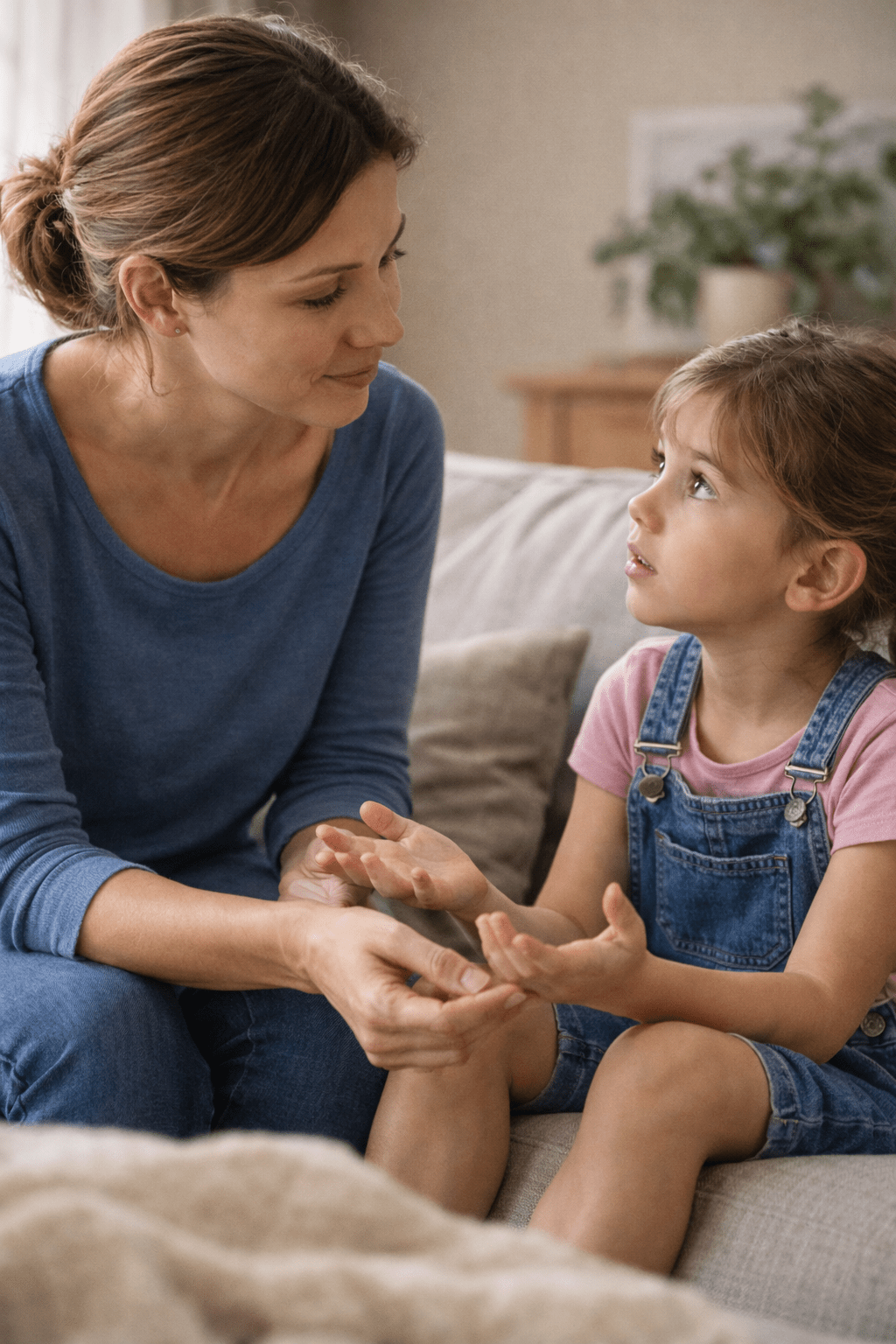
10. Simple Family Conversation Time
Sometimes the most meaningful activity is simply talking.
You can ask gentle questions like:
“What made you smile today?”
“What was the best part of your day?”
“What would you like to do tomorrow?”
This builds:
- Communication skills
- Trust
- Emotional safety
- Confidence
Children who feel heard often become more cooperative and emotionally secure.
Why Calm Activities Matter During Holidays
Holidays can be exciting, but excitement can also become overstimulation. Many children struggle with too much noise, too many sweets, disrupted routines, or too many social expectations.
Calm activities help balance this.
They allow children to:
- Process experiences
- Stay emotionally regulated
- Feel safe
- Avoid overload
- Enjoy the holiday at their own pace
This is especially important for:
- Preschool children
- Sensitive children
- Introverted children
- Children with special needs
- Children who become overwhelmed easily
But honestly, calm activities benefit every child.
You Don’t Need to Do Everything
One important reminder: you do not need to do all ten activities.
Even one meaningful moment is enough.
Children do not remember perfectly planned days. They remember how they felt.
They remember:
Feeling safe.
Feeling loved.
Feeling calm.
Feeling seen.
Simple presence often matters more than perfect activities.
Creating a Calm Easter Atmosphere
If you want to make Easter feel calmer overall, small changes can help:
- Keep routines similar to normal days
- Avoid too much sugar at once
- Allow quiet breaks
- Don’t overschedule
- Focus on connection instead of perfection
You don’t need a perfect holiday.
You only need a meaningful one.
A Gentle Reminder for Parents
If you feel tired, overwhelmed, or feel like you didn’t prepare enough — you are not alone.
Social media often shows perfect Easter tables, perfect crafts, and perfect decorations. But real childhood memories are not built from perfection.
They are built from:
Small conversations.
Shared laughter.
Quiet reading.
Simple walks.
Gentle moments.
Your presence matters more than any activity.
Final Thoughts
Easter does not need to be busy to be meaningful.
Sometimes the calmest moments become the most valuable ones. A quiet story, a short walk, a simple conversation — these are the experiences that build trust, confidence, and emotional security.
If you want to create a beautiful Easter for your child, remember this:
You do not need more activities.
You do not need more preparation.
You do not need more pressure.
You only need time, attention, and care.
Even one calm moment together can become a lasting memory.
And sometimes, the simplest Easter is the one children remember most.




 Bright Minds Journey
Leave a comment