-
 Continue reading →: How to Support Children’s Cognitive Development
Cognitive development is one of the most crucial aspects of a child’s overall growth, influencing their ability to think, reason, remember, and solve problems. From birth, children’s brains are constantly developing, shaped by their experiences, interactions, and environment. Parents, caregivers, and educators play a significant role in fostering cognitive growth…
-
 Continue reading →: How to Help Children Develop a Love for Learning?
Learning is a lifelong journey, and developing a love for learning from an early age can significantly impact a child’s academic success, confidence, and personal growth. Children who enjoy learning are more likely to be curious, self-motivated, and resilient when facing challenges. However, fostering this love requires patience, creativity, and…
-
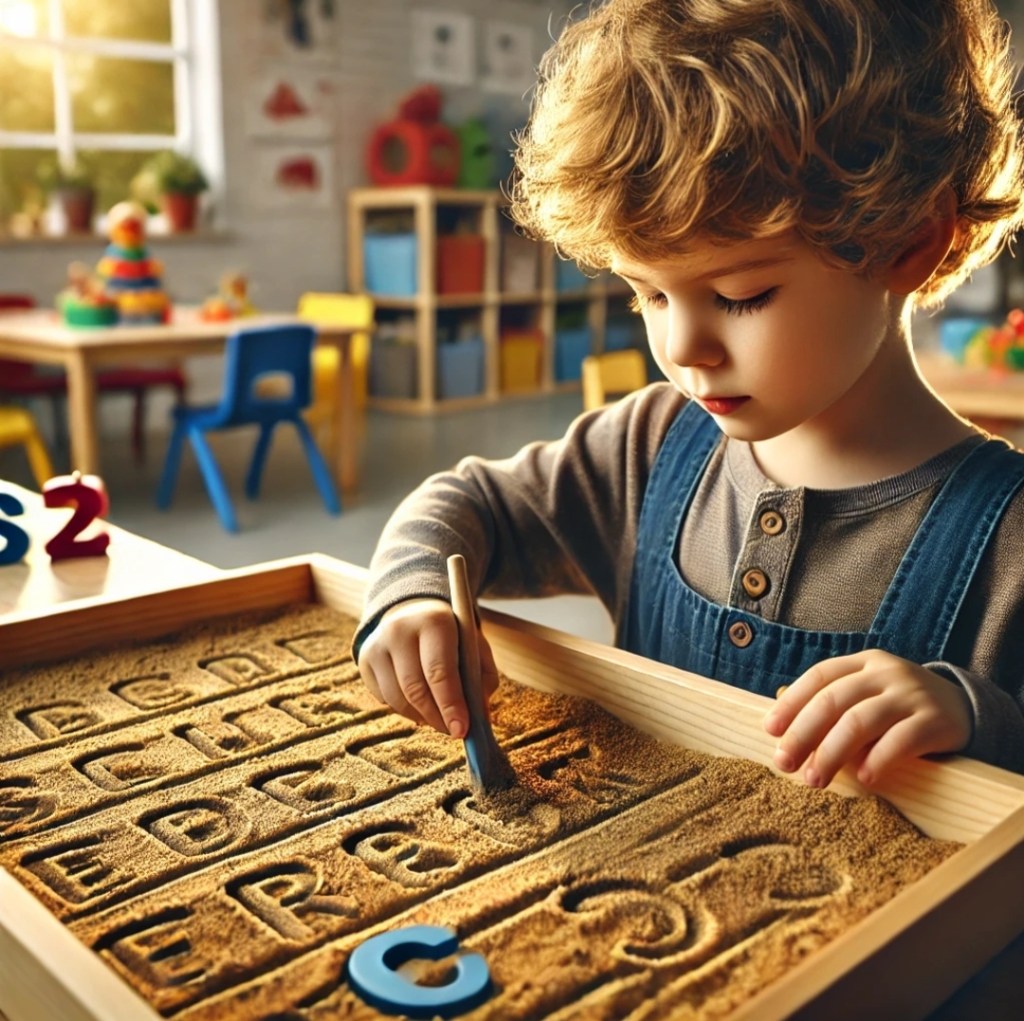 Continue reading →: How to Recognize the Signs of Dyslexia in Early Childhood?
Dyslexia is one of the most common learning disabilities, affecting the way children process language, particularly in reading, writing, and spelling. Early identification is crucial, as it allows for timely interventions that can significantly improve a child’s learning experience and self-confidence. Many children with dyslexia are bright and creative, but…
-
 Continue reading →: Why Is Active Play Important for Developing Attention?
In today’s fast-paced digital world, children are often surrounded by screens, structured schedules, and passive activities. However, one of the most powerful tools for enhancing a child’s cognitive abilities, including attention and focus, is active play. Active play is any form of movement-based, unstructured, or structured activity that engages a…
-
 Continue reading →: Sibling Jealousy: How to Handle It?
Sibling relationships can be a source of love, support, and companionship, but they can also be fraught with rivalry and jealousy. Many parents struggle with managing sibling jealousy, which can manifest in fights, competition for attention, and feelings of resentment. While sibling rivalry is normal, prolonged jealousy can create a…
-
 Continue reading →: How Can Mindfulness Support Children’s Emotional Development?
Introduction In today’s fast-paced world, children are often exposed to various stressors, from academic pressures to social challenges. Helping them develop strong emotional resilience is crucial for their overall well-being. One effective way to foster emotional development in children is through mindfulness. Mindfulness practices encourage self-awareness, emotional regulation, and empathy,…
-
 Continue reading →: How Play Helps Children Recognize and Manage Emotions
Children experience a wide range of emotions from an early age, but understanding and managing them is a skill that develops over time. Play is one of the most effective ways to help children recognize, express, and regulate their emotions. Through different types of play, children can explore feelings in…
-
 Continue reading →: How to Boost Children’s Confidence
Confidence is a crucial trait that influences children’s ability to face challenges, build relationships, and develop resilience. It allows them to believe in their abilities, take initiative, and persist even when faced with difficulties. A confident child is more likely to try new things, recover from failures, and approach life…
-
 Continue reading →: How to Make Valentine’s Day Special for Kids
A Valentin-napot gyakran a romantikus szerelemhez kötik, de nagyszerű lehetőség arra is, hogy megtanítsuk a gyerekeket a kedvességre, a barátságra és a mások iránti megbecsülés fontosságára. Egy kis kreativitással a szülők és a gondozók szórakoztató és tartalmas ünneppé varázsolhatják ezt a napot a gyerekek számára. Az alábbiakban olyan lebilincselő ötleteket…
-
 Continue reading →: Signs of Anxiety in Children: How Parents Can Help
A gyermekkori szorongás egyre gyakoribb, és kihat a gyermekek érzelmi jólétére, tanulmányi teljesítményére és társas kapcsolataira. Míg bizonyos szintű szorongás a felnőtté válás természetes velejárója, a túlzott vagy tartós szorongás megzavarhatja a gyermek mindennapi életét. Mivel a gyerekeknek nem mindig vannak szavaik érzelmeik kifejezésére, a szorongás néha észrevétlen marad, vagy…
Hello,
Welcome to the world of Bright Minds Journey!

Our goal is to provide parents and children with inspiring, educational, and entertaining content. Join us in exploring the wonders of creativity, learning, and shared experiences that enrich children’s development and create lasting memories!
Let’s connect
Join the fun!
Join our journey and stay inspired with our latest updates, tips, and fun activities!
- Child Development
- Emotional & Mental Growth
- Healthy Habits & Movement
- Holidays & Celebrations
- Kids & Social Life
- Learning Challenges & Support
- Parenting Tips & Family Life
- Reading & Literacy Fun
- School & Study Habits
- Uncategorized