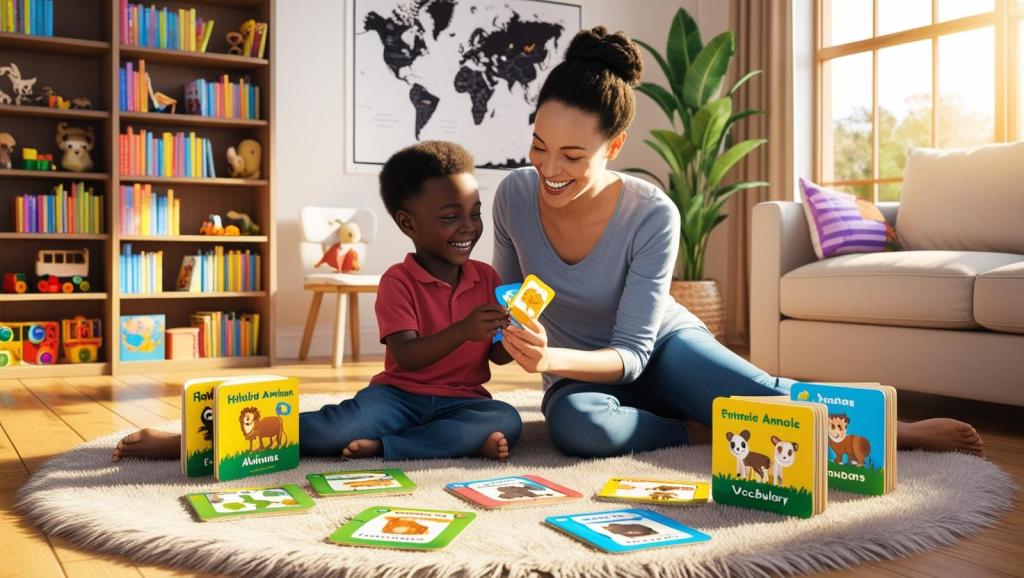
In today’s globalized world, language learning is more important than ever. For children, acquiring a second (or even third) language opens up a world of possibilities—culturally, academically, and socially. But how do we spark and sustain their interest in learning a new language, especially when they’re still developing their first one? Whether you’re a parent, caregiver, or educator, your encouragement and strategies can make a lasting impact.
This article explores practical, age-appropriate ways to nurture children’s enthusiasm for language learning, from playful activities to meaningful exposure. Let’s dive into how we can make language learning a joyful and natural part of their everyday lives.
—
1. Start with Curiosity, Not Pressure
One of the most powerful tools in learning is intrinsic motivation. Children are naturally curious—especially when learning feels like a game or an adventure. Instead of focusing on performance or achievements, focus on sparking interest.
Let them know why learning a new language is fun or important. For example:
“Did you know that in Spain, kids say ‘¡Hola!’ instead of ‘Hello’?”
“What if we could watch cartoons in French and understand them without subtitles?”
By framing language as a doorway to something exciting, you’ll plant a seed of curiosity that can grow with them.
—
2. Use Their Interests as a Gateway
Every child has unique interests—animals, space, cooking, dinosaurs, or fairytales. Use these passions to create a natural connection with the target language.
Here are some ideas:
Find books, cartoons, or YouTube videos in the language they’re learning that match their favorite topics.
Look for bilingual storybooks or songs related to what they already love.
Download apps or games that combine their hobbies with language content.
If your child loves space, imagine reading about planets in Spanish. Or if they’re into art, try a coloring book with simple French vocabulary. When the topic is fun, the language feels secondary—and that’s the sweet spot.
—
3. Make It Visual and Playful
Children are visual learners. Flashcards, posters, and colorful illustrations can work wonders, especially when combined with games and movement.
Try these simple, playful methods:
Label objects around the house with sticky notes in the target language (e.g., “la puerta” for the door).
Create a language scavenger hunt: find items that match a list of foreign words.
Use hand gestures or props when introducing new vocabulary—this supports memory through physical association.
You can also draw together, acting out stories or scenes while naming objects or actions in the new language. The sillier, the better—it helps the words stick.
—
4. Incorporate Songs and Music
Music is one of the easiest and most enjoyable ways for kids to absorb a new language. Rhythms and melodies help encode vocabulary and grammar patterns in a natural, memorable way.
Look for:
Children’s songs in the target language on Spotify or YouTube.
Lullabies, nursery rhymes, or educational tunes (like counting or alphabet songs).
Dance-along songs that get them moving while singing.
Even if they don’t understand every word right away, they’ll start to recognize sounds, patterns, and meaning through repetition.
—
5. Create a Consistent Routine
Exposure matters. The more frequently children hear and use a new language, the more it becomes part of their mental “world.” But this doesn’t mean you need hours of daily lessons—just regular, small doses.
Consider:
A “Language Time” for 10–15 minutes every day.
A bedtime story in the new language once or twice a week.
A special weekend breakfast where you learn new food words together.
Consistency beats intensity when it comes to young learners. Make language learning a cozy, predictable part of their week.
—
6. Lead by Example
Children imitate what they see. If they see you showing interest in the language—whether you’re learning it with them or just showing enthusiasm—they’ll be more likely to stay engaged.
You don’t have to be fluent. In fact, learning together can be a bonding experience:
Say simple greetings or phrases to each other.
Learn a song together and perform it as a “family concert.”
Celebrate small milestones like learning 10 new words.
This shared journey teaches kids that learning is a lifelong process and that mistakes are part of the adventure.
—
7. Celebrate Cultural Connections
Language is more than vocabulary—it’s also culture. Introducing children to the customs, foods, and celebrations of people who speak the language helps them connect emotionally and socially.
Some fun ideas:
Cook a simple recipe from that culture together.
Celebrate a traditional holiday with crafts or decorations.
Watch children’s films or cartoons originally made in the language.
These cultural experiences help language feel alive and relevant, not just something “to study.”
—
8. Encourage Interaction with Native Speakers (if possible)
Social interaction gives language learning real purpose. If your child has the opportunity to meet or talk with native speakers, they’ll get motivated to use what they’ve learned.
Ways to connect:
Playdates or pen-pal exchanges with bilingual children.
Local language clubs or storytimes at libraries.
Online language tutors or conversation partners for kids.
Even short interactions can make a lasting impression—and give kids a chance to see their skills in action.
—
9. Adapt to Their Learning Style
Every child learns differently. Some enjoy worksheets and structure, while others prefer movement, music, or stories. Watch how your child responds and adapt your approach accordingly.
For example:
Visual learners may enjoy vocabulary charts and illustrated books.
Auditory learners may benefit from songs, podcasts, or storytelling.
Kinesthetic learners might love role-playing or movement games.
You don’t need to force a single method—mix and match, and be flexible!
—
10. Keep the Environment Positive and Supportive
Finally, remember that your attitude shapes their experience. Celebrate effort over perfection. When a child feels safe to experiment, make mistakes, and try again, they’ll stay engaged longer.
Say things like:
“I love how you tried to say that word!”
“Wow, you remembered that from yesterday!”
“Let’s figure it out together.”
Language learning should feel empowering. With your encouragement, kids will see it not as a task, but as a superpower they can grow into.
—
11. Make Use of Technology—Wisely
In today’s digital age, countless tools and platforms make language learning accessible and engaging for children. But it’s important to choose wisely and in moderation.
Recommended apps for kids:
Duolingo Kids – playful, bite-sized lessons designed for younger learners.
Lingokids – offers vocabulary games, songs, and videos in English and other languages.
Gus on the Go – introduces vocabulary through interactive stories and games.
You can also explore:
Audiobooks in the target language.
Kid-friendly podcasts, such as “Stories for Kids in Spanish.”
Interactive e-books that read aloud and highlight text.
Make screen time meaningful by turning it into learning time—but balance it with off-screen, real-life interaction and play.
—
12. Encourage Storytelling and Roleplay
Storytelling is one of the most powerful tools in early childhood education. It enhances vocabulary, sentence structure, and comprehension—especially when done in a second language.
Try:
Acting out fairy tales or inventing your own stories using the new language.
Creating a puppet show with basic dialogue.
Using toys or stuffed animals to “talk” to each other in simple phrases.
Even a few key words like “hello,” “thank you,” or “let’s play” make a big difference. Kids love pretending—they won’t even notice they’re practicing language skills.
—
13. Keep Track of Progress in a Fun Way
Children love to see their progress—especially when it’s visual or interactive. Consider creating a language learning journal together where they:
Draw new words they’ve learned
Add stickers for each topic completed
Write short, simple sentences
Paste photos or illustrations connected to the words
You could also hang a progress poster on the wall, and add stars or badges for each milestone. Gamifying the journey makes it more rewarding and motivating for young learners.
—
14. Use Repetition and Reinforcement Naturally
Children need to hear and use words multiple times before they become part of their vocabulary. But repetition doesn’t have to be boring—it can be playful and spontaneous.
Ideas for natural repetition:
Use daily routines to repeat words (e.g., “Brush your teeth – cepilla los dientes!”)
Ask “What’s this in French?” while getting dressed or cooking
Revisit songs and games frequently—they love familiarity
The goal is to reinforce without pressure. When repetition happens in a warm, everyday context, kids retain more and feel more confident using the language themselves.
—
15. Don’t Worry About Mistakes or Perfect Grammar
It’s normal for kids (and adults!) to make lots of mistakes when learning a new language. In fact, mistakes are part of the process—and a sign of progress.
Correct gently, without interrupting the flow of conversation. For example:
If your child says, “I goed to the park,” you can reply: “Oh, you went to the park? That sounds fun!”
Avoid over-correcting. Instead, focus on modeling correct language and praising their efforts. With time and practice, fluency will grow organically.
—
16. Stay Patient—Language Takes Time
Every child develops language skills at their own pace. Some may jump into speaking early, while others quietly absorb vocabulary before they feel ready to use it.
Be patient, and keep offering gentle encouragement. Celebrate small wins—like remembering a color, counting to ten, or asking a simple question.
If you feel progress is slow, don’t panic. The key is consistency and exposure. Even five minutes a day adds up over time and builds a strong foundation.




 Bright Minds Journey
Leave a comment