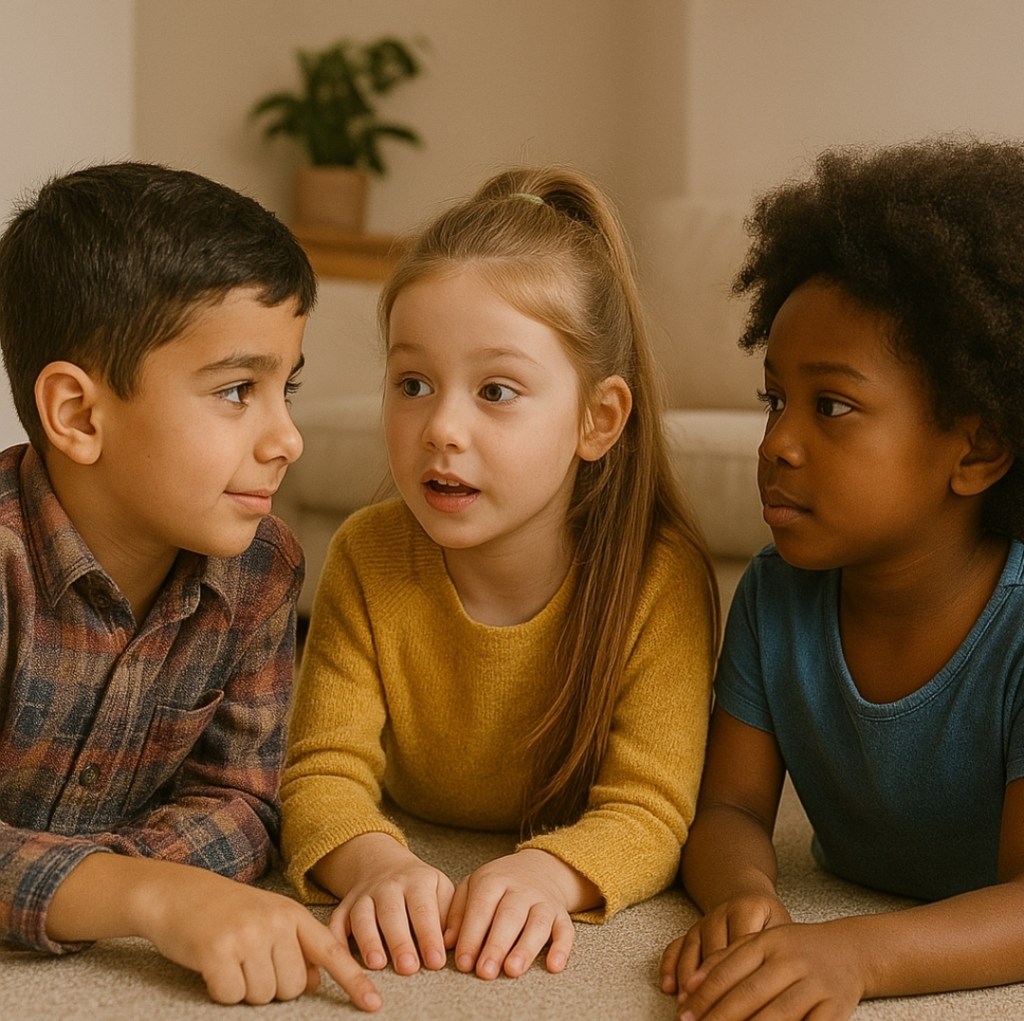
In today’s interconnected world, cultural understanding is no longer a luxury—it’s a necessity. As globalization continues to blur geographic boundaries, the ability to understand, respect, and appreciate different cultures is becoming an essential skill. And like most important life skills, it’s best learned young. But why is it so crucial that children learn about other cultures? What impact does this have on their development, future success, and the world around them?
This blog post explores the significance of cultural education for children, outlining its benefits for social-emotional development, empathy, creativity, and global citizenship. It also provides tips for parents and educators to introduce cultural learning in fun, age-appropriate ways.
—
1. Building Empathy and Compassion
When children are exposed to different cultures early on, they begin to understand that people may think, feel, act, and celebrate differently—and that these differences are not wrong, just diverse. This awareness lays the foundation for empathy, a crucial social-emotional skill.
By learning about other traditions, beliefs, languages, and lifestyles, children start to see the world through different perspectives. This fosters compassion, tolerance, and kindness. A child who knows that not every family celebrates the same holidays or eats the same food is more likely to be inclusive and less likely to judge others for being “different.”
—
2. Fostering Respect and Reducing Prejudice
Ignorance breeds fear and bias. When children don’t learn about other cultures, they may adopt stereotypes or develop prejudices, even unintentionally. However, cultural education breaks down barriers. It teaches children that there is no single “right” way to live.
Understanding how others dress, speak, worship, or organize their families leads to respect rather than ridicule. When children grow up seeing diversity as normal and beautiful, they are less likely to engage in bullying or discrimination.
—
3. Encouraging Curiosity and Openness
Children are naturally curious. Teaching them about other cultures feeds this curiosity in meaningful ways. Learning about ancient traditions, festivals, myths, foods, and games from around the world can be both exciting and educational.
This curiosity often leads to a lifelong openness to learning and new experiences. A child who has explored Japanese tea ceremonies, Mexican Día de los Muertos traditions, or Maasai storytelling might be more willing to try new things, travel, and approach unfamiliar situations with confidence and interest.
—
4. Supporting Language Development and Cognitive Growth
Exploring other cultures often involves exposure to new languages or words. Even learning simple greetings or songs in different languages can improve children’s linguistic skills and cognitive flexibility.
Studies show that children who are bilingual or exposed to multiple languages develop stronger problem-solving and multitasking skills. While full language acquisition may not be the goal, early exposure to other linguistic patterns builds foundational cognitive skills and strengthens memory and attention.
—
5. Preparing for a Globalized Future
Today’s children will grow up to work and live in a world that is more connected than ever. Whether they pursue business, science, arts, or any other field, they will encounter people from diverse backgrounds.
Teaching kids about different cultures equips them with the global awareness needed to collaborate, communicate, and thrive in multicultural environments. It enhances their cultural intelligence (CQ), a growing area of focus for future careers and leadership roles.
—
6. Enhancing Creativity and Imagination
Different cultures bring different ways of thinking, creating, and solving problems. Exposure to international art, music, dance, architecture, and literature inspires children’s imagination and creativity.
They begin to realize that there are many ways to express ideas and tell stories. This enriches their own artistic expressions and helps them develop original thoughts and more innovative thinking.
—
7. Strengthening Identity Through Comparison and Reflection
Interestingly, learning about other cultures can help children better understand their own. When they compare different ways of life, they reflect on their own family’s values, traditions, and heritage. This process strengthens their self-awareness and pride in their identity.
By seeing that every culture has unique aspects, children learn that their own traditions are special—but not superior. This balance of pride and humility is key to healthy identity development.
—
8. Encouraging Friendships Across Cultures
Children who are comfortable with cultural diversity are more likely to make friends from different backgrounds. This opens doors to richer social experiences and more inclusive communities.
Cultural learning helps break down communication barriers, encourages collaboration, and makes children more approachable and open. Diverse friendships also provide continued learning and firsthand exposure to other customs and languages.
—
9. Fostering a Sense of Global Responsibility
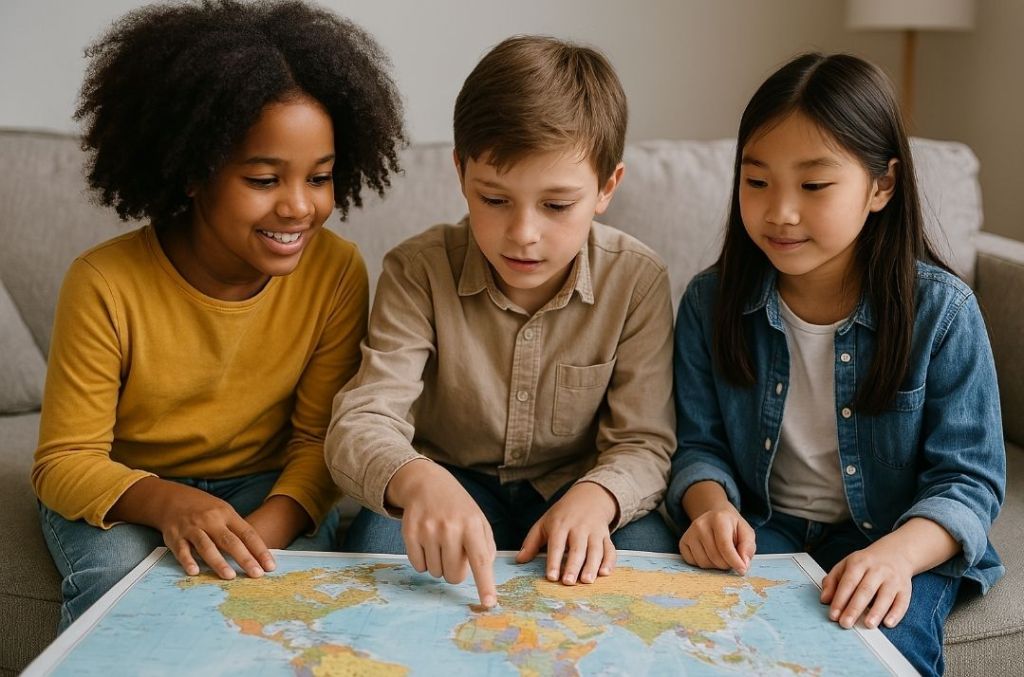
Understanding global cultures helps children develop a sense of responsibility toward the planet and its people. They begin to see that their actions—what they consume, how they treat others, how they care for the environment—have an impact beyond their immediate community.
A child who learns about endangered animals in the Amazon or the effects of climate change on Pacific islands may feel more motivated to protect the Earth and support global causes. Cultural education nurtures future global citizens who are informed, compassionate, and engaged.
—
10. How to Introduce Cultural Learning to Children
You don’t have to travel the world to teach your child about it. Here are a few simple, engaging ways to introduce cultural awareness at home or in the classroom:
Read books from around the world or featuring diverse characters and traditions.
Cook international recipes together and talk about where the ingredients come from.
Celebrate international holidays, even in small ways, to learn about their meaning and customs.
Watch age-appropriate documentaries or cartoons set in different countries.
Play traditional music or games from various cultures.
Learn basic words or phrases in different languages.
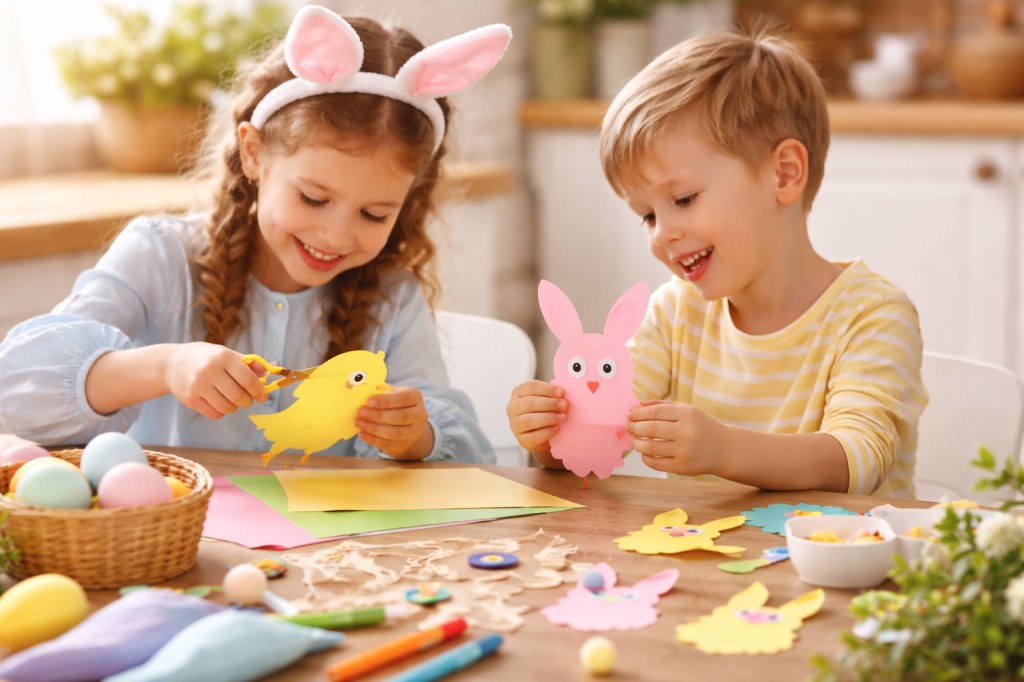
Create cultural crafts inspired by indigenous or traditional art styles.
Attend multicultural festivals or community events when possible.
The key is to keep the experience joyful, respectful, and integrated into everyday life.
—
Final Thoughts
When we teach children about other cultures, we do more than expand their knowledge—we shape their character. We help them become kind, open-minded individuals who respect others, value differences, and seek to understand before judging.
Cultural awareness isn’t about learning everything there is to know about every culture. It’s about planting seeds of curiosity, empathy, and global connection. These seeds, once nurtured, grow into the roots of a more inclusive, peaceful, and united world.
Let’s raise children who are not only smart but wise, not only informed but compassionate, not only successful but socially responsible.
Because the future belongs to those who understand that our world is beautifully diverse—and that’s something to celebrate.







Leave a Reply